

The Unwritten 'Haunted House Rule'
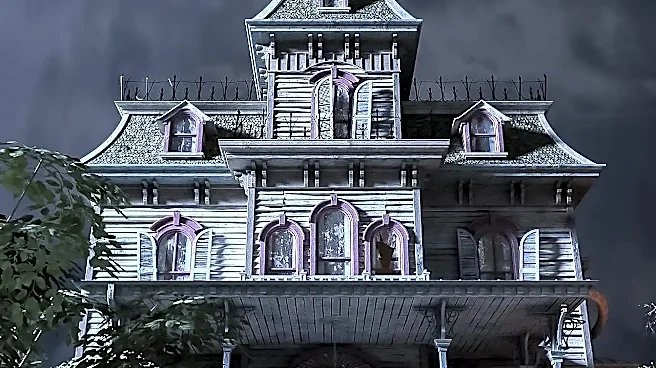
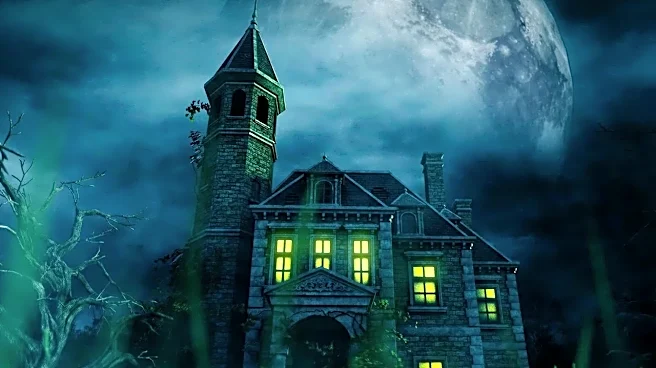
There isn’t an official rulebook, but every fan knows the formula. A family, often skeptical and seeking a fresh start, moves into a house with a dark past. Strange noises give way to fleeting apparitions, a historian conveniently appears with dire warnings,
and it all culminates in a confrontation with a spirit nursing a centuries-old grudge. This narrative structure, rooted in gothic literature, is horror's equivalent of a sitcom's laugh track—a familiar rhythm that assures viewers they know what they’re getting. It’s a blueprint that has powered everything from classic films to modern streaming hits. But in an era of peak TV, where audiences are more sophisticated than ever, this predictability is starting to feel less like a feature and more like a bug.
Familiarity Breeds Contempt, Not Fear
The problem with the haunted house rule is that it has been done to death. When viewers can accurately predict the entire plot within the first fifteen minutes—the jump scare behind the medicine cabinet, the child who befriends a ghost, the third-act exorcism—the story loses its power to genuinely frighten. The tension evaporates. Instead of visceral fear, you get a checklist of tropes being ticked off one by one. While there is a certain nostalgic appeal, it also leads to narrative stagnation. The fall TV season is already packed with new shows vying for attention, and another by-the-numbers ghost story risks getting lost in the noise. True horror lies in the unexpected, and clinging to this rigid formula prevents storytellers from exploring fresher, more terrifying ideas.
Redefining What a 'Haunting' Can Be
Breaking the rule doesn’t mean abandoning haunted houses entirely. It means expanding the definition of what a “haunting” is. The most innovative horror of the last decade has understood this perfectly. A haunting doesn’t have to be a spectral bride in a dusty attic; it can be psychological, technological, or even bureaucratic. Consider shows like Severance, where a corporate office building becomes a prison for the mind—a haunting of the self. Think of how Black Mirror explores the ghosts in our machines, with technology itself becoming the malevolent force. Even series like Hannibal transformed the police procedural into a form of psychological haunting, focusing on the twisted relationship between its two leads. These shows are terrifying because their horror isn't confined to a single location; it follows the characters everywhere, embedded in their lives and minds.
New Ways to Build a Better Scare
Subverting the old rules can lead to more potent scares. Instead of having a family stay in a house long past the point of reason, a show could have them leave immediately, only to find the haunting is not tied to the house, but to them—a premise Insidious toyed with effectively. Rather than a tragic ghost with unfinished business, what if the entity is alien and incomprehensible, as in the works of H.P. Lovecraft? The horror could come from the house's architecture itself, designed to confuse and trap its inhabitants. Fall 2026 has a slate of promising horror, including a prequel series to Friday the 13th and Mike Flanagan's take on Carrie. These show that creators are willing to dig into established lore. Applying that same innovative spirit to the haunted house could yield incredible results, creating horror that feels both new and deeply unsettling.