
The Geometry of the Game
At its core, soccer is a game of space. The team that can create it on offense and deny it on defense usually wins. When a coach yells from the sideline to “get wide,” they’re not just trying to be heard;
they’re issuing a fundamental tactical command. ‘Width’ in soccer simply means using the entire horizontal expanse of the field. Imagine a team where all 11 players are bunched up in the middle third of the pitch. It’s congested, chaotic, and easy to defend. Now, picture two players, one on the far-left touchline and one on the far-right. They have effectively stretched the playing area to its maximum size. This simple act of positioning changes everything. It’s the equivalent of an NFL team sending five wide receivers out, forcing the defense to cover every blade of grass and making their job exponentially harder.
Stretching the Defense to Its Breaking Point
The primary benefit of width is offensive. Think of a defensive line as a chain of four players linked together. If they stay compact, that chain is strong. But when an attacking team places a winger far out on the flank, one of those defenders has to make a choice. Do they abandon their post in the middle to go cover that winger, leaving a massive gap for a striker to run into? Or do they ignore the winger, allowing them to receive the ball with acres of space to dribble, cross, or shoot? There is no good answer. By simply having a player stand wide, an attacking team creates dilemmas. This tactical stretch forces defenders to cover more ground, creates channels between them for midfielders to run through, and isolates full-backs in one-on-one situations against skillful dribblers. It’s not just about getting the ball to the wide player; their mere presence manipulates the entire defensive structure, creating space for others.
A Form of Defensive Security
While it’s an obvious attacking tool, maintaining width is also a surprisingly effective defensive strategy. When your team has possession and is spread wide across the field, it makes it incredibly difficult for the opponent to press effectively. The distances between your players are too large for the opposition to close down everyone at once. This allows for easier, safer passing options to retain possession and build an attack patiently. Furthermore, if you do lose the ball way out on the flank, the opponent is as far away from your goal as possible. This gives your entire team crucial seconds to retreat, get back into its defensive shape, and nullify the counter-attack. A wide shape in possession is a proactive defensive measure, creating a buffer zone that slows the enemy down.
The Modern Masters of Width
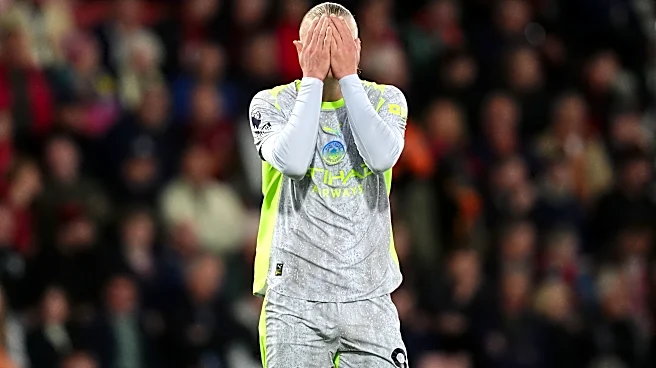
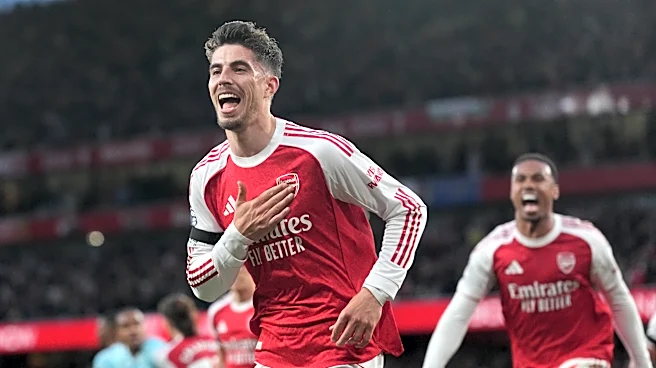
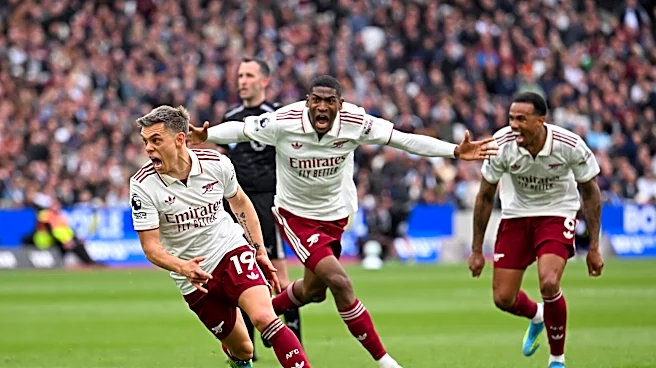
You can see this principle in action every weekend. Watch how teams like Manchester City under Pep Guardiola or Arsenal under Mikel Arteta operate. Their wingers, like Jack Grealish or Bukayo Saka, often spend long periods of a match with their boots practically chalking the sideline. They might not touch the ball for minutes at a time, but their job is to “hold the width”—to pin a defender and stretch the field for players like Kevin De Bruyne or Martin Ødegaard to work their magic in the newly created central space. In contrast, look at players like Vinícius Júnior at Real Madrid. He uses width as a launchpad for devastating one-on-one attacks, isolating a defender before exploding past them. Whether it's to create space for others or for themselves, these elite players demonstrate that occupying the flanks isn't a passive act; it's a strategic occupation of valuable real estate.