
Beyond the Blockbuster Booths
Every October, the Javits Center in Manhattan transforms into the epicenter of pop culture for New York Comic Con. The main floor is a sensory overload of massive, multi-story booths from entertainment
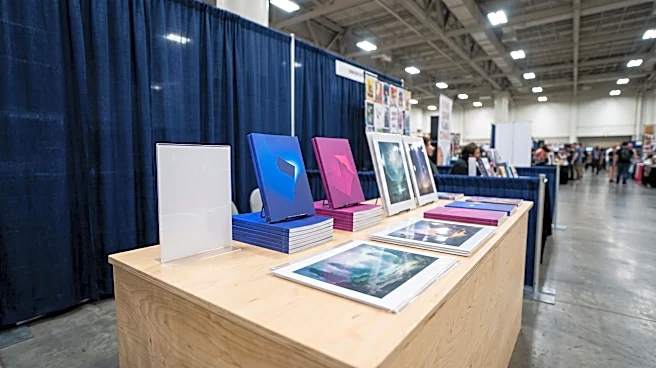
giants. It’s where studios show off their next billion-dollar franchise and major publishers announce their tentpole events. This is the polished, corporate face of fandom. But tucked away, often in a sprawling section known as Artist Alley, lies the convention's creative heart. Here, hundreds of independent creators sit behind simple tables piled high with self-published comics, original prints, and handcrafted merchandise. There are no million-dollar marketing budgets, just creators connecting directly with fans, one conversation at a time. This is where the raw, unfiltered pulse of pop culture can truly be found.
The Unfiltered Laboratory of Pop Culture
Unlike major corporations, which are often risk-averse and tied to established intellectual property, independent creators in Artist Alley are free to experiment. They don't answer to shareholders or marketing departments. This freedom allows them to explore unconventional themes, mash up unexpected genres, and create for highly specific, passionate audiences. While the main floor is busy giving fans more of what they already love, small-press tables are a laboratory for what they could love next. An artist’s unique take on mythology, a writer’s deeply personal graphic novel, or a new aesthetic that feels fresh and exciting—these are the seeds of future trends. This is where storytelling is at its most personal and creatively pure, driven by an artist's vision rather than a market forecast.
Direct Connection and Immediate Feedback
The dynamic at a small-press table is fundamentally different from a corporate activation. Fans get to speak directly to the person who wrote the story or drew the art. This face-to-face interaction is a powerful engine for building a loyal community from the ground up. Creators get immediate, honest feedback on their work, learning in real-time what resonates with readers. A character that gets a strong reaction might be developed further; a concept that sparks enthusiastic conversations may become the basis for a whole new series. This direct feedback loop is something larger companies spend millions trying to replicate through focus groups and data analysis. In Artist Alley, it happens organically, helping to nurture and refine the niche ideas that have the potential for breakout success.
From Zines to the Mainstream
History is filled with examples of cultural phenomena that started small. "Teenage Mutant Ninja Turtles" began as a self-published black-and-white comic, a quirky parody that exploded into a global franchise. Jeff Smith's "Bone" and the Pini's "Elfquest" were also independent creations that found massive audiences by telling unique stories outside the mainstream. The journey from a small table in Artist Alley to a household name is long, but the path is well-trodden. A popular indie comic can get noticed by a larger publisher like Image or Dark Horse, which act as a bridge to wider distribution. As a niche fandom grows, it sends ripples through the industry. What starts as a collection of passionate fans trading zines and prints can eventually attract the attention of Hollywood producers and video game developers looking for the next authentic, creator-driven story to captivate the world.