
It’s Less About the Clothes, More About the Fit
The single biggest differentiator between a sharp creative look and a sloppy one is tailoring. A pair of dark-wash denim jeans can look incredibly professional when they fit perfectly, with a clean hem that just skims the top of the shoe. A casual blazer
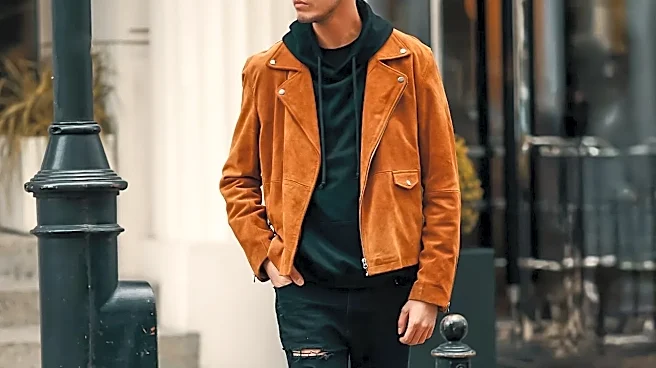
or even a chore coat looks intentional when the shoulders are right and the sleeves end precisely at the wrist. People who get it right understand that even casual pieces look elevated when they appear made for them. They avoid overly tight or baggy clothes, which can read as unprofessional or unkempt, respectively. Before you invest in trendy statement pieces, spend a little extra to have your core basics—trousers, blazers, even simple T-shirts—tailored for a perfect fit. It is the invisible foundation that makes everything else work.
They Master the High-Low Mix
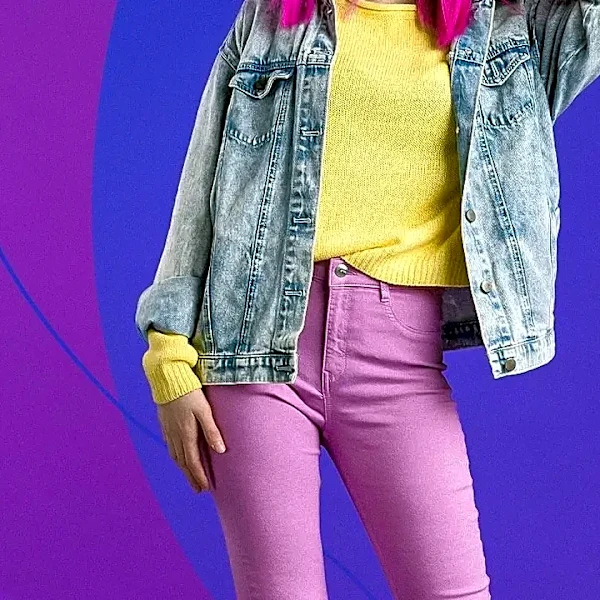
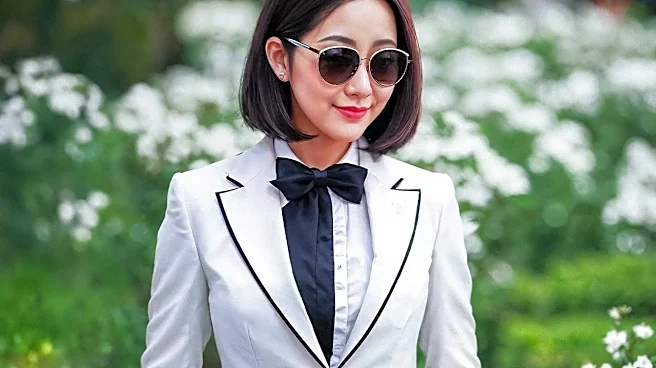
A creative dress code is the perfect playground for mixing high-end and more casual pieces. The key is balance and intention. Think a sharp, tailored blazer thrown over a simple, high-quality band T-shirt, paired with clean trousers and loafers. Or, a beautiful silk blouse tucked into a pair of well-fitting chinos. The strategy is to ground the more expressive or casual item with something undeniably professional. This prevents the outfit from skewing too far toward weekend wear. Someone who gets this right never looks like they just rolled out of bed; they look like they thoughtfully combined different elements of their wardrobe to create a look that is both unique and respectful of the work environment. The 'low' piece is never sloppy—it's just a more relaxed element in an otherwise polished ensemble.
Fabric and Texture Do the Talking
Look closely at the most stylish people in a creative office, and you’ll notice their clothes have a certain richness. This often comes down to fabric. Instead of a standard cotton T-shirt, they might opt for a merino wool or a substantial pima cotton knit. Instead of a basic synthetic sweater, they’ll wear a textured alpaca or a sharp linen blend. Quality fabrics hang better, wrinkle less, and hold their color longer, contributing to an overall impression of polish and care. You don’t need a closet full of expensive clothes, but investing in a few key pieces made from great materials—a cashmere sweater, a silk-blend top, a sturdy pair of wool trousers—can elevate your entire work wardrobe.
Personality Shines Through in the Details
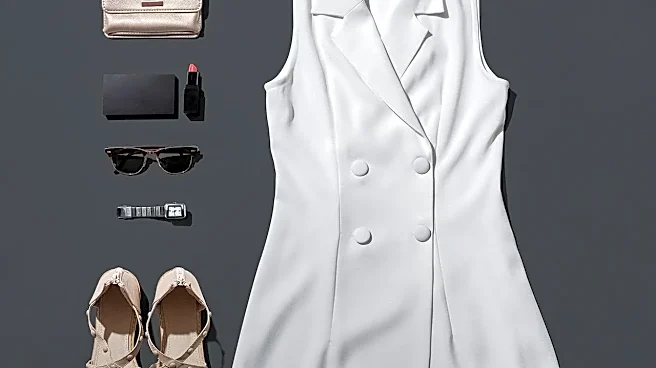
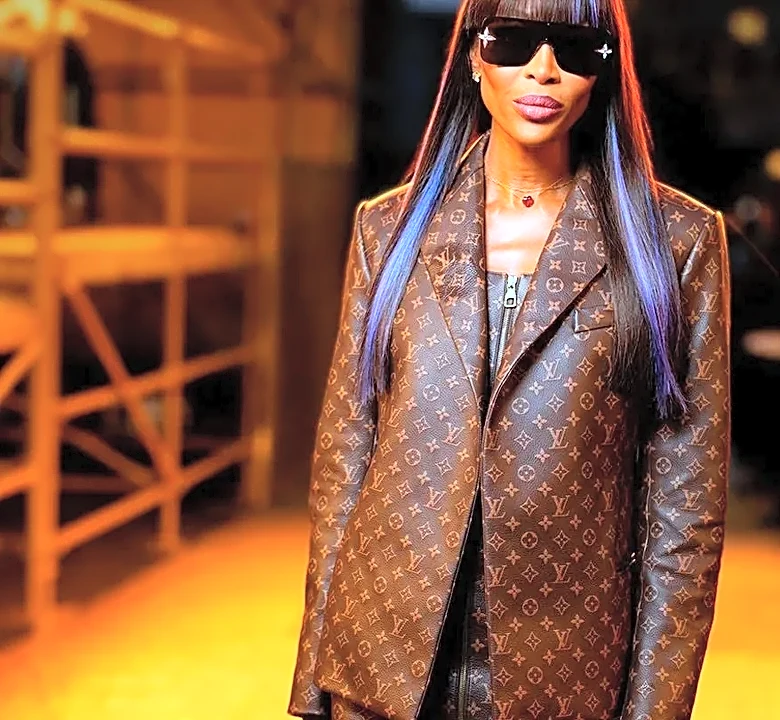
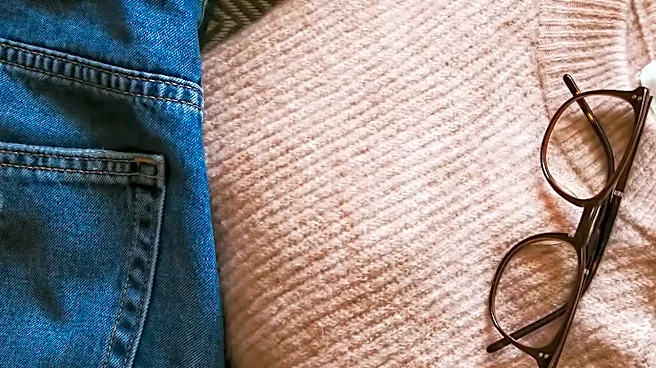
Creative attire is an invitation to show your personality, but not to put on a costume. The most successful dressers do this with carefully chosen accessories. It might be a unique pair of glasses, a vintage watch, a distinctive scarf, or a pair of colorful, high-quality socks peeking out from under tailored trousers. These small touches add interest and individuality without screaming for attention. They avoid loud, distracting slogan tees or overly revealing items that can undermine their professional credibility. The goal is to add a point of view to your outfit, not make your outfit the only thing people notice about you.
They Read the Room—and the Calendar
Perhaps the most crucial skill is context. Those who get it right understand that a creative dress code is not a universal permission slip. They know their work calendar and dress accordingly. The cool, vintage-inspired outfit that works for a regular Tuesday of internal meetings is swapped for something more conservative and sharp on a day with a major client presentation. They observe what senior leadership wears and use that as a general guidepost, ensuring they never look more casual than their boss. This awareness shows good judgment, which is often more valuable than a good outfit. They let the day's demands dictate the level of creativity, proving they understand that dressing for work is ultimately about communicating professionalism.