




The Edna Mode Dilemma
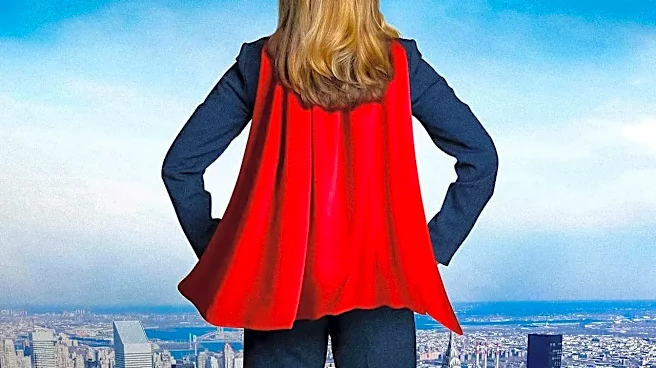
Anyone who has seen Pixar’s “The Incredibles” remembers the passionate tirade from costume designer Edna Mode: “No capes!” Her reasoning was brutally practical, listing a grim history of supers who met their end when their capes got snagged on missiles,
elevators, or, most famously, jet turbines. This fictional rant highlights a very real problem for filmmakers and stunt performers. A long, flowing piece of fabric is a massive liability. It can get caught, create drag, and in a tightly choreographed fight scene, it can easily be grabbed or tangled, posing a genuine risk of injury. In the real world, a simple neck clasp isn't enough to secure a heavy cape, and it creates a dangerous choking hazard if the cape gets caught.
The Hidden Hero: A Shoulder Harness
Enter the unsung hero of the superhero wardrobe: the shoulder harness. Instead of attaching a heavy, multi-layered cape to a flimsy collar, costume designers build a robust harness that is worn underneath the main super-suit. This structure distributes the cape's weight across the actor's shoulders and back, much like a high-end hiking backpack. Cosplayers and costume rental shops have long used this method, with straps that go under the armpits and cross the back or chest. For blockbuster productions, these harnesses are custom-molded to the actor's body, ensuring a secure and comfortable fit that can support even the heaviest of materials. The cape is then attached to this hidden framework, often with strong snaps, magnets, or Velcro, allowing it to be detached quickly for safety or between takes.
Engineering the Perfect Billow
A harness solves the safety and weight problem, but it doesn't make the cape look good on its own. That requires a marriage of practical effects and digital magic. For many shots, especially static or dialogue-driven scenes, the cape is practical. It might be made of a surprisingly lightweight fabric to catch the breeze from a strategically placed wind machine. For more dynamic moments, however, practical capes just can't perform on cue. In modern filmmaking, many of the most dramatic cape moments are partially or fully computer-generated. Visual effects artists create a digital double of the cape, allowing them to animate its every fold and ripple to achieve the perfect heroic billow as a character takes flight or lands dramatically. Zack Snyder's “Man of Steel,” for instance, used CGI to give Superman's cape its own epic, powerful movement that a real piece of fabric never could. Similarly, the cape worn by Homelander in “The Boys” is often CG to control its physics and enhance his intimidating presence.
More Than Just Fabric
Sometimes, the cape is more than just an accessory; it's a character in its own right, which makes a simple harness insufficient. Doctor Strange’s Cloak of Levitation, for example, required extensive CGI to give it personality and have it interact with the world independently. For characters like Batman, the cape serves a utility function, acting as a glider. This effect is achieved through a combination of practical rigs for actors, stunt doubles, and digital replacement to make the transformation from cape to wing seamless and believable. The final on-screen product is often a complex blend of a real actor in a real suit with a practical cape attached to a harness, which is then digitally enhanced or entirely replaced in post-production to create the larger-than-life spectacle audiences expect.