










Beyond Wings and Watery Beer
Let’s be honest: the typical sports bar menu is built for efficiency, not experience. You’ll find fried everything, a dozen indistinguishable IPAs, and maybe a sad plate of nachos. Now, picture this instead: You’re watching Brazil play while sipping a perfect
caipirinha and sharing a plate of pão de queijo from the Brazilian café down the street. Or maybe you’re catching England’s match at a local pub, a proper pint of bitter in hand and the smell of fish and chips in the air. When you watch the game at a neighborhood restaurant, the food and drink aren't just fuel; they are part of the event. It’s an immersive cultural experience that connects you to the action on screen. The menu becomes an extension of the game, turning a 90-minute match into a multisensory celebration.
An Atmosphere of True Passion
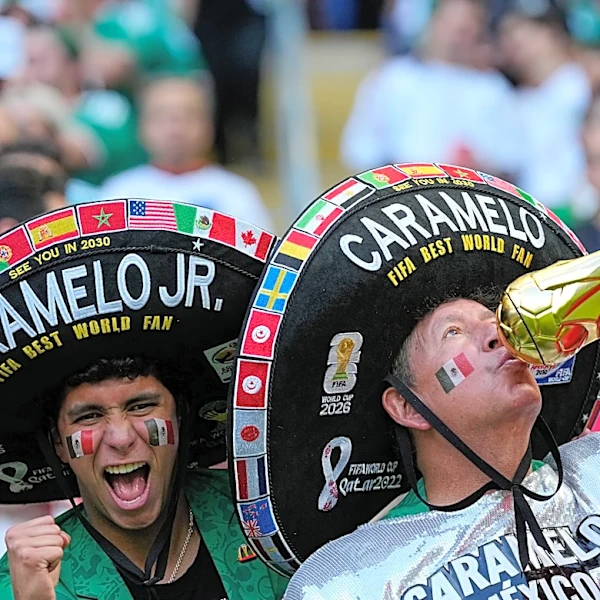
A packed sports bar generates noise. A neighborhood spot generates soul. There’s a distinct difference in the quality of the passion. In a generic bar, the cheers can feel diffuse, spread across fans of different teams and even different sports. At the local Argentine steakhouse during a Copa América match, however, the air crackles with a specific, concentrated energy. Every near-miss elicits a collective gasp. Every goal triggers an eruption of joy that feels personal and deeply shared. The commentary from the crowd is often bilingual, a mix of expert analysis and pure, heartfelt emotion passed down through generations. You’re not just a spectator in a crowd; you’re a temporary member of a community, swept up in a drama that means everything to the people around you.
Community Over Anonymity
The mega-bar experience is transactional and anonymous. You’re one of hundreds, vying for a bartender’s attention. At a neighborhood restaurant, you’re a guest. The owners might know your name, or at least your face. You’re watching the game alongside families, regulars, and neighbors. Kids in tiny jerseys might be running around before kickoff, and grandparents hold court at the best tables. This environment fosters connection over confrontation. Instead of jostling with strangers, you’re sharing a table with newfound friends. This sense of place transforms the viewing experience from a passive consumer activity into an active form of community participation. You're supporting a local business that is, in turn, providing a vital hub for culture and connection.
A More Inclusive Stadium
Let's face it, the testosterone-fueled intensity of some sports bars can be off-putting, especially for casual fans, women, or families. Neighborhood restaurants, by their very nature, tend to be more welcoming and inclusive spaces. The focus is as much on the food and camaraderie as it is on the final score. The vibe is less about proving your fan credentials and more about sharing in a collective experience. This makes it the perfect place to bring a friend who’s new to soccer or to watch with your kids. The high-stakes drama on the screen is balanced by the low-stakes, high-warmth atmosphere of the room. It’s a place where you can learn the chants without feeling judged or simply sit back and soak in the excitement.