






The Ghosts of Tournaments Past
Tournament trauma often begins with a single, heartbreaking loss that becomes a core part of a nation's sporting identity. Take the Netherlands in international soccer. Their 1974 World Cup team, led by the legendary Johan Cruyff, introduced the world
to "Total Football," a revolutionary, fluid style of play. After dazzling the world, they reached the final against West Germany, took a 1-0 lead before any German player had even touched the ball, and then lost 2-1. They lost the next World Cup final in 1978 to Argentina and a third in 2010 to Spain. This history of being the brilliant, beautiful loser creates an invisible weight. Every new generation of Dutch players inherits the narrative: they are innovators and artists, but not winners. Similarly, England's national soccer team has been haunted by penalty shootouts since the 1990 World Cup semifinal loss to West Germany. This initial failure spawned a pattern of shootout losses in major tournaments, creating what many fans and media outlets dubbed a "curse." Studies have shown that a team's history in these high-pressure moments has a real statistical effect; players on teams with prior losses perform worse, almost as if the ghosts of failures past are standing beside them on the field.
The Science of a Collective Choke
So, what is actually happening in the minds and bodies of these elite athletes? The phenomenon is often called "choking," a significant drop in performance under pressure. Psychologists point to two main culprits: distraction and self-focus. Distraction theory suggests that the pressure of the moment—thinking about the consequences of failure—overwhelms an athlete's brain, leaving fewer mental resources to execute the task. Self-focus theory, or "paralysis by analysis," proposes that pressure causes players to overthink skills that are normally automatic. A striker who has scored thousands of goals suddenly starts consciously thinking about the angle of his foot, disrupting the muscle memory honed over a lifetime. This individual anxiety can become contagious. When a team leader or star player shows signs of stress, it can trigger a domino effect, shattering the collective confidence and leading to tentative, fearful play. The team stops playing to win and starts playing not to lose—a subtle but profound shift that often leads directly to the outcome they fear most.
A Nation's Anxious Gaze
Modern media acts as a powerful amplifier for this pressure. The 24/7 news cycle and the constant churn of social media create an echo chamber of anxiety and expectation. For countries with a history of tournament failure, the media often frames upcoming competitions around the potential for another collapse. Headlines question if this will finally be the year, implicitly reminding everyone of all the years it wasn't. This constant narrative scrutiny can have a direct impact on players' mental states. After a loss, the media and public often need a villain, and a player who misses a crucial penalty or makes a key error can become a national scapegoat, as David Beckham famously did after his 1998 World Cup red card. Knowing that public vilification is a possible outcome of failure only adds to the immense psychological burden players carry onto the field.
How Is the Cycle Broken?
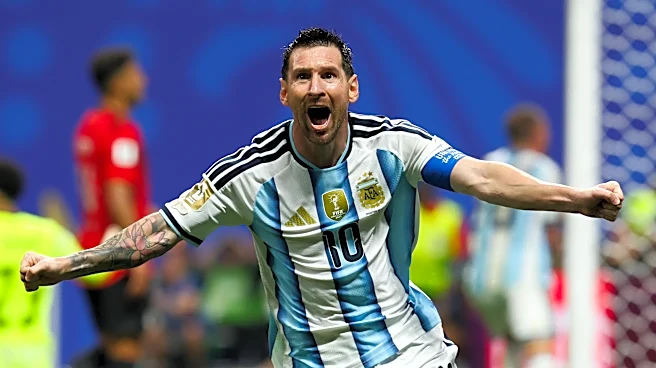
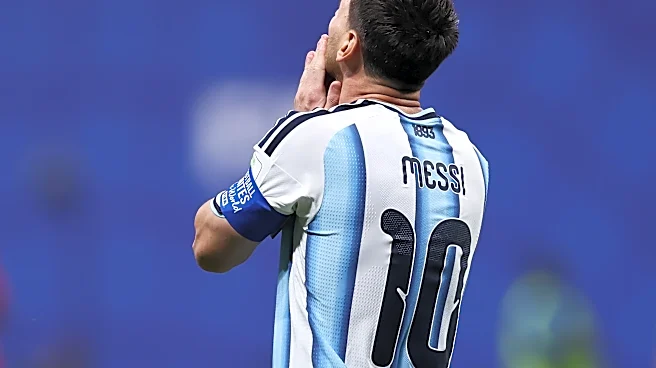
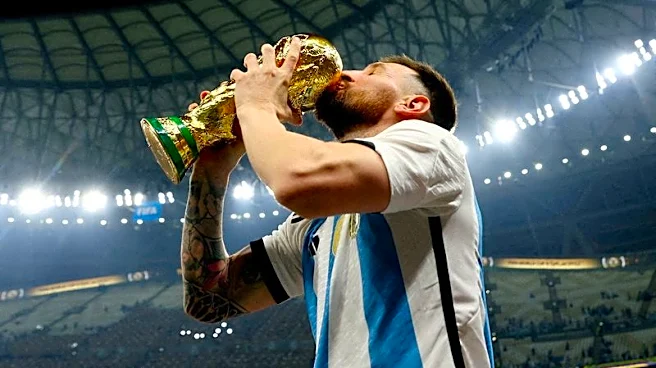
Overcoming this deep-seated trauma isn't easy, but it is possible. It requires a conscious effort to change the narrative. This can involve bringing in sports psychologists to work on mental resilience and coping strategies, like visualization and controlled breathing techniques. England's recent improvement in penalty shootouts under manager Gareth Southgate—himself a victim of the 1996 shootout curse—is a testament to this focused approach. Southgate's staff worked to reframe the shootout as an opportunity, not a dreaded event, practicing them under simulated pressure to build tolerance. Sometimes, it simply takes a generation of players with the right mix of talent and unshakeable self-belief to finally break through. Argentina's victory at the 2022 World Cup, led by Lionel Messi, ended a 36-year drought filled with agonizing defeats. Their triumph wasn't just a win; it was a collective, national exorcism, proving that even the most entrenched tournament trauma can eventually be overcome.