






The Default Choice: New York/New Jersey
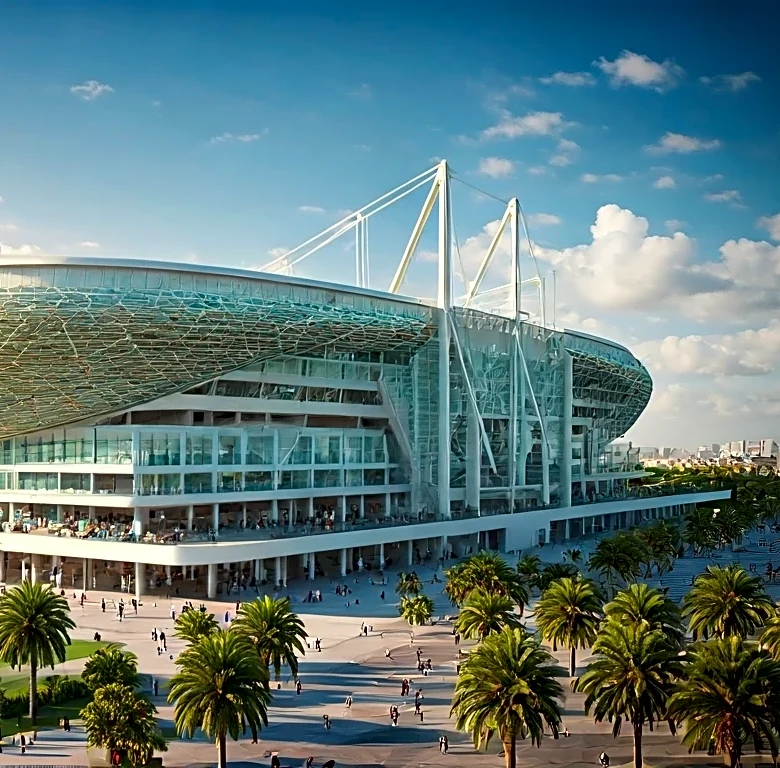
On paper, the honor belongs to New York/New Jersey. MetLife Stadium, temporarily rebranded for FIFA, has the ultimate prize: the World Cup Final on July 19. Hosting the final is like having the last line in a play; it’s what everyone remembers. The narrative
of this venue is one of power and inevitability. It's located in the orbit of the world's media capital, promising a grand stage for the final act. But being the main character isn't just about having the biggest scene. MetLife's story is one of function over form—an NFL stadium in the New Jersey Meadowlands, born from a failed plan for a splashier Manhattan venue, that is being adapted for the global game. It’s the powerful, predictable choice, but does that create a compelling protagonist?
The Sentimental Hero: Mexico City
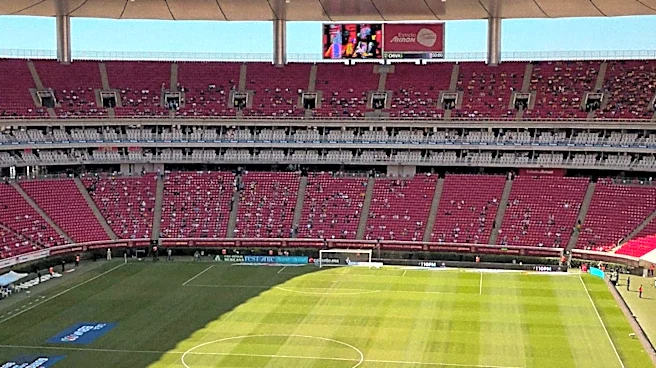
If New York is the heir apparent, Mexico City’s Estadio Azteca is the beloved legacy hero. The only stadium to host three World Cups, its story is steeped in history and emotion. It’s where Pelé’s Brazil and Maradona’s Argentina cemented their legends. This year, it gave the tournament its opening chapter and hosted a series of incredibly passionate matches. The recent Round of 16 thriller between Mexico and England, a 3-2 heartbreaker for the hosts, was a perfect example of the Azteca's magic—a deafening, high-altitude fortress that pushes teams to their absolute limit. Even in defeat, the stadium produced what many called an instant classic, a chaotic, vibrant, and unforgettable night. The Azteca is not just a venue; it's a living, breathing character with a soul forged by decades of football drama.
The Breakout Stars: Vancouver and Seattle
Sometimes the main character isn't the one you expect. While the giants of New York and Mexico City command attention, a different narrative has emerged from the Pacific Northwest. According to multiple fan experience studies, Vancouver and Seattle have been the surprise hits of the tournament. Vancouver, in particular, has been ranked as the best overall host city for traveling supporters, thanks to its walkability, vibrant atmosphere, and efficient public transport. Seattle isn't far behind, generating significant online buzz and praise for its convenience and passionate crowds. In a tournament defined by vast distances, these cities have become main characters of a different sort—protagonists of the fan journey, proving that the best experience isn't always in the biggest market.
The True Protagonist Is the Chaos
After weighing the options, a different conclusion emerges: the true main character of the 2026 World Cup is the sprawling, complicated, and utterly chaotic format itself. This is the first 48-team, three-nation tournament, a beast of unprecedented scale. The storylines are not contained to a single city but are scattered across a continent. We've seen a historic number of African nations reach the knockout stages, enriching the tournament's narrative. We've witnessed a political controversy erupt over a red card decision involving the U.S. team, showing how off-field drama can hijack the spotlight. And we’ve watched powerhouse teams like Mexico get knocked out in epic battles that define the World Cup's cruel beauty. The main character isn't a place, but the unprecedented and unpredictable nature of the event itself.