





The Art of Subtraction
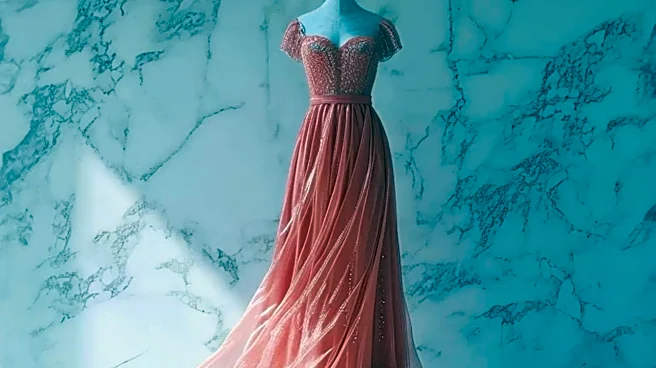
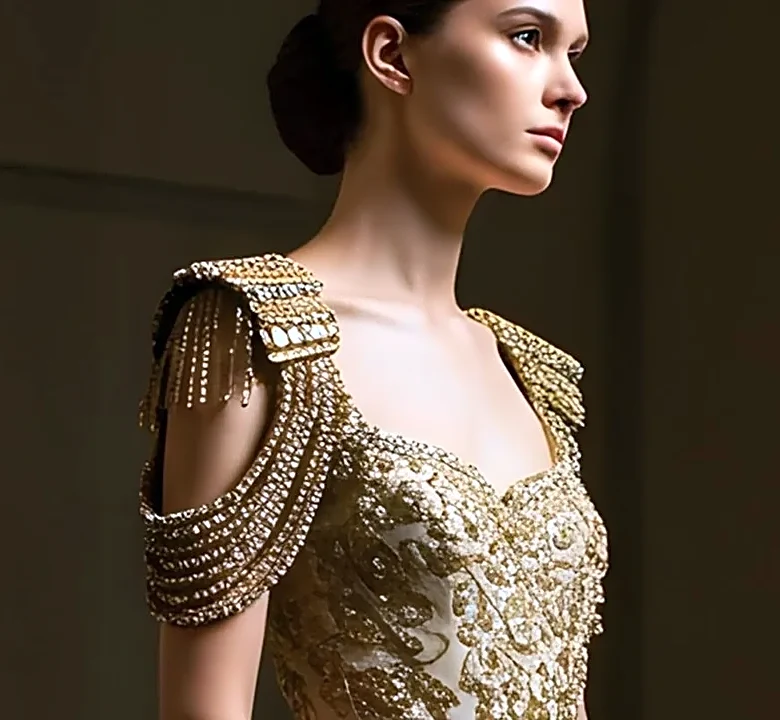
A dramatic, highly embellished dress has a built-in advantage: distraction. Layers of tulle, intricate beadwork, or a riot of pattern can mask minor imperfections in construction or fit. They create so much visual noise that the eye doesn't settle on any
single element for long. A simple dress, however, has nowhere to hide. As French fashion legend Coco Chanel famously put it, "Simplicity is the keynote of all true elegance." When you strip away the ornamentation, you are left with only the most fundamental elements: the line, the silhouette, and the form. Every seam, every dart, and every edge is exposed. A designer achieving perfection in a minimalist piece isn't focused on what more they can add, but on what they can take away until only the necessary remains. This reductionist approach demands an extraordinary level of precision, because any mistake, no matter how small, becomes a focal point.
Fabric and Cut Reign Supreme
When a dress is simple, the material becomes the main event. A designer can't hide behind flashy details, so the quality of the fabric—its weight, texture, and especially its drape—is paramount. Think of a silk slip dress; its entire beauty lies in how the fabric moves and interacts with light and the body. This is why designers of minimalist fashion gravitate toward high-quality natural fibers like silk, linen, and fine wools. These materials possess an inherent character that a simple design allows to shine. The cut is the other half of this equation. The success of a simple dress hinges on technical mastery of how fabric behaves. The precise angle of a bias cut, for example, is what allows a dress to skim the body gracefully rather than clinging awkwardly. A few centimeters can alter the entire character of a garment, changing a shoulder line from sharp to sloppy or a hemline from intentional to accidental. This is fashion as architecture, where the garment's structure is the design.
The Wearer Becomes the Statement
An ornate dress often wears the person, but a simple dress does the opposite. By removing visual clutter, the focus shifts entirely to the woman in it. As Yves Saint Laurent once noted, "Over the years I have learned that what is important in a dress is the woman who is wearing it." A simple garment acts as a canvas for the wearer's own style, confidence, and personality. It doesn't scream for attention, which creates a sense of quiet confidence. This also means the fit has to be impeccable. While a voluminous gown can be forgiving, a minimalist sheath or column dress must fit perfectly to work. This often requires a deeper understanding of proportion and tailoring, not just for a generic mannequin, but for the nuances of an individual's body.
The Fine Line Between Simple and Boring
Perhaps the greatest challenge is navigating the razor-thin margin between minimalist and just plain boring. A simple dress that succeeds feels intentional, sophisticated, and complete. A simple dress that fails feels unfinished or like something is missing. The difference often comes down to those subtle, almost invisible details. It might be the unexpected curve of a neckline, a perfectly executed inverted pleat, or the sculptural volume of a sleeve. These elements provide interest without veering into decoration. They demonstrate a disciplined design philosophy where every choice is deliberate. In a world saturated with visual noise and fast-fashion trends, a perfectly realized simple dress offers a sense of calm and permanence. It’s a testament to the idea that true style doesn't shout; it whispers.