




The Mistake: An Unforgiving Shine
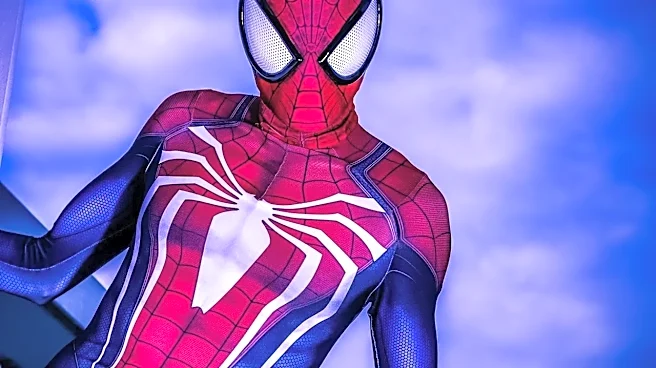
The single biggest mistake that makes a brilliant cosplay difficult to photograph is the choice of fabric. Specifically, materials that are either extremely shiny or pure, deep black. On the convention floor, with its chaotic mix of fluorescent overheads
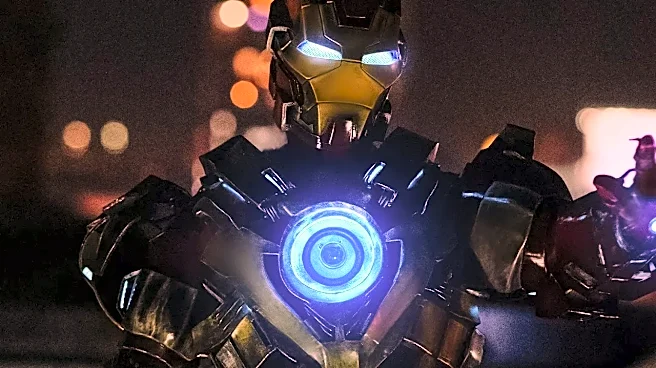
and countless camera flashes, these materials wage war on a camera's sensor. Ultra-shiny fabrics, like certain vinyls, patents, and untextured satins, act like mirrors. When a flash hits them, the light bounces directly back into the lens, creating massive, blown-out white spots called specular highlights. This obliterates all the beautiful seam work, paneling, and detail you worked so hard on. The camera, trying to expose for this intense brightness, will often plunge the rest of the photo—including your face—into darkness. The result is a picture where the costume is an unrecognizable glare and the cosplayer is a silhouette.
The Other Extreme: The Black Hole
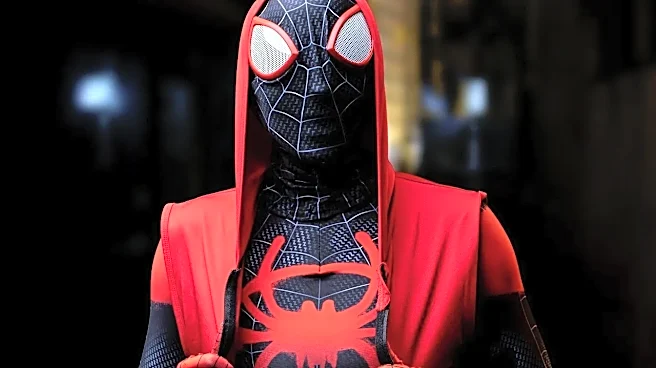
On the opposite end of the spectrum are costumes made of flat, textureless black fabric. Think of characters like Batman or Venom. While visually striking in person, these costumes can become a “black hole” for cameras. In the often dim and uneven lighting of a convention hall, cameras struggle to find any detail in large swathes of pure black. All the subtle texturing, armor plates, or fabric folds that are visible to the naked eye get crushed into a single, flat shape in a photograph. The autofocus on a camera might even struggle to find a point of contrast to lock onto, resulting in a soft or blurry image. Without careful, professional lighting—a luxury few have on the con floor—the nuance of your dark and menacing character is completely lost.
Camera-Proofing Your Creation
The solution isn’t to abandon these character designs, but to think like a photographer during your creation process. If you must use a shiny material, try to break up its surface. Weathering is your best friend. A light dusting of matte spray, a dry brushing of acrylic paint, or even a bit of well-placed dirt and grime can knock back the shine just enough for a camera to handle it. For black costumes, focus on mixing textures. Use a combination of matte black fabrics, faux leather with a slight sheen, and even dark grey elements to create visual separation. These different textures will catch the light in unique ways, allowing the camera to register the details. Before you finalize your materials, test them. Take a scrap of fabric and hit it with your phone’s flash in a dark room. Does it create a blinding glare? Does it disappear completely? This simple test can save you a world of photographic frustration.
Beyond Fabric: Posing and Props
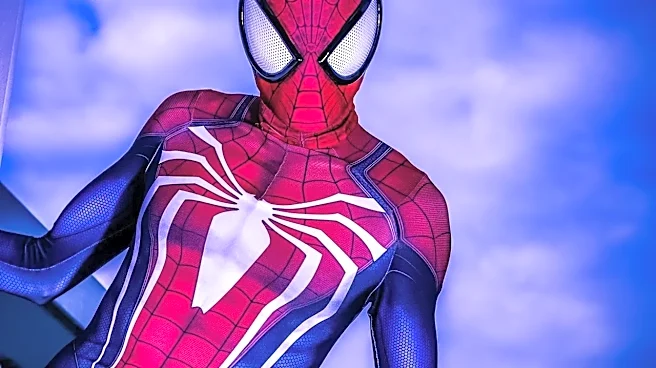
While fabric is a major hurdle, your pose can also make or break a photo. A common issue is inadvertently hiding your own face or the costume's best details with a large prop. When a photographer asks for a picture, be mindful of where you’re holding that giant sword or shield. Angle it slightly away from the camera to avoid foreshortening, which can make a prop look flat and distorted. Likewise, don't be afraid to move! Static, straight-on poses can look stiff. Creating angles and triangles with your body—bending a knee, placing a hand on your hip, tilting your head—makes for a more dynamic and visually interesting shot. It breaks up your silhouette and helps define the form of your costume, especially if it’s a single dark color.