
The Primal Urge to 'Prove It'
Let’s be honest: the impulse to film a concert is completely natural. In our hyper-documented world, there's a deep-seated feeling that if you didn't capture an experience, it didn't really happen. It’s about more than just personal memory; it’s about social
currency. Posting a clip is a way of saying, “I was here,” sharing a moment of joy, and creating a digital time capsule you can revisit. That shaky footage is your virtual ticket stub, proof that you were part of the magic. This desire isn't just vanity. Psychologists note that we intentionally take photos and videos to help our future selves remember and feel nostalgic. So, the instinct to hit 'record' when your favorite artist takes the stage isn't wrong, but it might be misguided if your goal is a high-quality memento.
Your Phone Can’t Handle the Magic
Here's the hard truth: your smartphone is not a professional recording device. The microphone in your pocket is designed to capture your voice from a foot away, not the sonic force of a full band in an arena or theater. The result is almost always a distorted, blown-out mess where the bass crackles and the vocals are lost in a wall of noise. This audio issue is known as “clipping,” and it happens when the volume is too high for the microphone to handle. The same goes for the video. Unless you’re in the front row, you’re likely filming a shaky, pixelated version of a distant stage, often obscured by other phones and heads. You’ll spend the whole song trying to keep the shot steady, only to end up with a recording that’s essentially unwatchable and, more importantly, un-listenable. You’re trying to bottle lightning with a leaky jar.
The Art of the Perfect Snippet
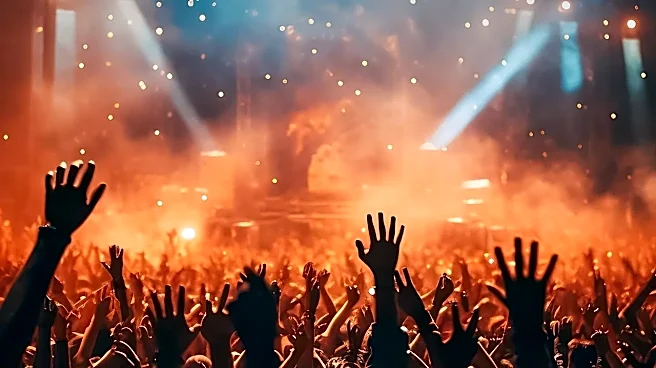
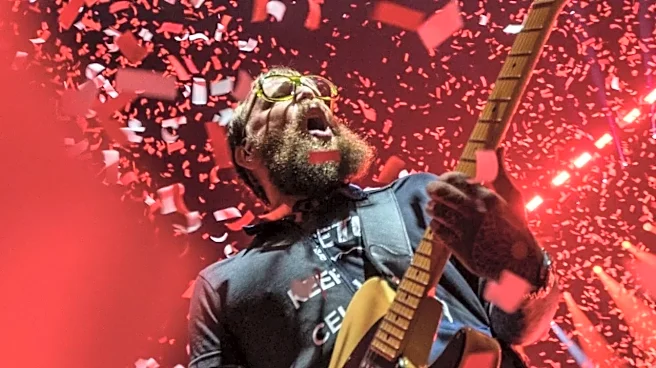
Instead of a flawed three-minute video you’ll never watch again, consider the power of a 15-second clip. This is the sweet spot. A short clip is a digital postcard, not a feature film. It’s just long enough to capture the essence of the moment: the iconic guitar solo, the crowd singing along to the chorus, the explosion of confetti. This snippet is perfect for sharing on social media, sending to a friend, or triggering your own, more powerful memory of the event later. Research suggests that by focusing on taking a photo or short video, you can actually increase your engagement and enjoyment in that moment. The goal isn't to create a perfect bootleg; it's to capture a feeling. A short, well-chosen clip does that far more effectively than a long, distorted one.
Be a Better Audience Neighbor
Filming affects more than just your own experience. At a venue like an Austin City Limits taping—where the focus is on the music and the television production—a bright phone screen is a major distraction. For the people behind you, your phone is an obstruction that forces them to watch the show through your tiny, glowing screen instead of seeing the stage with their own eyes. Many artists and venues are pushing back, with some even enforcing no-phone policies to bring the focus back to the shared, live experience. Choosing to film only a brief moment is an act of consideration. It allows you to get your digital souvenir without pulling you, or anyone else, out of the collective energy that makes live music so special. By putting your phone away, you're voting for a better concert environment for everyone.