

Forget the Last Antihero
For two decades, prestige TV was built on the back of the complicated man: Tony Soprano, Don Draper, Walter White. They were charismatic, brilliant, and broken—and audiences loved to watch them burn their worlds down. But that archetype is now a well-worn
trope. The brooding, morally gray patriarch who hurts everyone he loves has been explored from every angle. The challenge for Fall 2026 is to find a new center of gravity. Instead of another powerful man’s crisis of conscience, a true dynasty series could be built around a different kind of protagonist. Imagine a brilliant scientist grappling with the ethics of her creation, a political activist navigating a corrupt system with unwilling hands, or even a collective protagonist—a family or a team where the 'hero' is the group itself. The future isn't about finding the next Don Draper; it's about creating a character so original they defy comparison.
Build a World People Want to Live In
What do the boardrooms of Waystar Royco, the mythical lands of Westeros, and the 1960s ad agencies of Madison Avenue have in common? They are more than settings; they are immersive worlds with their own rules, languages, and cultures. A dynasty show invites obsession. Viewers don't just follow the plot; they learn the family trees, debate the corporate power structures, and adopt the characters' slang. The shows that succeed in 2026 will be those that offer a rich, textured universe that extends beyond the screen. In an era of constant distraction and endless content, creating a world this detailed is a huge gamble. But it's the only way to earn the deep, sustained engagement that separates a hit from a cultural phenomenon. The goal shouldn't be just to tell a story, but to build a world so compelling that audiences feel like they have a stake in it.
The Bench is the Real Star
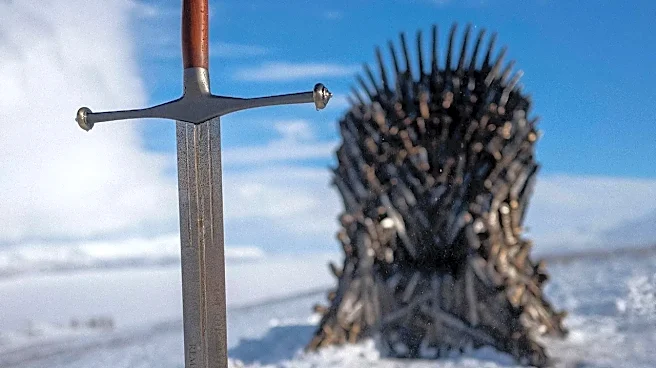
While a compelling lead is crucial, true dynasty shows are defined by the strength of their supporting cast. Think of the sprawling ensemble of The Sopranos or the intricate web of allies and enemies in Game of Thrones. These weren't just side characters; they were fully realized people with their own ambitions, fears, and story arcs. A weak supporting cast reveals a show's lack of confidence in its own world. A great one proves the story is bigger than any single character. The next great TV dynasty will treat every character like they could be the star of their own show. From the overlooked middle child in a powerful family to the loyal but conflicted advisor, these are the characters who create the texture and emotional depth that keep viewers coming back season after season. They make the world feel real, populated, and unpredictable.
Find a Timeless Theme in a Specific Place
The original Dynasty in the 1980s used the world of Denver oil tycoons to explore themes of greed, betrayal, and glamour. Mad Men used a 1960s ad agency to dissect identity, capitalism, and the American Dream. Succession used a media empire to hold a mirror to contemporary wealth, power, and familial dysfunction. The key is specificity. By rooting a story in a meticulously detailed, niche world, creators can explore universal human truths without resorting to clichés. The 2026 TV landscape is crowded, with AI-generated content and creator-led projects flooding every platform. To cut through the noise, a show needs a unique perspective. Whether it’s set in the competitive world of professional esports, a remote research station in the Arctic, or a family-run restaurant on the brink of change, the most powerful stories will use a unique setting to ask timeless questions about what it means to be human.