





A Kingdom Under Pressure
Not long ago, Disney was the undisputed king of the box office, consistently releasing billion-dollar hits. While it still topped the global charts in 2025 with $6.58 billion, the ground is shifting. Rivals are closing in, and internal pressures are mounting.
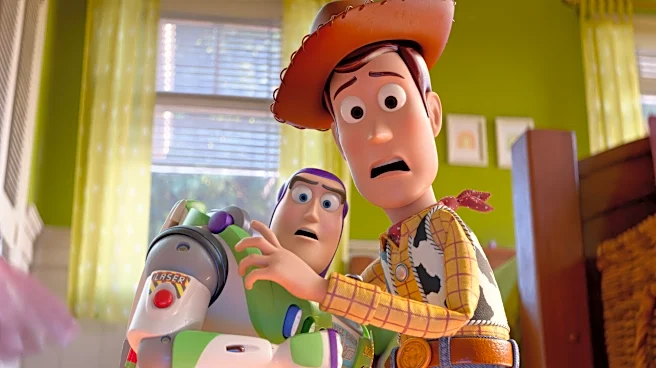
The company has been navigating a post-pandemic audience that is more selective, while also working to make its streaming service, Disney+, profitable. This has led to a quality-over-quantity approach, where the studio focuses its massive budgets on what it sees as surefire bets. Upcoming tentpoles like Avengers: Doomsday and Toy Story 5 aren't just movies; they are strategic assets designed to anchor a multi-billion dollar ecosystem of merchandise, theme park attractions, and streaming content. The strategy is clear: in uncertain times, lean on the characters and worlds that audiences already know and love.
Universal and Warner's Winning Plays
While Disney fortifies its castle, its rivals have been successfully building their own empires. Universal has struck gold by diversifying its portfolio. Its partnership with animation studio Illumination has produced massive hits from the Despicable Me and Minions franchise. Furthermore, Universal has cultivated other successful franchises like Jurassic World and Fast & Furious and has seen success turning video game properties like The Super Mario Bros. Movie into major cinematic events. Warner Bros. Discovery has also found its footing by leveraging its vast library of intellectual property (IP). After the phenomenal success of Barbie, the studio is leaning into its iconic brands, from DC Comics to Harry Potter, exploring new ways to extend these worlds, including ventures in gaming and unscripted television. Both studios proved that a well-managed IP can deliver Disney-level numbers, intensifying the competitive pressure.
Disney's Counter-Attack: The IP Flywheel
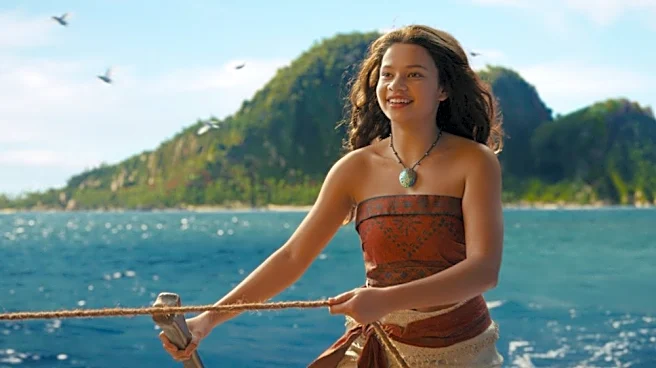
Faced with this mounting competition, Disney is doubling down on its core strength: its unparalleled collection of beloved IP. The company's strategy is a flywheel in action. A successful theatrical release like Zootopia 2 or Moana 2 doesn't just earn box office revenue; it drives millions of streams on Disney+, inspires new theme park attractions, and sells merchandise for years to come. The upcoming slate is a testament to this, packed with sequels like Frozen 3, live-action remakes such as Moana, and Disney+ series spin-offs like The Mandalorian & Grogu getting their own feature films. Each project is designed to reinforce the others, keeping fans engaged and invested in the Disney ecosystem across every platform.
The Risk of Playing It Safe
However, this reliance on established properties is not without risk. The term "franchise fatigue" has become a major talking point as audiences have, at times, shown disinterest in seeing the same stories retold. While Toy Story 5 is a box office smash, not every nostalgic play is a guaranteed success. Some of the recent franchise entries from various studios have seen diminishing returns or outright underperformance, suggesting that familiarity alone isn't enough. The challenge for Disney is to make these familiar stories feel fresh and essential. The success of this strategy depends on convincing audiences that there's a compelling reason to return to these worlds, rather than just a commercial one. For every massive success like Top Gun: Maverick for Paramount, there's a risk of a sequel that fails to capture the magic of the original.