







A Uniform for the Unaffiliated
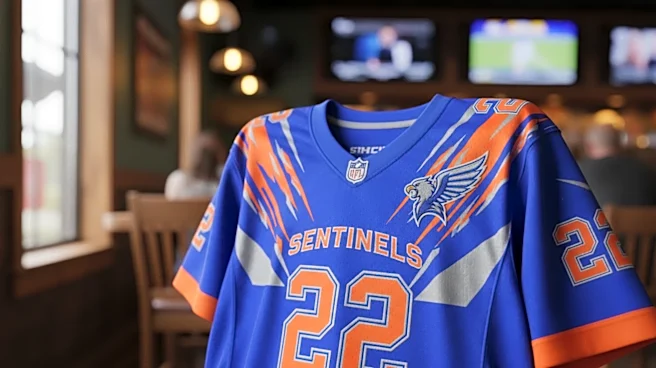
First, let's call it what it is: a jersey, a cap, even a well-worn t-shirt is a type of uniform. On the field, uniforms distinguish one team from another. Off the field, they do something similar, but for us. They are a declaration of identity. Before
you even say a word, you’ve told the world something about yourself: where you’re from, what you value, and what kind of heartbreak or glory you’re likely to be celebrating on any given Sunday. It’s a piece of visual storytelling, broadcasting a part of your personality without the need for small talk.
The Instant In-Group
There's a concept in psychology called social identity theory, which basically says we derive a sense of self from the groups we belong to. When you wear a team logo, you’re sending up a flare, signaling your membership in a massive, passionate group. For another fan, seeing your gear is an instant signal of an 'in-group' connection. This immediately lowers social barriers. They know you share a common language, a common history, and a common emotional investment. It creates a foundation of trust and camaraderie between complete strangers, all based on a shared allegiance.
A Pre-Approved Topic of Conversation
One of the hardest parts of talking to someone new is finding that initial foothold. Do you talk about the weather? Work? The awkwardness can be palpable. A jersey is a cheat code for this social dilemma. It hands both parties a safe, pre-approved, and genuinely interesting topic to discuss. A simple "Tough loss last night, huh?" or "Did you see that catch?" can ignite a full-blown conversation. It’s a low-stakes opening that allows people to connect over a shared passion, bypassing the usual conversational hurdles.
Broadcasting a Shared History
That faded logo on your cap isn't just about the current season; it's an emotional anchor that represents years, or even decades, of shared experiences. It represents the miracle wins, the soul-crushing defeats, the legendary players, and the moments you shared with friends and family. When someone else recognizes that, they're not just seeing a piece of clothing; they're seeing a shared history. A conversation might start about last night's game, but it can quickly evolve into reminiscing about a championship from ten years ago, creating a much deeper and more meaningful connection. This sense of shared experience is a powerful social glue.
Even Rivals Can Connect
Here’s the counterintuitive part: wearing team gear can even help you connect with rivals. While the tone is different, the mechanism is the same. Seeing a rival jersey is an invitation for a very specific type of social interaction: friendly trash talk. The banter and teasing that follow are a form of social bonding in themselves. It’s a playful acknowledgment of a shared passion, even if you’re on opposite sides. This ritualized conflict confirms that you both care deeply about the same thing, which is a powerful starting point for connection, proving that a shared love for the game can often transcend individual team loyalty.