




A Shared Stage
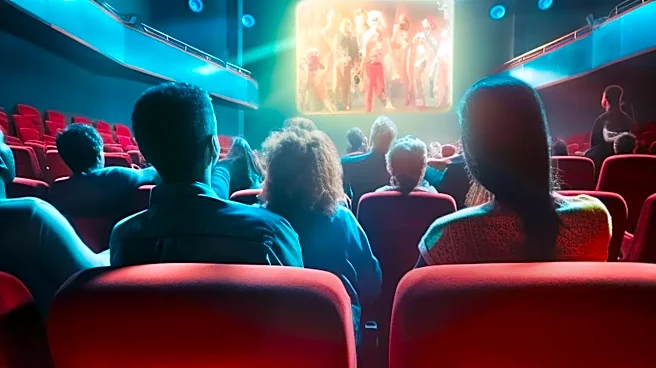
From the very beginning, London’s film and theatre worlds were built on top of each other. In the late 19th and early 20th centuries, as the moving picture industry flickered to life, London’s West End was already a global powerhouse of theatrical production.
The city's geography meant that the same pool of talent—actors, directors, and crucially, designers and artisans—served both mediums. It wasn't a matter of one industry influencing another from afar; they grew up together, sharing the same DNA. Early filmmakers had no established costume departments and often relied on actors to bring their own clothes. When that wasn't enough, they turned to the only places equipped for the job: the established theatrical costume houses that were already servicing the bustling West End.
The Rise of the Costume Houses
Long before studios had their own wardrobe departments, companies like Morris Angel & Son (founded 1840) and Bermans (founded 1884) were outfitting London's stage actors. These businesses started as second-hand clothing shops but quickly pivoted to renting outfits when actors needed costumes they couldn't afford to buy. When film came along, it was a natural and lucrative extension of their business. Angels supplied costumes for its first film in 1913 and went on to provide wardrobe for dozens of Oscar-winning movies, including 'Hamlet' (1948), 'Star Wars', and 'The Grand Budapest Hotel'. These companies became vast libraries of clothing, holding millions of items on miles of rails, accessible to both stage and screen productions. It was simply more practical and cost-effective for a film production to rent a warehouse of historically accurate uniforms or Victorian dresses than to create them from scratch.
The Theatrical Training Ground
For much of the 20th century, the primary training ground for costume designers was the theatre. Aspiring designers learned their craft by creating durable, expressive garments that could withstand the rigors of nightly performances and be seen clearly from the back row. They developed a deep knowledge of historical patterns, fabrics, and construction techniques. When these designers transitioned to film, they brought that theatrical sensibility with them. People like John Bright, founder of the renowned costume house Cosprop, started in theatre and applied that expertise to create iconic film costumes for productions like 'A Room with a View' and 'Downton Abbey'. This created a distinct aesthetic, blending theatrical flair with cinematic realism, that became a hallmark of British film.
An Enduring Legacy
The tradition continues today, though the relationship has evolved. While major film studios now have vast resources, the economics of renting often still make more sense, especially for large-scale period productions. London's costume houses remain essential hubs for designers across film, television, and theatre. Many of today's top designers, like Katrina Lindsay ('Harry Potter and the Cursed Child', 'The Lehman Trilogy') and Frankie Bradshaw ('Blues for an Alabama Sky'), continue to work across both mediums, cross-pollinating ideas and techniques. This constant exchange ensures that the skills honed in the theatre—attention to character, historical accuracy, and pure craftsmanship—are not lost. It's a symbiotic relationship that has dressed some of the most memorable characters on screen, from James Bond to the cast of 'The Crown'.