


The Art of the Empty Chair
In filmmaking, negative space is the area around and between the subjects of an image. Think of it as the visual equivalent of a dramatic pause. While most shows keep the frame tight on the action, “Only Murders” deliberately does the opposite. Cinematographers
Chris Teague and Kyle Wullschleger often place characters on one side of a wide shot, leaving the other half of the frame conspicuously empty. An unoccupied chair at a table, a vacant doorway, or a stretch of beautifully wallpapered Arconia hallway will sit in the frame, drawing the eye and creating a sense of presence in the absence. This isn't just stylish framing; it’s a narrative device. The show’s creators, including John Hoffman, have crafted a visual language that consistently makes room for someone who isn't there.
Form Follows Function: The Podcast Audience
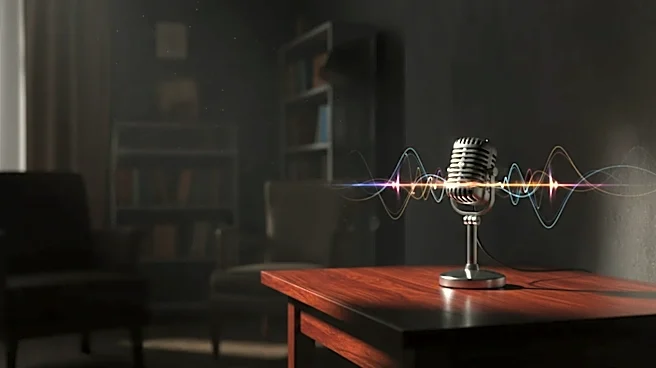
The entire premise of the series revolves around three neighbors creating a true-crime podcast for an audience they can't see. That empty space in the frame becomes the seat for that listener. When Charles, Oliver, and Mabel are recording in a closet or hashing out theories in Mabel’s apartment, the camera often pulls back, creating a proscenium arch. We aren't just watching them; we are positioned as the podcast’s audience, leaning in from the next apartment over. The show's visual grammar mirrors its central theme. It’s a meta-commentary on the very nature of podcasting—an intimate yet disembodied relationship between host and listener. The series even has its own official companion podcast to further blur these lines. This technique makes the audience a character, as vital to the story as the central trio.
A Visual Echo of Loneliness
The use of negative space also deepens the show’s emotional texture, reflecting the profound loneliness of its main characters. Before they found each other, Charles-Haden Savage (Steve Martin) was a reclusive, semi-retired actor, Oliver Putnam (Martin Short) was a theatrical director desperate for an audience, and Mabel Mora (Selena Gomez) was a young artist adrift in a vast, unfinished apartment. Their individual apartments, meticulously crafted by the show's production designers, are extensions of their personalities and their isolation. The visual voids in the frame aren’t just for the podcast listener; they represent the empty spaces in the characters' own lives. They are haunted by past failures, lost relationships, and a yearning for connection that predates their podcasting adventures. The negative space is a visual metaphor for what’s missing.
Implicating the Viewer
Ultimately, the most clever part of this technique is how it implicates us, the viewers of the television show. By framing shots with so much breathing room, the show invites us to fill the void. We become the unseen listener, the nosy neighbor, another resident of the Arconia trying to piece together the clues. The show’s visual style often draws inspiration from classic mystery films like Alfred Hitchcock's “Rear Window,” which is all about the act of watching. In one notable episode, “The Boy From 6B,” the story is told almost entirely from the perspective of a deaf character, Theo, forcing the audience into a different mode of observation and reminding us that everyone in the building is watching. The negative space is our entry point, transforming passive viewing into active participation. We’re not just watching a murder mystery; we’re in it.