


The New Economic Reality
The Hollywood landscape of 2026 is fundamentally different from that of just a few years ago. The aftershocks of the 2023 writer and actor strikes are still being felt, leading to a more cautious and contracted industry. The era of streaming services
throwing nine-figure budgets at unproven concepts is over. Platforms that once aggressively acquired indie films at festivals are now focused on their own original productions, significantly shrinking the market for third-party acquisitions. This new fiscal conservatism has an unexpected silver lining for a certain kind of movie: the one built on a great script rather than a massive effects budget. Low-to-mid-budget films, particularly those in the $500K to $3M range, are now seen as more sustainable investments. A well-crafted story that relies on sharp dialogue and compelling characters is simply a better bet for studios and distributors looking for prestige and profitability without the blockbuster risk.
An Audience Hungry for Substance
After a decade dominated by superhero multiverses and CGI-heavy spectacles, audiences are showing a growing appetite for something more grounded. Recent surveys of art house moviegoers show that drama is by far the most preferred genre, and there's a strong desire for films that are 'outside the mainstream.' Dialogue-heavy films, which put the intricacies of human interaction front and center, satisfy this craving. A tense negotiation, a witty romantic back-and-forth, or a heartfelt confession can be just as riveting as any action sequence. Festival audiences, in particular, are looking for this kind of experience. They seek out films that challenge and engage them on an intellectual and emotional level, something that a powerful script does better than anything else. This creates a self-reinforcing cycle: as audiences reward these films, festivals are more likely to program them, and buyers are more likely to take a chance on them.
A Redefined Theatrical Experience
The purpose of going to a movie theater is also evolving. While blockbusters offer a big-screen experience that can't be replicated at home, dialogue-driven films provide a different kind of pull: intimacy and focus. In a world of constant digital distraction, the theater becomes a space to disconnect and immerse oneself in a conversation. Art house cinemas are increasingly seen as vital community cultural hubs. Exhibitors like AMC are even launching their own distribution arms to bring more small and mid-budget films to theaters, citing a clear demand from moviegoers for a wider variety of content. In this context, a film built around words isn't a 'small' movie; it's a focused, intense experience best enjoyed without interruption, making it a powerful piece of counter-programming.
The Ultimate Actor's Showcase
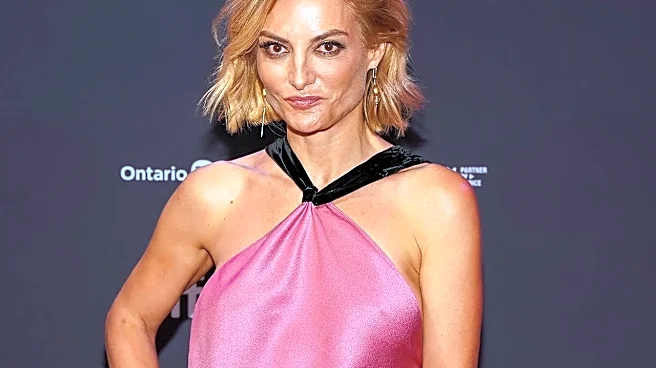
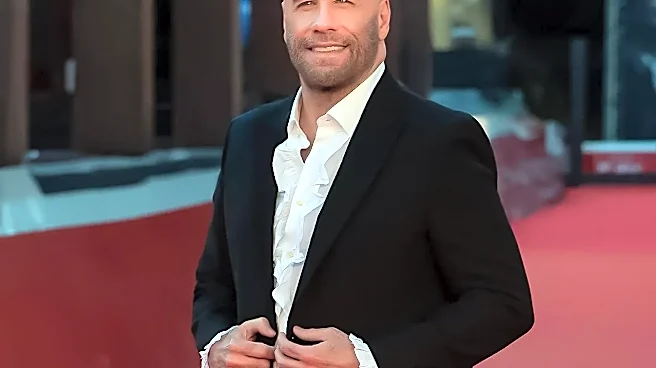
TIFF is a notorious launchpad for awards season, and nothing showcases an actor's talent quite like a meaty, dialogue-rich role. The festival's 2026 slate is packed with star power, from Mahershala Ali to Adam Driver and Daniel Kaluuya. For performers, these films are an opportunity to dig deep into character and deliver the kind of powerhouse performances that generate Oscar buzz. In an industry where labor and the value of artists have been central to recent conversations, films that celebrate the craft of acting hold a special resonance. A film that allows its stars to truly shine through powerful language and emotional depth becomes a valuable asset in a crowded marketplace, making it an attractive prospect for distributors looking for a project with a built-in awards campaign narrative.