





The Argument Over Who Gets to Host
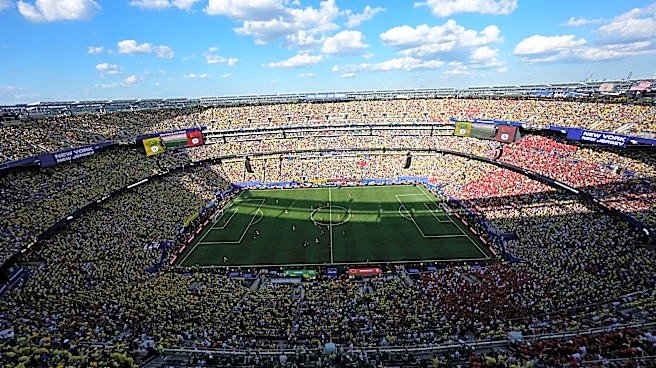
The single biggest source of controversy is the World Cup’s address. The decision to award the 2018 and 2022 tournaments to Russia and Qatar, respectively, blew the lid off the simmering debate about “sportswashing”—the use of major sporting events to launder
a country’s global reputation. In Qatar, the conversation was dominated by the reported deaths of migrant workers who built the stadiums and the nation’s criminalization of homosexuality. For many fans and players, celebrating the beautiful game in a place with such a troubling human rights record felt deeply compromised. This isn’t a new phenomenon. Argentina’s 1978 World Cup was held under the shadow of a brutal military junta. But the scale and visibility of recent issues have forced a reckoning. FIFA’s selection process, historically opaque and vulnerable to corruption (more on that later), has consistently favored bids that raise serious ethical questions, turning the tournament from a global celebration into a geopolitical battleground before a single ball is kicked.
The Argument About Money and Power
If the host selection is the symptom, the disease is often found in FIFA’s headquarters. For decades, the Fédération Internationale de Football Association has operated like a sovereign state, with immense power and little external oversight. This culminated in the massive 2015 corruption scandal, where U.S. and Swiss authorities indicted top soccer officials for rampant bribery, fraud, and money laundering related to media rights and host bids. The scandal confirmed what many had long suspected: that the world’s most popular sport was being run by a system rife with graft. While FIFA has since implemented reforms, skepticism remains. The organization is a non-profit that brings in billions in revenue, primarily from the men's World Cup. The fundamental argument is about where that money goes. Critics argue that not enough is reinvested into the grassroots game or shared equitably among the 211 member nations. Instead, the tournament’s immense wealth often seems to fuel a cycle of political favors and executive power plays, leaving the sport itself as a secondary concern.
The Argument Over Who Really Pays
For a host nation, landing the World Cup is sold as a golden ticket: a month-long party that boosts tourism, upgrades infrastructure, and puts the country on the world stage. The reality is often far more complicated. The economic argument centers on whether the massive public investment is worth it. Cities and countries spend billions on state-of-the-art stadiums that, after the tournament ends, often become costly “white elephants” with no sustainable local use. Think of the underused arenas in South Africa, Brazil, and Russia. Furthermore, the promised economic boom rarely materializes for ordinary citizens. While FIFA and its corporate sponsors reap enormous profits, local communities can face displacement to make way for construction, brutal traffic, and inflated prices. Protests at the 2014 World Cup in Brazil, where citizens demanded money be spent on hospitals and schools instead of stadiums, perfectly captured this unsettled argument: who is this party really for?
The Argument Over the Game Itself
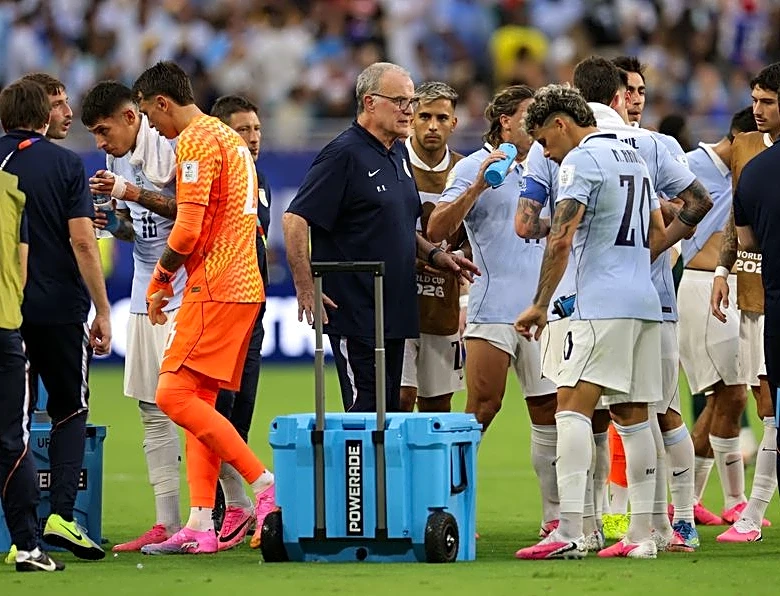
Even on the pitch, the tournament is built on debate. The introduction of the Video Assistant Referee (VAR) was meant to end arguments over controversial calls, but it has arguably created new ones. Fans and pundits now debate the technology’s inconsistent application, the passion-killing delays, and whether it sanitizes the human element of the game. Every major tournament match seems to feature a prolonged VAR check that leaves one side feeling robbed. Looking ahead, another debate looms: the expansion of the tournament from 32 to 48 teams, starting in 2026. FIFA frames this as a move for global inclusivity, giving more nations a chance to participate. Critics, however, see it as a cash grab that will dilute the quality of play in the group stage and bloat an already demanding schedule. It’s the classic tension between growth and quality, and it’s an argument that speaks to the very soul of the competition.