
Tier 1: The Disciplined Overachievers
This is the top tier for any tactical nerd: the team with less raw talent that uses brilliant organization to slay giants. At the 2022 World Cup, this was, without a doubt, Morocco. Coach Walid Regragui,
appointed just months before the tournament, installed a defensive system so compact it felt like a work of art. They operated in a disciplined 4-1-4-1 low block, denying space between the lines and daring opponents to break them down. Spain couldn’t. Portugal couldn’t. The star was the system itself, but its beating heart was midfielder Sofyan Amrabat, who covered every blade of grass as the single pivot, breaking up play and launching counters. Watching Morocco’s disciplined defensive shape shift and slide in unison was more satisfying than a dozen step-overs. It was a masterclass in making the collective stronger than the sum of its parts.
Tier 2: The Coherent Pressing Machines
There’s a special place in every nerd’s heart for a team that presses with intelligence and manic energy. The United States under Gregg Berhalter fit this bill perfectly. Their game plan, particularly in the group stage, was built on suffocating opponents with a high-energy press led by the midfield trio of Tyler Adams, Weston McKennie, and Yunus Musah. They weren’t always effective in the final third, but their ability to win the ball back high up the pitch and control the tempo against teams like England was deeply impressive. Similarly, Japan earned its place here by being the masters of the second-half adjustment. Coach Hajime Moriyasu repeatedly switched to a more aggressive pressing formation after halftime, overwhelming both Germany and Spain to secure historic comeback wins. This wasn’t just running hard; it was targeted, coordinated chaos designed to exploit specific weaknesses, and it was glorious to watch.
Tier 3: The Midfield Supremacists
In an era of high-speed transitions and frantic pressing, the team that can simply put its foot on the ball and dictate the pace is a rare and beautiful thing. For two World Cups running, that team has been Croatia. While their legendary trio of Luka Modrić, Marcelo Brozović, and Mateo Kovačić is aging, their ability to control the game’s rhythm remains unparalleled. They don't suffocate you with pressure; they pass you to death. Their intelligence lies in knowing when to slow the game down, when to speed it up, and how to find pockets of space that other teams don’t even see. Watching them is an education in movement, positioning, and tactical patience. Their journey to another semi-final in 2022 wasn't a fluke; it was the product of a midfield that is simply smarter and more cohesive than almost anyone else’s.
Tier 4: The Pragmatic Powerhouse
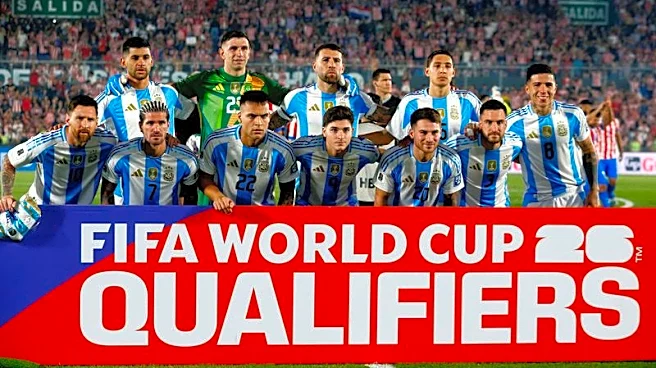
It’s easy to dismiss winning teams as just having the best players, but Argentina’s 2022 triumph was a monument to tactical flexibility. After a shocking opening loss to Saudi Arabia, coach Lionel Scaloni didn't panic; he adapted. Throughout the tournament, he constantly tweaked his formation and personnel to counter specific opponents. He shifted from a 4-4-2 to a 4-3-3 to even a 3-5-2 against the Netherlands to match their system. He brought in young players like Enzo Fernández and Julián Álvarez when the starters weren’t getting it done, changing the entire dynamic of the team. While Lionel Messi provided the transcendent moments, Scaloni provided the tactical platform that allowed him to shine. It was a masterclass in in-game management and pragmatism, proving that even a team with the greatest player of all time needs a brilliant strategist on the sideline.