


The Rise of the Short Suit
The most immediate and obvious shift on the Parisian runways was the confident stride of the short suit. This isn't a new concept—Pharrell Williams has been a proponent for years—but this season, it hit a critical mass of sophistication. At shows like
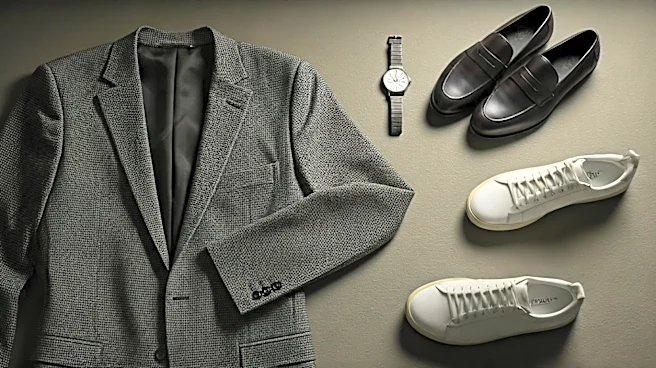
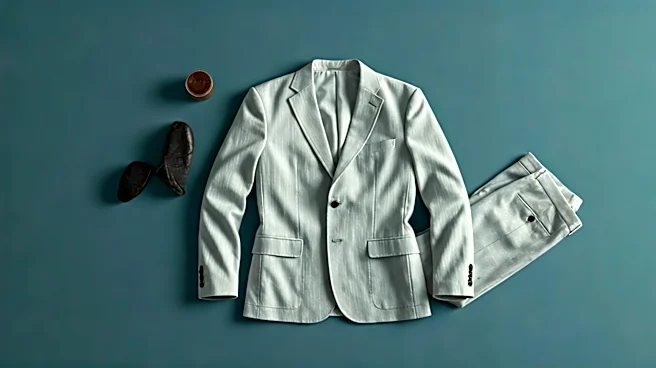
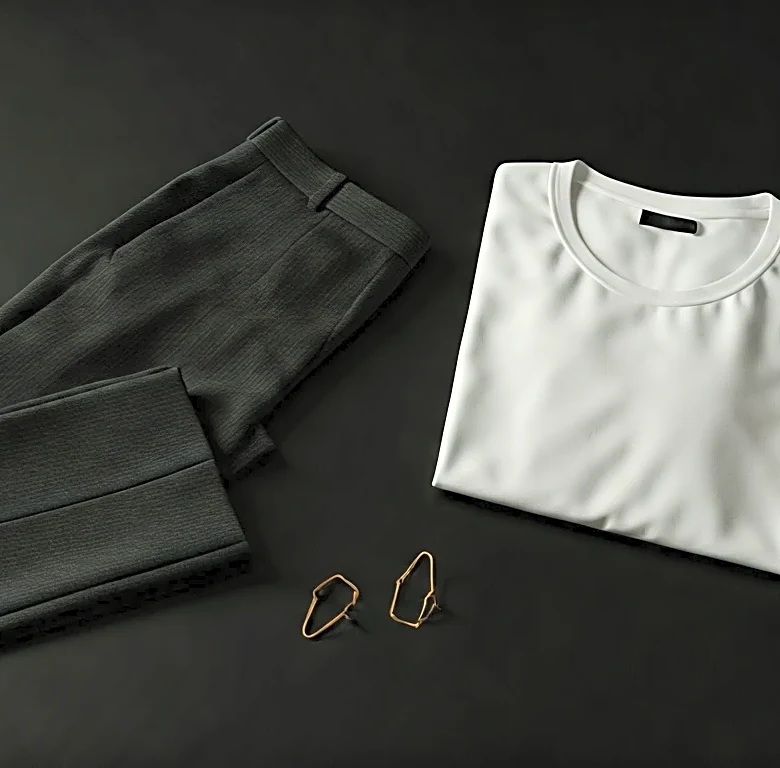
AMI Paris, tailored shorts, hitting just above the knee, were paired with matching blazers to create a look that was both polished and pragmatic. The key was in the execution: these weren’t just any shorts, but meticulously cut pieces in high-quality fabrics, styled with loafers or minimalist sneakers. It answers a fundamental question of summer formalwear: why suffer in trousers when the heat demands otherwise? The new short suit proposes an elegant solution, moving it from a quirky style choice to a legitimate staple of the modern warm-weather wardrobe.
A New Material World
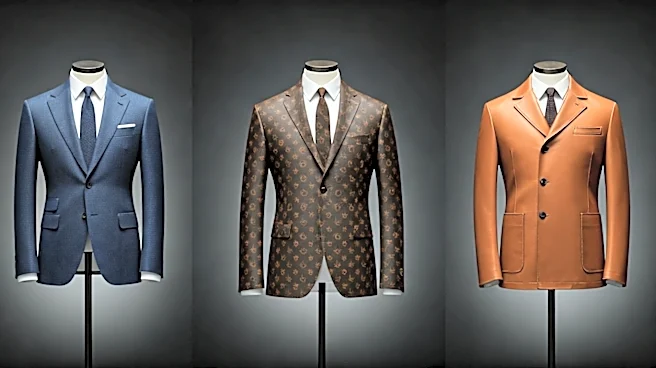
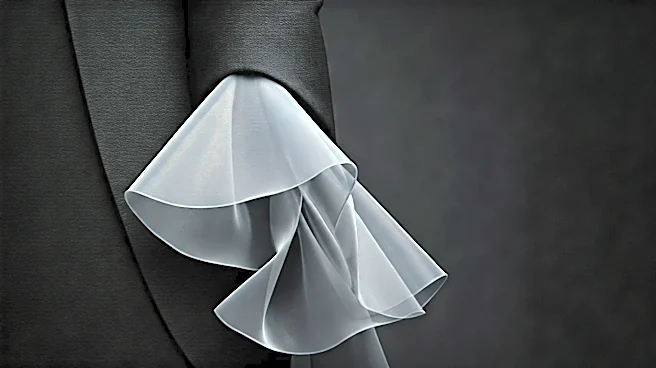
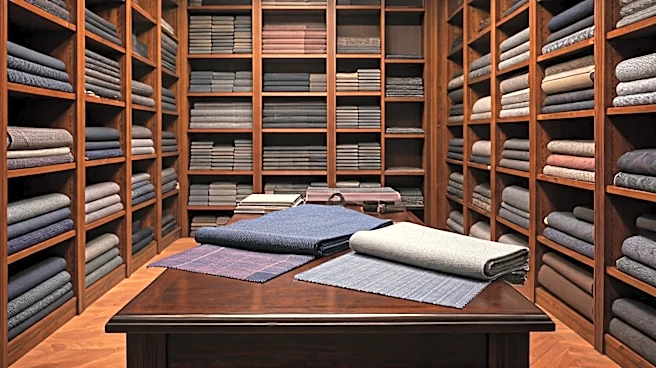
Linen and seersucker have long been the default heroes of summer suiting, prized for their breathability. But designers in Paris looked beyond the traditional, embracing a wider and more technical vocabulary of fabrics. We saw suits crafted from lightweight technical nylon, giving them a sleek, almost futuristic sheen. Sheer and semi-sheer materials, once reserved for eveningwear or more avant-garde pieces, appeared in blazers and trousers at houses like Dries Van Noten, playing with ideas of vulnerability and layering. Elsewhere, textured knits and crinkled silks offered a sense of fluid motion and relaxed comfort that stiffly-starched cotton could never achieve. This expansion of materials is about more than just novelty; it’s about aligning the suit with a modern lifestyle that values comfort, performance, and a touch of the unexpected.
The Unstructured Silhouette
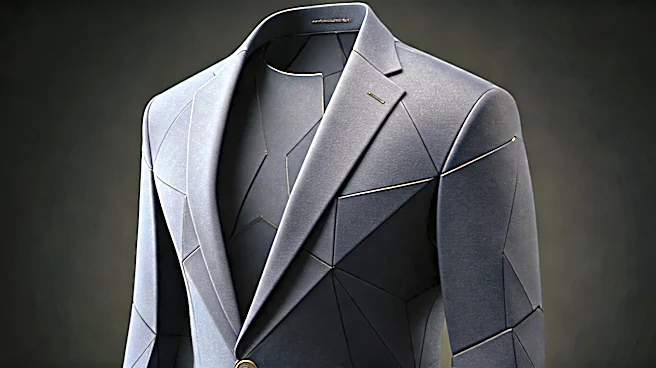
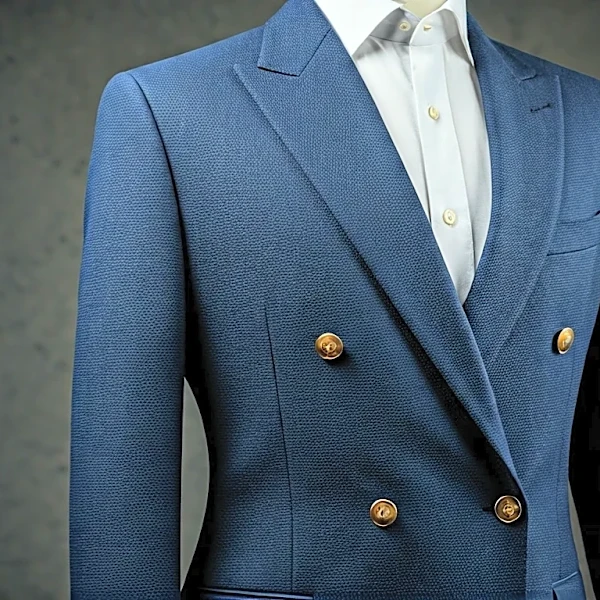
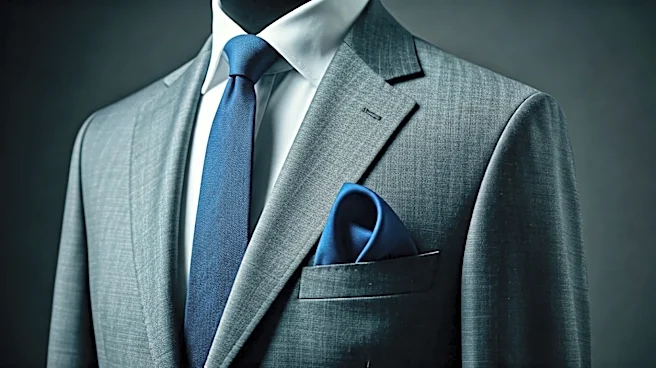
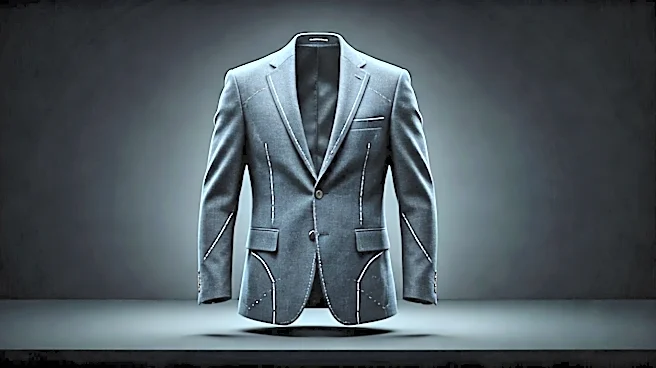
If the traditional suit is defined by its sharp lines and structured shoulders—a kind of sartorial armor—the new summer suit is defined by its absence of them. The silhouette has softened, relaxed, and deconstructed. Designers showcased jackets with little to no internal padding, draping fluidly over the body rather than imposing a shape upon it. Trousers were wider, breezier, and often pooled around the ankle. This trend feels like a direct descendant of our post-pandemic embrace of comfort, a translation of loungewear’s ease into the language of tailoring. It suggests a man who is confident enough not to need the rigid formality of the past. The look is less “boardroom executive” and more “creative director on a yacht,” prioritizing movement and an air of effortless cool.
Rethinking What Goes Underneath
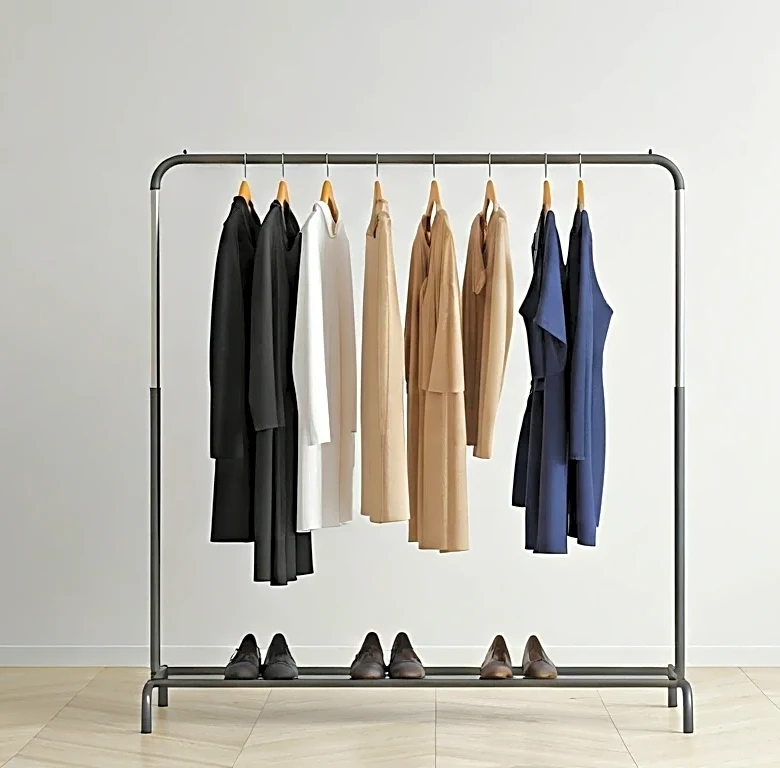
Perhaps the most radical reframing of the suit came not from the suit itself, but from what was (or wasn't) worn with it. The dress shirt and tie combination was conspicuously absent from many key looks. Instead, blazers were styled over casual knit polos, simple tank tops, or, in the most daring interpretations, nothing at all. This move completely changes the suit's context, stripping it of its corporate connotations and repositioning it as a versatile piece of separates. A blazer worn over a bare chest becomes a statement of pure style, an item for a night out rather than a day at the office. This styling choice underscores the biggest trend of all: the suit is no longer a uniform but a flexible tool for self-expression.