
The Shape That Defined a Decade
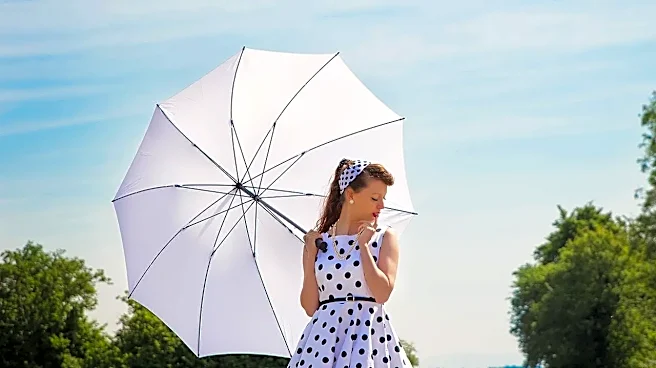
When we think of 1950s fashion, one silhouette immediately comes to mind: the hourglass figure, defined by a tightly cinched waist and a wide, full skirt that fell below the knee. For teenagers, this wasn't
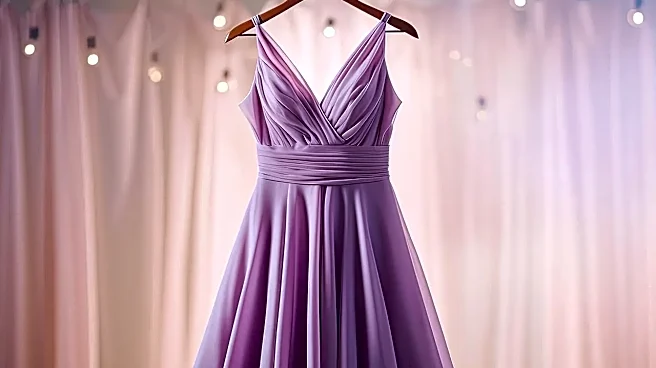
couture; it was casual sportswear. It was the felt circle skirt—often decorated with an appliquéd poodle—paired with a simple blouse or sweater set. It was the swing dress perfect for a sock hop, worn over layers of stiff petticoats for maximum volume. This look was a dramatic departure from the utilitarian, fabric-rationed styles of the World War II years, which featured boxy shoulders and shorter, more practical skirts. The new look was unapologetically feminine and abundant, using yards of fabric to create its signature swirl.
A 'New Look' with Old Roots
This silhouette didn't just appear out of nowhere. It was a direct descendant of high fashion's most dramatic post-war statement: Christian Dior's “New Look,” which debuted in Paris in 1947. Dior's collection was a sensation, featuring rounded shoulders, tiny waists, and voluminous, long skirts that celebrated a return to opulence. But Dior himself was looking further back for inspiration. His designs were a modernized, romantic callback to the Belle Époque and mid-19th century, when corsets, bustles, and extravagant skirts were the height of femininity. This revival was a deliberate rejection of wartime austerity. Dior and his contemporaries brought back a hyper-feminine shape that symbolized a desire for peace, glamour, and a return to traditional gender roles after years of global conflict.
From High Fashion to High School
While Dior's designs were for the wealthy elite, the silhouette quickly trickled down and was enthusiastically adopted by a brand-new cultural force: the American teenager. For the first time, young people had their own disposable income, their own music, and a desire to create an identity separate from their parents. Fashion became a key tool for this new generation. The full-skirted silhouette was simplified for a younger, more active audience. The couture gowns of Paris became the easy-to-sew circle skirts and playful novelty prints of suburban America. The look was perfect for the burgeoning rock 'n' roll culture, as the skirts were ideal for dancing. It was feminine without being stuffy, and it allowed for personal expression through customized appliqués and accessories.
Nostalgia, Optimism, and Rebellion
So why borrow from the past? The adoption of this vintage silhouette was fueled by a complex mix of social currents. On one hand, it represented a deep-seated nostalgia for a romanticized, pre-war version of the world—a longing for perceived simplicity and grace. For the adult generation, it symbolized post-war optimism and prosperity; America was booming, and the abundance of fabric was a way to show it. But for teenagers, adopting this look was also a subtle form of rebellion. While their preppy counterparts favored neat, pleated skirts, the full circle skirt, especially when paired with the 'greaser' leather jackets worn by boys, became part of a distinct youth uniform. It was a way to participate in a shared cultural identity, whether that was through the wholesome fun of a sock hop or the edgier fandom of film stars like Marlon Brando and James Dean.