





The Myth of Universal Flattery
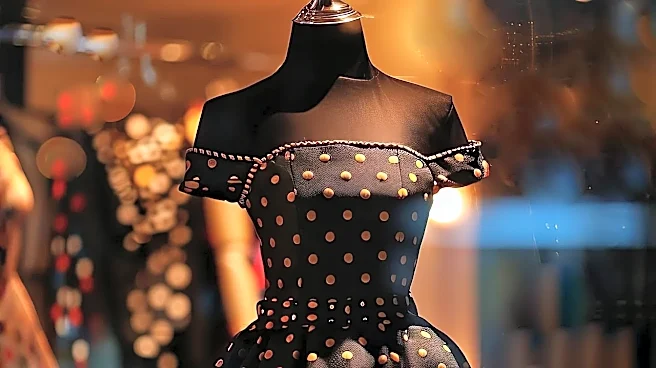
Let's get one thing straight: the fit-and-flare is one of the most versatile silhouettes in fashion for a reason. Its core design—a fitted top that cinches at the waist and a skirt that flares out—is brilliant at creating a classic hourglass shape. This
is why stylists often recommend it for a wide range of body types, from pear shapes to athletic figures. The misconception isn't that it's a flattering dress, but that it's automatically flattering. Many shoppers grab one assuming its magic works without any adjustments. The truth is, its effectiveness hinges on subtle but crucial details. The magic isn't just in the shape itself, but in how the specific waist placement, fabric, and skirt volume interact with your unique proportions.
Misreading #1: The Waistline Is Not a Suggestion
The single most important element of a fit-and-flare dress is where it fits—specifically, where the waistline sits. The entire silhouette is built around this single point. A common mistake is to focus on the overall size and color while ignoring whether the dress's narrowest point aligns with your own natural waist. If the dress waist is too high, it can create an unflattering, disproportionate look. If it's too low, it can interrupt your natural lines and make your torso appear longer or shorter than it is. The perfect fit-and-flare should cinch at the narrowest part of your torso. Before you even look at the price tag, hold the dress up to your body and see where that waist seam is designed to hit. If it's not right, no amount of wishful thinking will make it work as intended.
Misreading #2: Fabric and Flare Are a Team
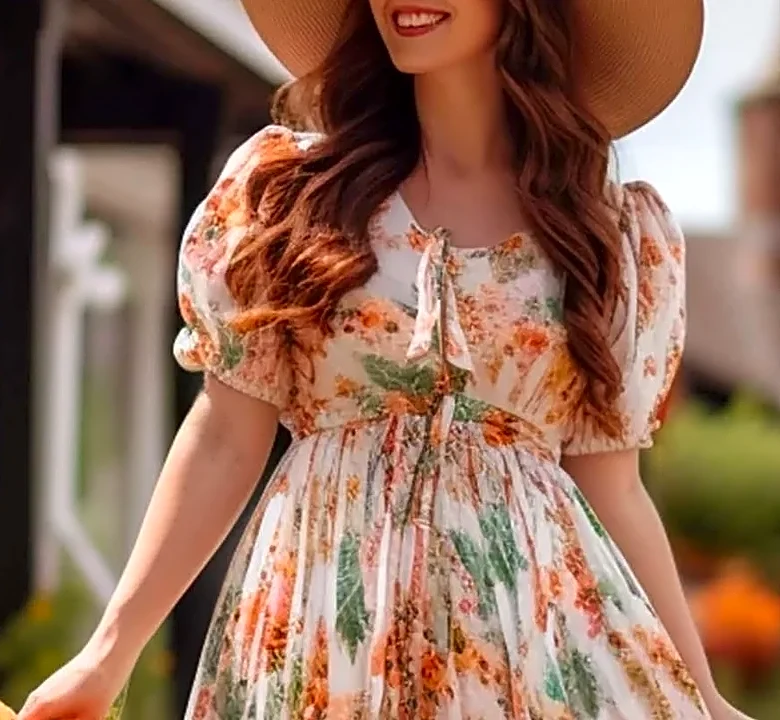
Another frequent oversight is treating all flares as equal. The volume and structure of the skirt are dictated almost entirely by the fabric, and this dramatically changes the dress's effect. A dress made from a stiff, structured material like scuba or heavy cotton will create a much more dramatic, voluminous flare that stands away from the body. This can be fantastic for creating curves, but on a petite frame, it might be overwhelming. Conversely, a dress in a soft, drapey fabric like jersey or silk will have a flare that skims the hips and moves with you, offering a softer and more subtle effect. Shoppers often fall in love with a print or color without considering if the fabric's behavior aligns with the look they're trying to achieve. One creates bold, architectural lines; the other offers gentle, fluid movement.
Misreading #3: The Dress Doesn't Stand Alone
Finally, it's easy to forget that the dress is just one part of a whole outfit. Even a perfectly chosen fit-and-flare can look 'off' if the proportions of the accessories are wrong. Because the silhouette already has a defined shape—tight on top, full on the bottom—it requires balance. For example, pairing a voluminous fit-and-flare with chunky, heavy shoes can weigh down the look. A more delicate heel or pointed flat often works better to elongate the leg. Similarly, a cropped jacket that ends right at the defined waist will complement the dress's shape, while a longer jacket that cuts across the flared skirt can fight against it, making the entire outfit look disjointed. Thinking about the entire silhouette from head to toe is the final step to truly mastering this classic piece.