






Rule 1: Focus on the People, Not the Politics
The Declaration of Independence isn't funny. But the flawed, ambitious, and deeply human people behind it? That's comedy gold. The most successful 1776 humor zeroes in on the universal, relatable messiness of humanity. Think of 'Hamilton,' where the revolution
is a backdrop for ego, romance, and rivalry. The show works not because it's about forming a government, but because it's about a guy who is “young, scrappy, and hungry” and won't throw away his shot. Even King George III becomes a comedic force, not as a political figure, but as a spurned, controlling ex-lover crooning passive-aggressive breakup songs. The joke isn't the Stamp Act; it's the absurdity of a powerful monarch threatening to “kill your friends and family to remind you of my love.”
Rule 2: Find the Modern Parallel
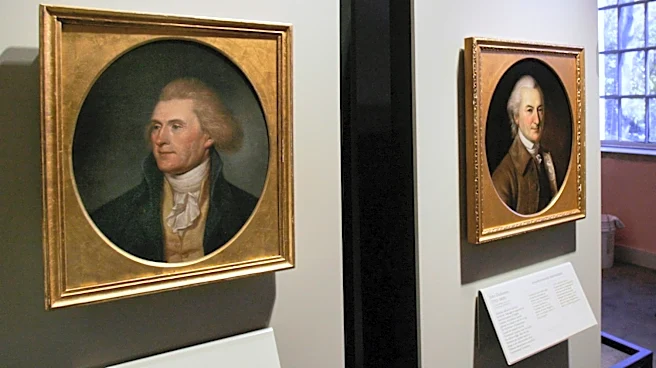
History doesn't repeat itself, but it often rhymes—and that rhyme is where great comedy lives. Jokes about 18th-century political backstabbing, media spin, and public feuds land because we see those same dynamics playing out on cable news and social media every day. When 'Hamilton' depicts Thomas Jefferson and Alexander Hamilton in a cabinet rap battle, it’s hilarious because it reframes a historical policy dispute as the kind of public showdown we instantly recognize. Similarly, the classic TV series 'Drunk History' found its humor by filtering historical events through a modern, informal, and often chaotic lens. The comedy comes from the juxtaposition: A-list actors in period costumes acting out a story told by a genuinely inebriated narrator, complete with modern slang, digressions, and hiccups. It makes history feel less like a stuffy oil painting and more like a story a friend would tell you at a bar.
Rule 3: Embrace Glorious Anachronism
The fastest way to kill a 1776 joke is to be a slave to historical accuracy. The best comedy knows when to throw the textbook out the window. Deliberately injecting modern sensibilities, language, and technology into the past creates an instant, jarringly funny effect. The animated satire 'America: The Motion Picture' gives George Washington a pair of chainsaws and teams him up with a beer-chugging Sam Adams. It’s gleefully inaccurate and proud of it. The humor comes from the sheer audacity of the anachronism. This isn't just about getting a cheap laugh; it’s a tool. By using modern language—from hip-hop to casual profanity—creators can cut through the historical distance and make the characters' motivations and emotions feel immediate and resonant. It’s why hearing the founding fathers use contemporary slang feels less like a mistake and more like a translation, converting the past into a language we can all understand.
Rule 4: Punch Up at Power
The oldest rule of comedy is perhaps the most important here: always punch up. Humor in any historical context works best when it's aimed at the powerful, the pompous, and the self-important. Jokes about the American Revolution are funniest when they target the absurdity of monarchy, the arrogance of empire, or the inflated egos of the men in charge. There's a reason King George is such a reliable comic figure; he's the ultimate symbol of out-of-touch power. Even humor from the period itself often worked this way, with colonists finding glee in stories that made the supposedly superior British forces look foolish. The joke is on the people who believe they are infallible. This preserves the rebellious spirit of 1776 itself, which was, at its core, a radical act of speaking truth to power and knocking an empire down a peg.