





The Era of Cool, Casual Minimalism
Travel back to the first BET Awards in 2001, and the style story was one of understated cool. This was the era of Y2K fashion, where glam often translated to a certain kind of streamlined, almost casual, elegance. Think Destiny's Child in coordinated,
yet relatively simple, matching sheer dresses. Mary J. Blige might rock a leather outfit, or Chaka Khan a simple, fitted black dress. It wasn't about the absence of style, but a different expression of it. The predominant aesthetic leaned into what was hot on the streets and in music videos: low-rise jeans, crisp all-white ensembles like the one LisaRaye McCoy famously wore, athletic wear, and the occasional bold print. The vibe was less about commanding the carpet with architectural gowns and more about showing up looking effortlessly fly, as if you could head straight from the awards to the afterparty without an outfit change. The textures were often smooth—leather, denim, simple cottons—and the silhouettes, while sometimes daring, rarely ventured into the avant-garde.
The Cultural Shift to Unfiltered Expression
So, what changed? Everything. The shift from minimal to maximal wasn't an overnight flip but a gradual and powerful cultural awakening. The mid-to-late 2000s and 2010s saw the rise of social media, which democratized fashion and beauty. Suddenly, style inspiration wasn't just coming from magazines; it was coming from everywhere. More profoundly, the natural hair movement gained momentum, encouraging Black women to embrace and celebrate their curls, coils, and kinks. This embrace of natural texture in hair mirrored a broader desire for authenticity and self-expression in all areas. Artists and celebrities began to understand the red carpet not just as a promotional stop, but as a platform for storytelling. Fashion became a tool to celebrate Black identity, heritage, and creativity on a global stage. The focus shifted from fitting into a pre-existing Hollywood mold to creating a new one entirely—one that was louder, bolder, and unapologetically Black.
The Glorious Reign of Maximal Texture
Welcome to the present day, where the BET Awards red carpet is a masterclass in maximalism. The keyword is texture, both literal and figurative. We see it in the explosion of natural hairstyles, intricate braids, and gravity-defying locs that frame the faces of today's biggest stars. We see it in the fashion choices: feathers, intricate beadwork, voluminous ruffles, and rich, dynamic fabrics that demand attention. Designers like LaQuan Smith, Sergio Hudson, and Christopher John Rogers are now mainstays, bringing their unique visions of Black luxury to the forefront. Looks from recent years tell the tale: Lil Nas X in an embroidered, 70s-style floral suit, Saweetie in a viral plunging purple gown, or Doechii treating the carpet as a theatrical stage with dramatic silhouettes. It’s a celebration of taking up space, where more is more, and the glam is a powerful statement of cultural pride and artistic rebellion. Even menswear has evolved from casual suits to bold, tailored statements in vibrant colors and patterns.
More Than a Trend, It’s a Statement
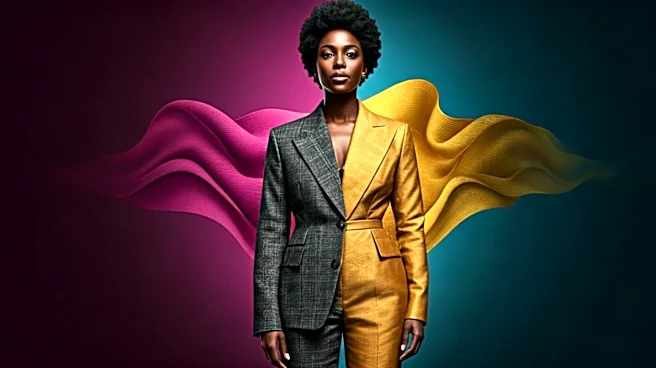
This pivot from minimal to maximal is more than just a fashion trend; it's a visual record of a cultural revolution. The early 2000s minimalism reflected a certain cool confidence, but today's maximalism is a declaration of power. It signifies a move from seeking mainstream validation to creating and defining the mainstream. The introduction of a Fashion Vanguard Award at the 2026 ceremony, with nominees like Beyoncé, Rihanna, and Zendaya, solidifies that fashion is no longer a secondary part of the show—it's a main event. These artists use fashion to tell stories about their heritage, their power, and their vision for the future. The textures, colors, and bold designs are a celebration of Blackness in all its diversity and complexity. The message is clear: we are here, we are setting the trends, and we are not toning it down for anyone.