







The Sheer Scale of the Challenge
First, let’s talk numbers. The 2026 World Cup will be the largest in history, expanding to 48 teams and hosting an unprecedented number of matches across 11 U.S. cities, from Los Angeles to Philadelphia. This means millions of international and domestic
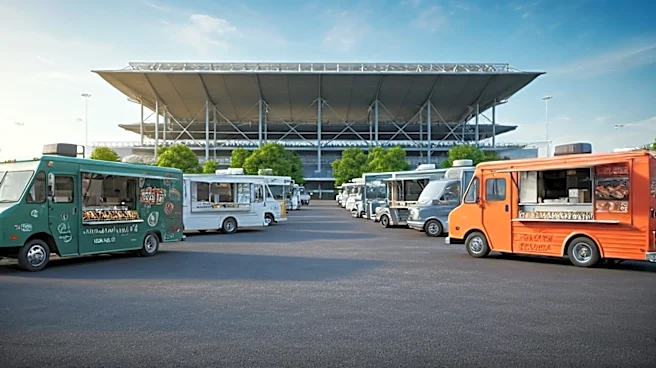
fans will flood these urban centers for weeks. The problem? Existing infrastructure isn’t built for this kind of sustained, city-wide surge. Stadium concession stands have long lines and limited menus. Nearby restaurants will be booked solid, with hour-long waits becoming the norm. How do you feed millions of hungry, diverse fans who are spread out from stadium parking lots to downtown fan zones? You don't build new restaurants for a one-month event. Instead, you deploy a flexible, mobile culinary army. Food trucks can go where the crowds are, setting up in designated areas to alleviate pressure on brick-and-mortar establishments and keeping fans fed, happy, and energized.
A Rolling Taste of America
Unlike many past host nations with a singular, world-famous cuisine, America’s culinary identity is its diversity. What is “American food” to a visitor from Germany or Japan? Is it a Philly cheesesteak? A Texas brisket taco? A Seattle salmon roll? The answer is all of the above, and food trucks are the single best way to showcase this reality. Imagine the scene in a fan zone outside Miami’s Hard Rock Stadium: one fan grabs a Venezuelan arepa, another gets a classic Cuban sandwich, and a third finds an incredible Haitian grill—all from different trucks parked side-by-side. In the Bay Area, it could be Filipino sisig next to gourmet grilled cheese. In Dallas, Korean-Mexican fusion alongside classic barbecue. Food trucks are rolling embassies of the regional and immigrant communities that define modern American cities. They offer an authentic, affordable, and accessible taste of place that a sterile stadium hot dog simply cannot match, giving international visitors a true picture of American culture.
Activating the In-Between Spaces
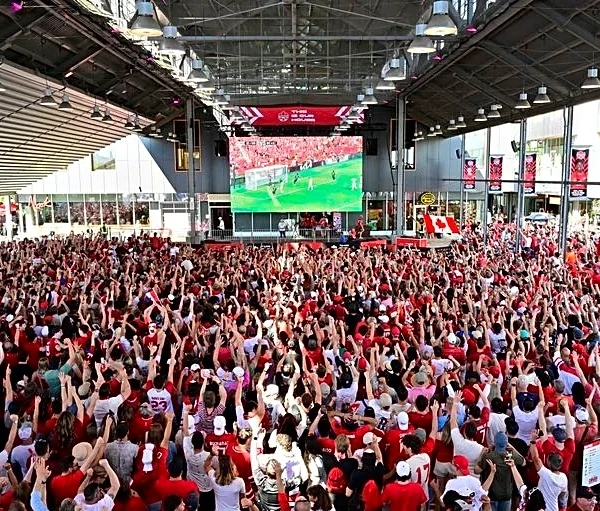
The World Cup experience isn’t confined to the 90 minutes of a match. It’s an all-day affair that spills into public squares, parks, and specially created fan zones where ticketless supporters gather to watch on big screens. These are often in areas not dense with restaurants. Food trucks are the key to turning an empty plaza or a vast parking lot into a vibrant, self-sustaining festival. They provide a crucial amenity that encourages fans to arrive early and stay late, creating the electric atmosphere that defines a successful World Cup. Organizers in cities like Kansas City and Atlanta are already thinking about how to use mobile vendors to create these pop-up hubs of activity. This model prevents the ghost-town effect seen in some past tournaments, where the areas immediately surrounding stadiums were desolate and lifeless. In 2026, the party will be wherever the trucks are.
A Local Economic Game-Changer
When a mega-event comes to town, there’s always a concern that the economic benefits will be captured by large corporations—international hotel chains, official sponsors, and major concessionaires. Food trucks offer a powerful counterbalance. They are, by and large, small, locally-owned businesses. For every dollar spent at a food truck, a much larger percentage stays within the local community. The World Cup presents a once-in-a-generation opportunity for these entrepreneurs to serve a massive new customer base and generate significant revenue. Smart city planning can ensure that permitting is streamlined and accessible, allowing a diverse range of local vendors to participate. This turns the World Cup from a spectacle to be consumed into a platform for grassroots economic empowerment, spreading the wealth beyond the stadium walls and into the neighborhoods that make each host city unique.