



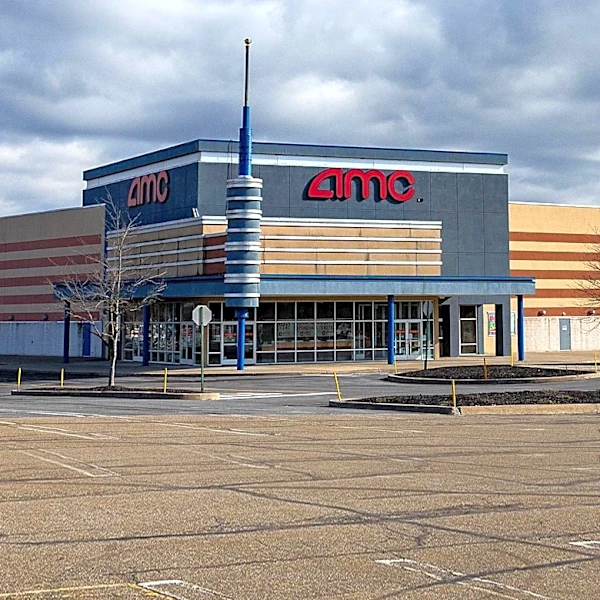




When 'Halloween Kills' arrived in 2021, it wasn't just another horror sequel. It was a high-stakes test case in the heated war between theaters and streaming, offering a bloody, complicated answer to Hollywood's biggest money question.
A Killer Opening Weekend
On paper, the theatrical
debut of 'Halloween Kills' looked like a monster win for the cinema experience. The film carved up an impressive $49.4 million domestically in its opening weekend, a figure that wildly exceeded industry projections which hovered closer to the $35-$40 million range. For a movie released during the pandemic and, more importantly, available to stream at home on Peacock from day one, this was a stunning debut. It became the best opening for an R-rated horror film during the pandemic era, signaling that for the right kind of movie, audiences were still eager to leave the house. Horror, a genre that thrives on communal screams and a dark, focused environment, proved its unique power to draw a crowd, no matter the convenience of a streaming alternative. Universal Pictures had a certified hit on its hands, and theater owners breathed a sigh of relief.
The Strategic Streaming Sacrifice
While the box office numbers were making headlines, Universal's parent company, NBCUniversal, was playing a different game. The decision to put 'Halloween Kills' on Peacock wasn't a sign of weakness, but a calculated strategic move. The goal was less about maximizing the film's total box office haul and more about luring new subscribers to its fledgling streaming service. Horror producer Jason Blum, a vocal supporter of the theatrical model, even stated it was his idea to pursue the day-and-date release, partly due to a frustrating distribution experience with a previous film, 'Freaky'. By sacrificing some potential ticket sales, Universal turned Michael Myers into a powerful marketing tool for Peacock. While the studio never released precise viewership figures, it declared 'Halloween Kills' the most-watched film premiere on the service, suggesting their gambit to boost the platform paid off.
The Second-Week Cliff
The initial victory lap was short-lived. In its second weekend, 'Halloween Kills' saw its box office receipts plummet by a staggering 71%. This kind of drop is steep for any film but was particularly notable when compared to its 2018 predecessor, 'Halloween,' which fell a more conventional 58% in its second frame. The reason was clear: the combination of poor reviews (it holds a 39% on Rotten Tomatoes) and its immediate availability on Peacock created a perfect storm. The die-hard fans rushed out to see it on opening weekend, but more casual viewers, hearing the negative word-of-mouth, simply opted to watch it at home. The pristine digital copy available from day one also fueled piracy, further eating into potential ticket sales. This dramatic falloff became the key piece of evidence for those arguing that a simultaneous release fundamentally kneecaps a film's longterm theatrical viability.
A Complicated and Bloody Verdict
So, was 'Halloween Kills' a success or a failure? The answer is a messy 'both'. With a production budget of just $20 million, its ultimate worldwide gross of over $133 million made it comfortably profitable. It successfully drove engagement and likely subscriptions for Peacock, achieving a key corporate objective. However, it also left a significant amount of money on the table. The massive secondweek drop suggests a theatricalonly run could have pushed its final tally much higher, closer to the $255 million worldwide gross of the 2018 film. The film didn't end the debate over dayanddate releases; instead, it clarified the stakes. It revealed that for fandriven, frontloaded genres like horror, a hybrid release can deliver a big opening splash but at the cost of the sustained revenue that builds a true blockbuster. It's a tradeoff between a shortterm theatrical gain and a longterm streaming strategy.