






A Calendar Carved by Commerce
The fall television season wasn't born from creative impulse but from commercial logic. The tradition dates back to the early days of radio, when executives would flee New York City's summer heat and production would halt. This practice carried over to television.
More importantly, the September-to-May schedule aligned perfectly with the advertising cycle for another major American industry: automobiles. Networks would unveil their new primetime lineups just as car manufacturers were rolling out their new models, creating a powerful marketing synergy. Viewership also naturally declines in the summer as people spend more time outdoors, making fall the ideal time to recapture a captive audience ready to settle back onto their couches. This created a reliable, decades-long rhythm that taught generations of viewers to expect new stories in the fall.
The Psychology of a Cozy Couch
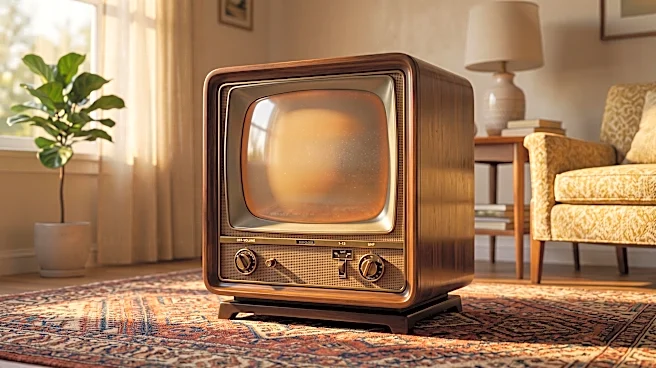
The link between autumn and nostalgia is more than just a media-trained habit; it's psychological. Fall is a season of transition—back to school, busier schedules, and the retreat indoors. This shift often triggers introspection and a longing for the comfort of the past. Psychologists note that the unique sensory experiences of fall, like the scent of rain or the taste of seasonal foods, are powerful triggers for positive memories. For many, those memories are intertwined with television. Think of racing home to catch a specific show, the shared family experience of a weekly sitcom, or the thrill of a season premiere that everyone at school would be talking about the next day. TV became a fixed point in a season of change, a dependable source of comfort and connection that we unconsciously revisit every time the days get shorter.
When Streaming Broke the Clock
For decades, the broadcast model reigned supreme. But the rise of streaming platforms completely shattered the television calendar. With services like Netflix, Hulu, and others dropping entire seasons at once, any day of the year can be a premiere day. The concept of 'appointment television' has been replaced by the on-demand binge-watch. By May 2025, streaming viewership officially surpassed cable and broadcast TV combined for the first time over a full month, marking a seismic shift in how we consume media. Yet, this disruption has had an ironic side effect: it has amplified the nostalgia for the old way. The very scarcity and structure of the fall season, once a limitation, now feels like a cherished memory of a more communal and less fragmented viewing experience.
The Echo of Premieres Past
Even in this fractured landscape, the ghost of the fall premiere season lives on. Networks still strategically launch major titles in the fall to capture attention. For October 2026, a crowded calendar sees the return of established hits like the critically acclaimed sitcom 'Abbott Elementary' and the political thriller 'The Diplomat', alongside franchise expansions like 'Dexter: Resurrection' and 'NCIS: New York'. Furthermore, the television industry is leaning heavily into nostalgia with a wave of reboots, sequels, and spinoffs of classic shows. These revivals are a direct appeal to the positive memories audiences already have, using established intellectual property as a shortcut to emotional connection. Whether it's a new season of a beloved current show or a revival of an old favorite, the October slate continues to tap into that deep-seated feeling that fall is the time for great television.