
The Main Stage: Where Hype is Manufactured
The biggest battles at NYCC are fought on the Main and Empire Stages. This is where Hollywood studios descend upon thousands of fans, armed with nine-figure budgets and charismatic movie stars. They arrive
with a clear mission: to generate overwhelming excitement for their next comic book adaptation. This year is no different, with panels for anticipated projects like Prime Video's "Blade Runner 2099" and Marvel's upcoming Disney+ slate dominating the schedule. Studios unveil exclusive trailers, host surprise cast reunions, and offer just enough behind-the-scenes footage to send social media into a frenzy. The energy is intoxicating. When a beloved actor walks on stage or the first footage of a show like "Dexter: Resurrection" plays to a packed house, the roar of the crowd is a physical force. It’s a carefully orchestrated campaign to win the hearts and minds of the most important demographic: the core fanbase. This is the epicenter of adaptation hype, a corporate-fan feedback loop designed for maximum impact.
Artist's Alley: The Bastion of Loyalty
Just a short walk from the thunderous applause of the main stages lies a completely different world: Artist's Alley. This sprawling section of the Javits Center is the heartland of comic loyalty. Here, there are no explosive trailers or movie stars. Instead, fans line up for a different kind of encounter—to meet the writers and artists who created their favorite worlds with ink and paper. Names like Frank Miller, Jim Lee, and James Tynion IV are the rock stars here. The transactions are personal. Fans bring worn, well-loved copies of comics to be signed, commission sketches of obscure characters, and have earnest conversations about specific panels and story arcs. This is where the source material is revered not as “IP” to be adapted, but as a finished work of art. The loyalty here is to a specific run, a particular artist's style, or a writer's thematic vision. It’s a quieter, more intimate form of fandom, but it’s fiercely protective of the canon.
The Inevitable Collision
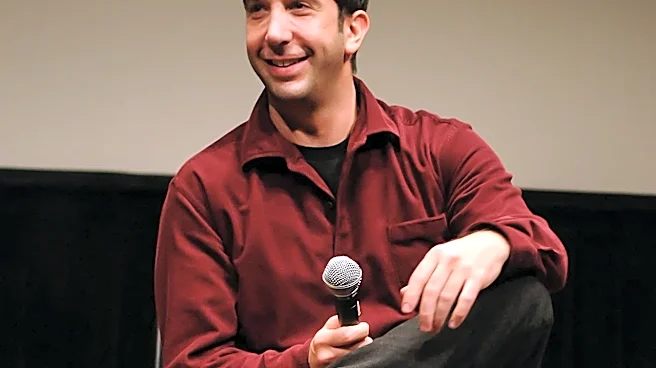
The collision happens in the spaces between these two poles. It’s in the fan Q&A when a brave soul steps up to the microphone to politely ask a director why they changed a character's iconic origin story. It’s in the furious online debates that erupt moments after a trailer drops, with fans screen-shotting frames to compare a costume to its comic book counterpart. Comic book history is famously complex, with multiple authors, reboots, and decades of conflicting storylines. This gives adapters creative leeway, but also creates friction. For every fan excited by a fresh take, there's another who feels a sense of betrayal when an adaptation strays too far. The discussion isn't just about whether a movie or show is good, but whether it is faithful. This tension is the defining drama of modern Comic Con, turning every attendee into a critic and every panel into a potential flashpoint between the new and the original.
A Necessary and Productive Friction
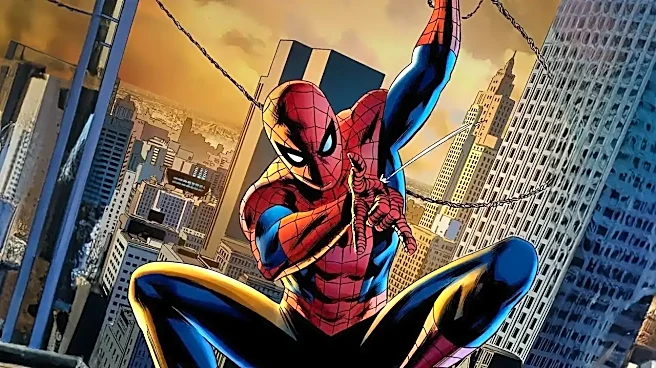
While the arguments can get heated, this collision of hype and loyalty is ultimately a productive force. The passion of loyal fans acts as a quality-control mechanism, keeping studios and creators accountable. They know that the comic-first audience will notice every detail, from the color of a superhero's suit to the thematic integrity of a villain's monologue. At the same time, the hype and marketing muscle of major adaptations bring new audiences to the source material, ensuring these stories continue to find life beyond the printed page. Many modern adaptations succeed by finding a middle ground, respecting the core themes of the source material while making changes that allow the story to surprise even die-hard fans. Marvel Studios, for example, has built an empire on remixing comic storylines into something new yet familiar. This dynamic ensures that the characters and worlds born in comics remain part of the broader cultural conversation, constantly evolving but always connected to their roots.