


The Foundation: The Tailoring
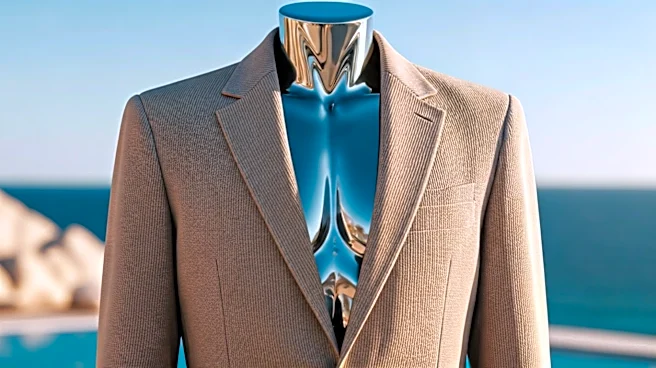
The entire look hinges on the suit itself, but not the kind you wear to a job interview. Modern resort tailoring is defined by its relaxed silhouette and lightweight, breathable fabrics. Think less Wall Street power broker and more off-duty CEO vacationing
in the Hamptons. Look for blazers with a slightly oversized or 'boyfriend' fit—structured enough to hold their shape, but loose enough to feel effortless. Trousers should follow suit, with wide-leg, straight, or gently pleated styles that prioritize movement and comfort. The magic is in the material: airy linens, crisp cottons, and fluid Tencel or silk blends are your best friends here. These fabrics catch the breeze and prevent the look from feeling heavy or restrictive. Color plays a key role, too. While a classic black is always an option, the trend truly sings in a palette of creamy neutrals: ecru, beige, sand, olive, and soft white. These shades feel inherently sun-bleached and sophisticated, reinforcing the 'resort' part of the equation.
The Variable: The 'Bare-Skin' Element
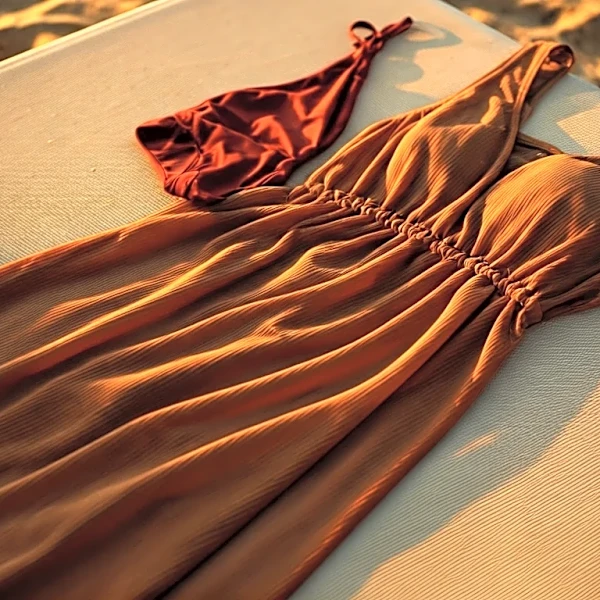
This is where the styling equation gets its name, but it’s more nuanced than it sounds. 'Bare skin' isn't a mandate for nudity; it's an invitation to play with negative space. The most direct interpretation is wearing a well-tailored blazer buttoned low with nothing underneath but a delicate necklace. It’s bold, confident, and surprisingly elegant. However, for most, the key is what you *almost* see. A simple knit bandeau top, a silk bralette peeking out from under the lapel, or a minimalist crop top provides coverage while maintaining the illusion of bareness. The goal is to create a focal point at the décolletage or midriff, breaking up the structure of the suit. This contrast—the hard line of the tailoring against the softness of skin—is what makes the look so compelling. It can also be about an open-back vest worn with matching trousers or a suit jacket worn casually over bare shoulders. The 'skin' is the variable you can adjust based on your comfort level and the occasion.
The Constant: The Minimalist Finish
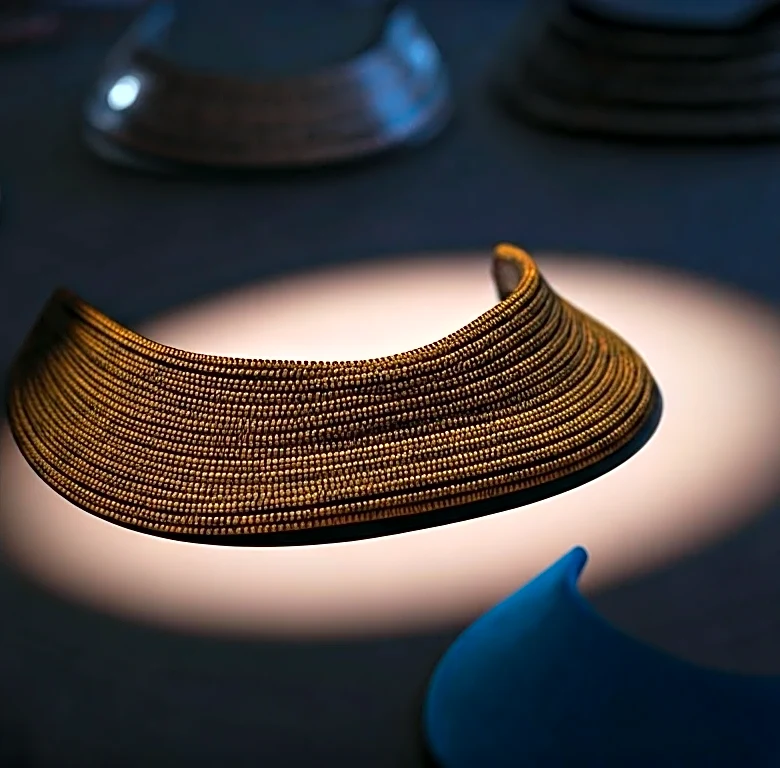
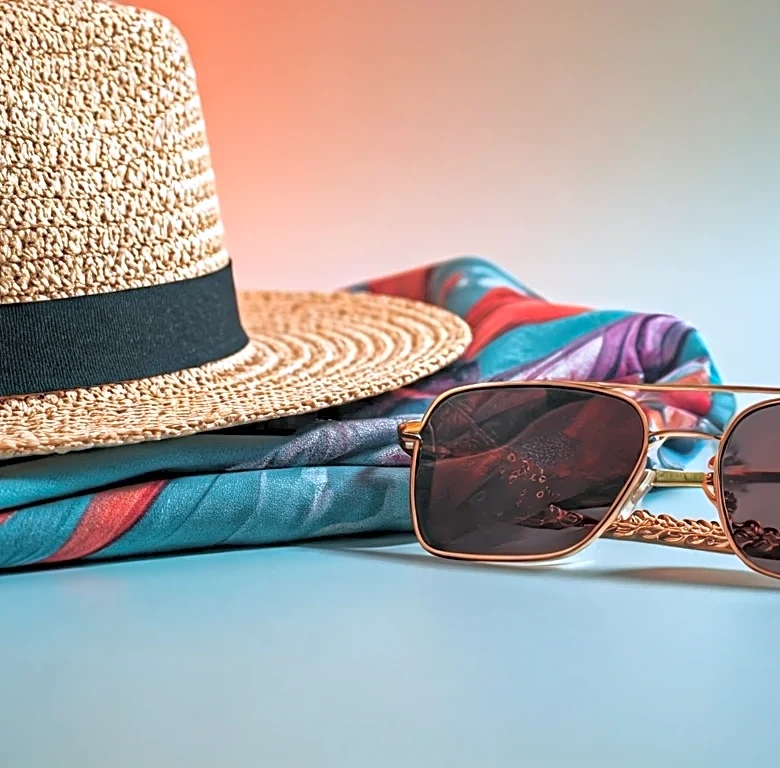
To prevent this look from veering into 'forgot my shirt' territory, the finishing details are non-negotiable. The accessories and footwear must be intentional and refined. This is a moment for quiet luxury, not loud statements. Opt for delicate, high-quality jewelry—a fine gold chain, small hoops, or a simple stack of rings. These pieces add a glint of polish without competing with the neckline. Your handbag should be structured and understated; a small top-handle bag or a sleek leather clutch works perfectly. For footwear, the vibe is relaxed but elevated. Think leather slides, minimalist heeled sandals, or chic pointed-toe flats. Heavy platforms or chunky sneakers disrupt the breezy, elongated silhouette the suit is meant to create. The philosophy is 'less is more.' Each accessory should feel like a deliberate choice that complements, rather than complicates, the central statement.
The X-Factor: The Confident Attitude
Ultimately, the final piece of the equation isn't something you can buy. It's the attitude. This look is rooted in a very specific type of nonchalance—the Italian concept of *sprezzatura*, or studied carelessness. It’s the confidence to wear a suit in a completely new, deconstructed way. The posture is relaxed, the walk is unhurried. You’re not trying too hard because you don’t have to. The power of the look comes from the self-assurance it projects. It says you understand the rules of classic tailoring so well that you know exactly how to break them. Without this confidence, a blazer with a bralette can feel tentative. With it, it becomes a powerful, modern, and deeply chic uniform for the woman who is entirely in control of her own style.