




The Rise of a New Tradition
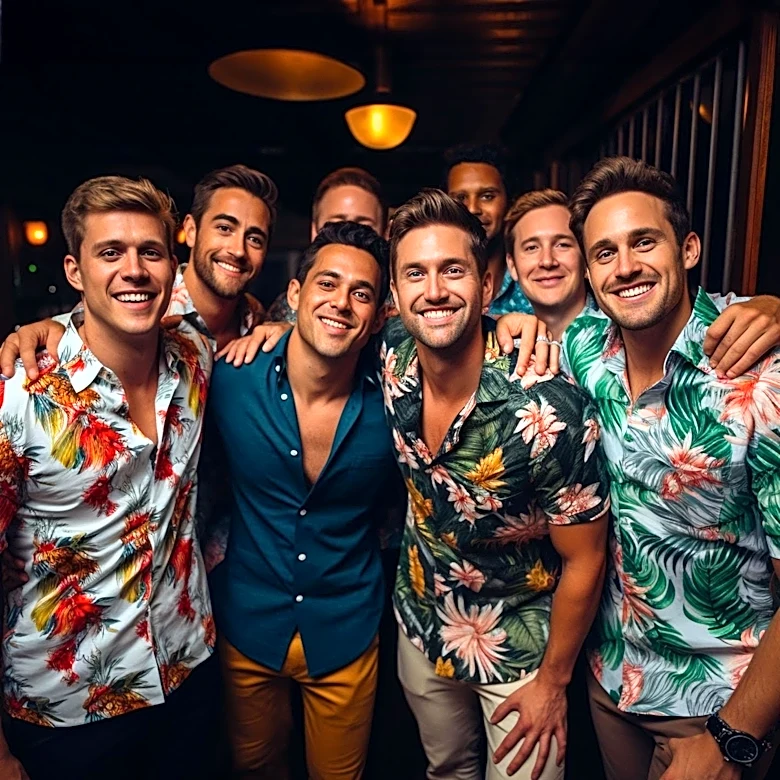
Sometime in the late 2000s, a new word entered the American lexicon: Friendsgiving. Officially added to the Merriam-Webster dictionary in 2020, the term describes a Thanksgiving-style meal shared among friends. Initially, it was a practical solution for
those who couldn't travel home for the holiday due to distance, work, or cost. It served as a gathering for 'holiday orphans' to ensure no one had to celebrate alone. But over the past decade, it has evolved from a niche alternative into a mainstream cultural event celebrated by millions, reflecting a deeper shift in how we define community and celebration.
Trading Obligation for Authenticity
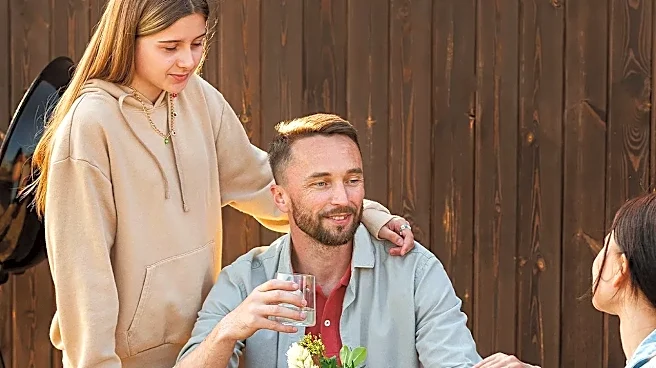
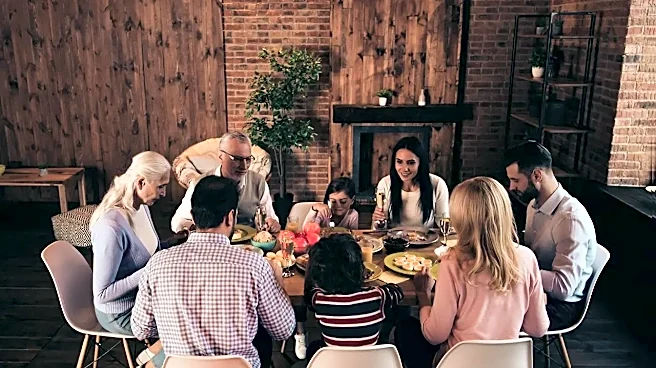
For many, traditional family Thanksgivings can be stressful. They can come with probing personal questions, heated political debates, and the pressure to perform a picture-perfect version of family harmony. Friendsgiving offers an escape. It's a space curated by choice, where attendees are the 'family you choose'. This environment tends to be more relaxed and authentic, free from the weight of long-standing family tensions or generational expectations. According to one survey of young Americans, a significant majority reported preferring Friendsgiving, with many citing the ability to be more open and honest with friends.
The Freedom of a 'Chosen Family'
The concept of a 'chosen family' is central to Friendsgiving's appeal, particularly for those who feel alienated from their biological relatives, such as some in the LGBTQ+ community. These gatherings provide a safe, affirming space where everyone can be themselves without fear of judgment. But the appeal is broad. It resonates with anyone who has built a strong support system outside of their family tree, including immigrants or transplants in new cities. It's a conscious act of celebrating the people who provide consistent, everyday support, reinforcing bonds that are built on shared values and mutual respect, not just shared DNA.
Reinventing the Rules
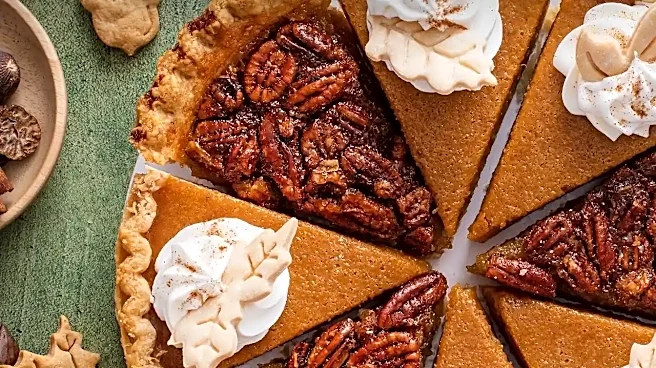
Beyond the social dynamics, Friendsgiving is also about rewriting the holiday script. The collaborative potluck format is standard, which democratizes the labor and cost, taking the burden off a single host. The menu is also more flexible and creative. While turkey might still make an appearance, there’s no rule against tacos, Pad Thai, or a fully vegan spread. This freedom allows the celebration to reflect the diverse tastes and backgrounds of the group. The timing is also fluid, often taking place on a weekend before or after the official holiday, making it an accessible, low-stress event.
An Addition, Not Always a Replacement
While the headline suggests a direct replacement, for many people Friendsgiving is a complement to the traditional family gathering, not a substitute for it. It’s an opportunity to have two celebrations: one rooted in history and heritage, and another celebrating the family we build for ourselves. This 'both/and' approach recognizes that our social and emotional needs can be met by different circles of people. Friendsgiving allows people to honor their deep friendships with the same intentionality often reserved for family, enriching the holiday season rather than diminishing its traditional counterpart.