

An Ethos of Understated Preparedness
In many parts of the world, style is defined by glamour, precision, and a certain theatricality. American style, by contrast, often finds its footing in something far less dramatic: preparedness. The well-dressed American isn’t necessarily the one in the sharpest
suit or the most avant-garde design, but the one who looks comfortable, capable, and ready for whatever the day might bring. The rain jacket is the perfect embodiment of this ethos. To wear one is to signal a certain practical wisdom. You’ve checked the weather. You’re not going to be caught off guard. This practicality-first mindset is a defining feature of the national wardrobe, favoring function and ease over fussy ornamentation. A rain jacket isn't trying to be the star of the show; its purpose is to perform a service, and in doing so, it lends its wearer an air of unflustered competence.
From Military Trenches to City Streets
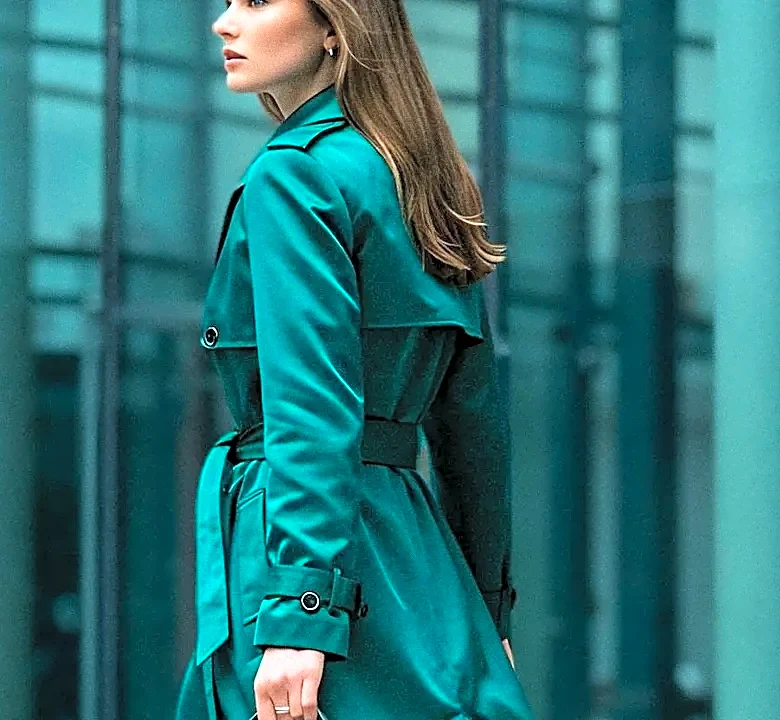
The rain jacket’s journey into the American closet began with classics borrowed from our European counterparts. The trench coat, which evolved from waterproofed military coats for British officers in World War I, became a symbol of worldly sophistication and resilience. Popularized by Hollywood icons, it was the definitive choice for looking sharp in a downpour. But as the 20th century progressed, a distinctly American flavor began to emerge. The focus shifted from the formal polish of a trench to the rugged utility of oiled or waxed cotton jackets, originally worn by fishermen and sailors. These garments prioritized durability and function, setting the stage for a new kind of style icon to emerge from a place far from the fashion runways: the great outdoors.
The Rise of 'Gorpcore'
In recent decades, the most influential rain jacket hasn't been a classic trench but the technical shell from brands like Patagonia, The North Face, and Arc'teryx. This shift is central to a trend dubbed "gorpcore," a name derived from the hiker's snack acronym "Good Ol' Raisins and Peanuts." The style involves wearing functional, performance-oriented outdoor gear in everyday urban settings. A brightly colored shell jacket, once reserved for the trail, is now common at brunch or on the subway. This isn't just about staying dry; it’s about aspiration. Wearing a high-tech rain jacket from a respected outdoor brand subtly communicates a lifestyle and a set of values—an appreciation for nature, an active life, and an investment in quality gear. It has become so ubiquitous that it's less a trend and more a permanent fixture of modern style.
A Quiet Kind of Status
While a European luxury brand might shout its status with conspicuous logos, the American rain jacket often whispers. A high-end Arc'teryx shell or a Patagonia fleece-lined jacket is a form of quiet luxury. It's an "if you know, you know" item. The value isn't in a flashy insignia but in the performance of the fabric, the precision of the seam-sealing, and the reputation of the brand for durability and, often, environmental ethics. Owning the right rain jacket suggests you've done your research and invested in quality that lasts. It implies you're not just following a fleeting trend but making a sensible, long-term purchase. This aligns perfectly with a certain American ideal of smart consumerism, where the best product is the one that works flawlessly and doesn't need to be replaced.