






First, What Is ‘Soft Summer’?
Before diving into the debate, let’s get on the same page. In seasonal color analysis, Soft Summer is one of three summer types. Its defining characteristics are being primarily 'soft' or muted, and secondarily 'cool'. Think of a landscape on a misty,
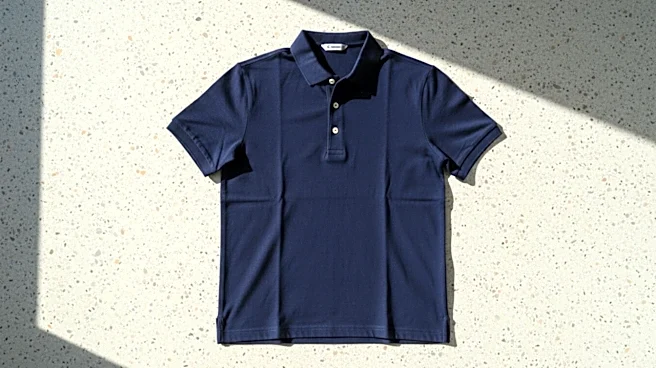
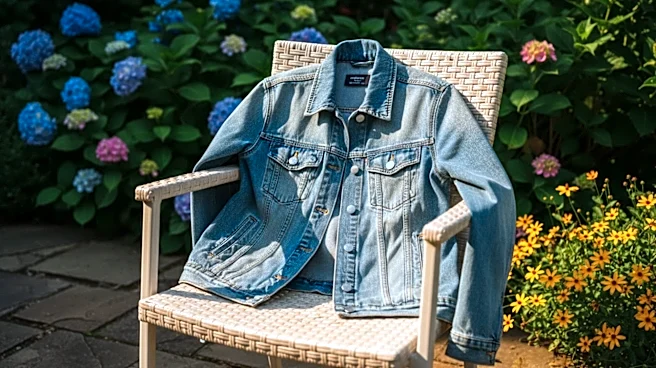
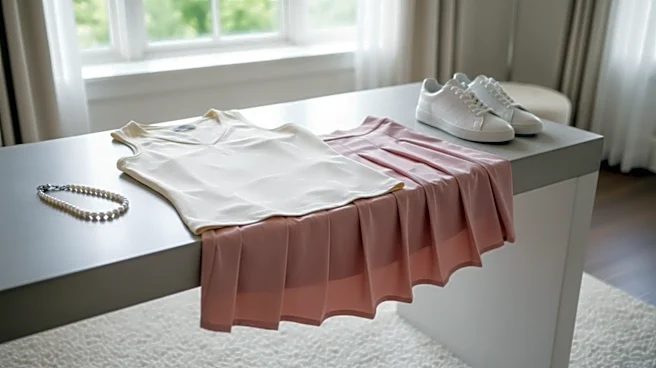
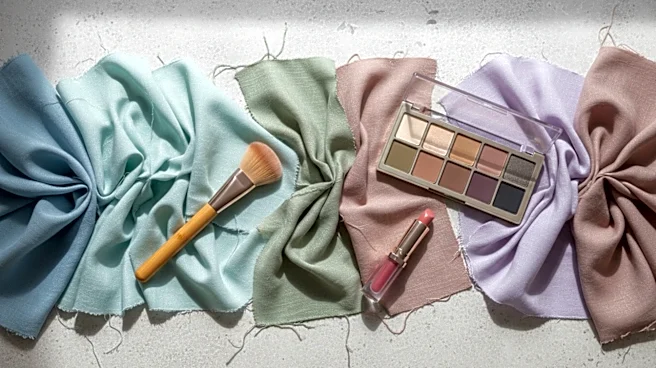
overcast day. The colors aren’t bright or sharp; they’re gentle, blended, and complex. Key traits include low contrast between hair, skin, and eyes, and a preference for colors that are desaturated or have a bit of gray mixed in. The palette is filled with shades like dusty rose, smoky teal, mauve, and slate blue. Bright, stark colors like black, optic white, and neons are typically considered overwhelming for this type.
The Core of the Conflict: Cool vs. Neutral
Here’s the crux of the disagreement: Soft Summer sits in a tricky spot on the seasonal color wheel, right next to Soft Autumn. While all Summer palettes are fundamentally cool, Soft Summer is the most neutral of the bunch. Its primary characteristic is being muted, not cool. This creates a fundamental tension that stylists interpret differently. Some focus on the 'Summer' aspect, emphasizing the cool, blue-based colors like lavender and periwinkle. Others lean into the 'Soft' aspect, recognizing that its proximity to Autumn means it can handle colors that are less obviously cool and more neutral. This is why one Soft Summer's recommended palette might look distinctly cooler and another's might feel more earthy—both are valid interpretations of a complex season.
The ‘Borrowed From Autumn’ Effect
Because Soft Summer is a bridge between the cool Summer family and the warm Autumn family, it has what’s known as a “flow” into Soft Autumn. The two seasons are sisters, both defined by being muted. The main difference is that Soft Summer leans cool, while Soft Autumn leans warm. However, this shared softness means a Soft Summer can often successfully 'borrow' some of the cooler, more muted shades from the Soft Autumn palette. Think of colors like muted sage, taupe, and even some soft, earthy pinks. This is where the disagreement among stylists becomes most apparent. A purist might forbid anything with a hint of warmth, sticking to strictly cool tones. A more flexible analyst, however, will recognize that this neutral-cool season has a wider range and can look wonderful in colors that have a whisper of earthy warmth, as long as they remain soft and muted.
It’s About Nuance, Not Rules
Ultimately, color analysis isn’t about fitting people into rigid boxes. Individuals classified as Soft Summer can have a wide range of skin, hair, and eye colors. Some may have skin with clearly cool, pinkish undertones, while others might have neutral or even olive tones. A person who is very close to the True Summer border will shine in the cooler, bluer side of the palette. Someone else might be just a step away from Soft Autumn, looking their best in the more neutral, slightly warmer shades. The best stylists understand this and treat the palette as a starting point, not a set of unbreakable laws. They know that a person’s unique coloring, contrast levels, and even personal style all play a role in finding their most flattering colors.