






The End of the ‘Andy Trilogy’ Was Just the Beginning
The first three *Toy Story* films form one of modern cinema’s most perfect trilogies. It was a complete, self-contained story about childhood, loyalty, and the bittersweet pain of growing up. When Andy drove away to college, leaving his beloved toys with
Bonnie, it felt like a definitive ending. For the millennial audience who grew up with Andy, it mirrored our own transitions into adulthood. Then came *Toy Story 4*, a film many felt was an unnecessary epilogue. It addressed the “empty nest” phase, with Woody struggling to find purpose after his kid no longer needed him. While divisive, it opened a door the original trilogy had kept shut: what happens *after* your primary purpose is fulfilled? *Toy Story 5* can’t go backward. It has to walk through that door, leaving the nostalgia of Andy’s room far behind and stepping into the far more complex territory of mid-life identity.
A Tale of Two Fates: Woody vs. Buzz
The most significant development from the last film was the fracturing of its central duo. Woody chose a new life as a “lost toy,” helping prizes find kids at a carnival, while Buzz remained a traditional toy with Bonnie. This split isn't just a plot point; it's a profound thematic fork in the road. It externalizes an internal debate many adults face: do you find new meaning by radically changing your life, or do you find it by recommitting to your existing role? Woody’s path is one of nomadic reinvention, free from the existential dread of being forgotten in a closet. Buzz’s is one of steadfast loyalty, even as the child he belongs to inevitably ages out of him. *Toy Story 5* is almost certain to explore the consequences of these two opposing philosophies. For parents watching, this isn't just about two toys. It’s a reflection of career changes, evolving friendships, and the search for relevance long after youth has faded.
The New Definition of Obsolescence
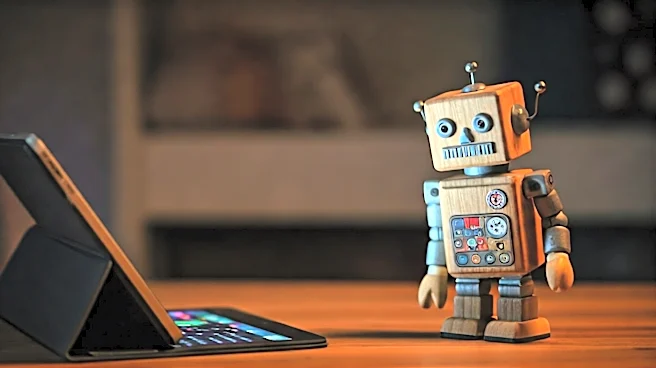
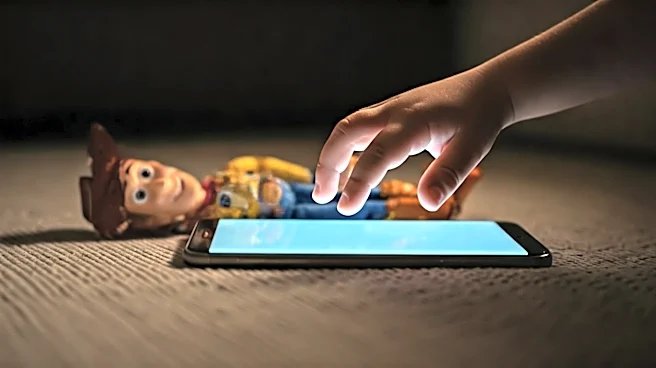
In 1995, the greatest threat to a toy was a newer, cooler toy with lasers and pop-out wings. In the 2020s, the threats are far more abstract and insidious. What does it mean to be a physical toy in an era of iPads, TikTok, and the metaverse? *Toy Story 5* has the chance to tackle a theme that is squarely on the minds of modern parents: the changing nature of play itself. The new antagonist might not be a jealous pull-string doll but the alluring glow of a screen. Imagine Woody and Buzz trying to capture a child’s attention when their competition is an endless scroll of algorithm-driven content. This sets up a conflict that kids will understand on a surface level (toys vs. tablet) but that parents will feel on a much deeper one. It becomes a conversation piece about parenting philosophies, screen time limits, and the fear that you’re losing your child to a digital world you don’t fully understand. That’s the kind of topic you dissect over a glass of wine after the credits roll.
A Film Intentionally Made for Two Generations
Pixar is run by some of the smartest storytellers on the planet. They are keenly aware that the kids who saw the first *Toy Story* in theaters are now in their late 30s and early 40s, many with children of their own. *Toy Story 5* isn’t just for a new generation of kids; it’s for us. It’s the first film in the series that can be intentionally constructed as a true dual-narrative experience. For children, it will be a classic adventure with familiar, funny characters. For adults, it has the potential to be a poignant meditation on legacy, aging, and what it means to live a good life after the main act is over. The emotional gut-punch of *Toy Story 3* came from looking back at a childhood that was over. The power of *Toy Story 5* could come from looking ahead at the uncertain, complicated, and often scary expanse of adulthood that remains.