






The Culprit Behind Cracked Graphics
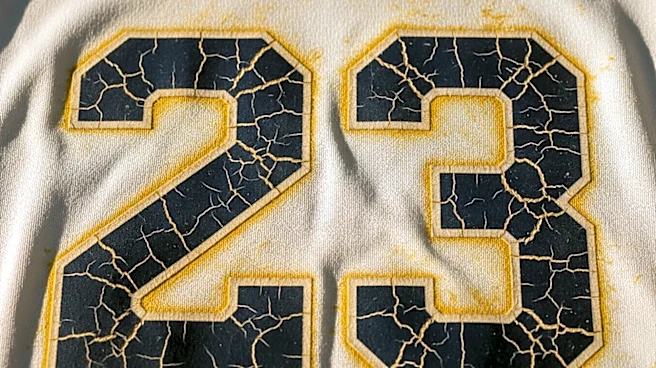
The crisp numbers, names, and logos on a jersey are often made from heat-applied vinyl or screen-printed plastisol ink. While durable, these materials have a weakness: they hate stress, especially from heat and folding. The most common mistake is storing
a jersey folded along the graphics. Over time, this creates a permanent crease that weakens the material, leading to splits and cracks. High heat is another enemy. Storing jerseys in a hot attic or, even worse, running them through a high-heat dryer cycle, can make the flexible print brittle and prone to breaking. Even washing habits contribute; hot water and harsh detergents can degrade the ink's bond with the fabric over washes. The single most effective preventative measure is to always wash jerseys inside-out in cold water and to avoid the dryer entirely, opting to air dry instead.
Why Pristine Whites Turn Yellow
That brilliant white panel on a jersey is susceptible to a process called oxidation, a slow chemical reaction that turns the fabric yellow over time. This process is accelerated by several common storage errors. One of the biggest offenders is exposure to UV light. Storing a jersey where it's hit by direct or even indirect sunlight will cause the fabric’s fibers, particularly natural ones like cotton, to yellow. Another major cause is storing garments in the wrong materials. The plastic bags from the dry cleaner are meant only for transport; left on long-term, they trap moisture and can release a chemical called BHT that directly causes yellowing. Cardboard boxes are also problematic, as they can transfer acid to the fabric over time. Finally, unseen residues from sweat, body oils, or even too much detergent can oxidize and create stubborn yellow stains, especially around the collar and underarms.
The Archival Method: Proper Jersey Storage
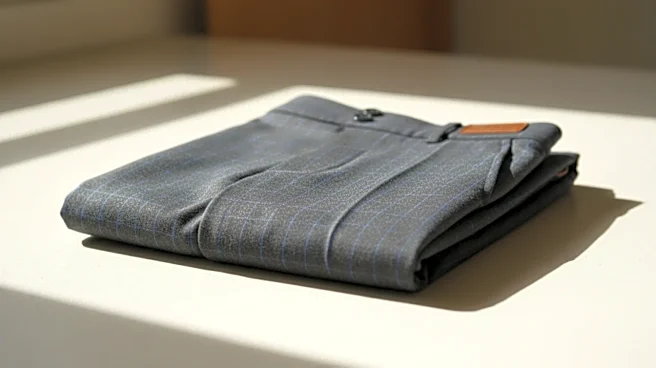
Preserving your collection doesn't require a museum-grade facility, just the right approach. The ideal storage environment is cool, dark, and dry, with stable temperature and humidity. Avoid attics and basements where conditions fluctuate. For hanging, ditch the wire hangers, which can cause rust stains and create stress points on the shoulders. Instead, use wide, padded hangers. If you're storing for the long term, folding is often safer than hanging, as it prevents gravity from stretching the fabric over years. The key is to fold items carefully, using acid-free tissue paper between the folds to prevent creasing on the graphics and to buffer against any residual moisture. Place the folded jersey inside a breathable cotton garment bag or an acid-free archival box. These materials protect from dust while allowing air to circulate, preventing the moisture buildup that leads to mildew and yellowing.
Your Preservation Checklist: Key Dos and Don'ts
To keep it simple, here are the core rules for making your jerseys last. DO wash them inside-out with cold water and a mild detergent. DO air dry them on a padded hanger or flat, away from direct sunlight. DO store them in a climate-controlled closet. DO use acid-free boxes and tissue paper for long-term storage. DON'T ever use the dryer. The high heat is the primary cause of cracking and peeling graphics. DON'T store jerseys in the plastic bags from the dry cleaner, which trap humidity and cause yellowing. DON'T use wire hangers that can stretch and stain the fabric. And DON'T store them in direct sunlight, which fades colors and damages fibers.