






The Original Unbreakable Vow
For its first two installments, the *Toy Story* universe operated on a single, beautiful principle: toys stick together. “You’ve Got a Friend in Me” wasn’t just a catchy theme song; it was the series’ constitution. Woody and Buzz’s journey from bitter
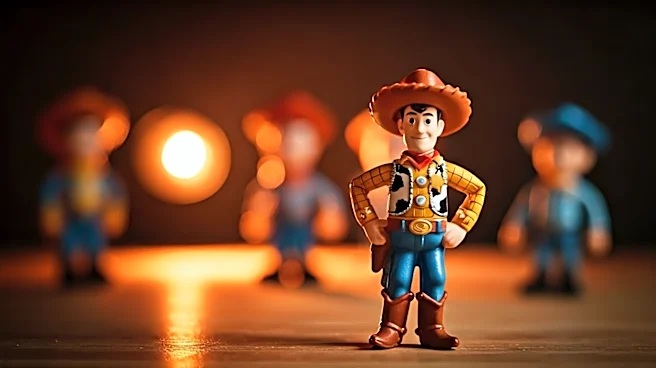
rivals to inseparable best friends defined the emotional core. Their friendship was a given, an anchor in a world of neighborhood bullies, oblivious owners, and the existential dread of being forgotten. The central conflict was never *if* they would be friends, but how they would overcome external threats to preserve their family unit. When Woody faced the choice between a pristine life in a Japanese museum and a future of being played with—and eventually broken—he chose his friends. He chose Buzz, Jessie, and the rest of the gang. The promise was simple, and it was absolute.
The Perfect Goodbye, Twice
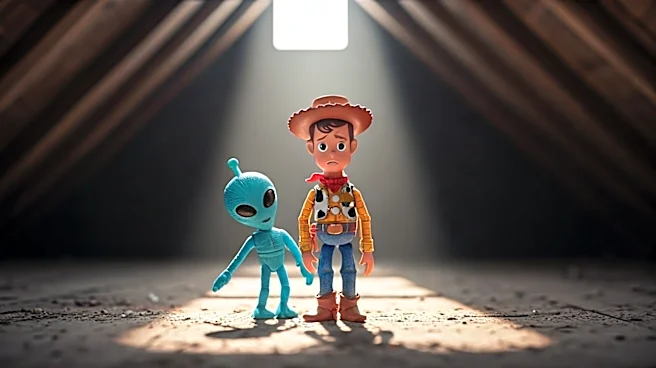
*Toy Story 3* felt like the ultimate fulfillment of that promise. Facing their own mortality in a furnace, the toys didn’t scramble or blame. They held hands and faced the end together. It’s one of the most emotionally devastating and powerful moments in modern animation. Their subsequent rescue and handover from a college-bound Andy to a wide-eyed Bonnie wasn't a sad ending but a triumphant transition. The friendship didn't end; it was passed on. The family remained intact, their purpose renewed. It was, by all accounts, a perfect ending. Then, nine years later, *Toy Story 4* delivered another one. This time, however, the conclusion was different. It suggested that sometimes, the ultimate act of friendship is letting go. Woody, after a lifetime of devotion to a child, chose himself. He chose a new life with Bo Peep, becoming a “lost toy” and saying a heart-wrenching goodbye to Buzz Lightyear, his closest companion. “He’ll be okay,” Woody says, as much to convince himself as his friends. It was a mature, bittersweet finale that honored Woody's character arc.
The Fork in the Road
And that’s the fundamental problem facing *Toy Story 5*. The franchise has already provided two of the most satisfying conclusions in cinematic history, each one built on a different interpretation of its core theme. *Toy Story 3* was about a friendship that endures through change. *Toy Story 4* was about a friendship that evolves into a respectful separation. By splitting up Woody and Buzz, the storytellers made a bold choice: they prioritized individual growth over the group’s cohesion. They fundamentally challenged the “never leave a toy behind” ethos that drove the first three films. To bring Woody back into the fold now risks cheapening the emotional weight of that decision. A simple “just kidding, I miss you guys!” reunion would feel like a narrative retreat, undermining the poignant maturity of the fourth film’s ending. It suggests that Woody's self-discovery was a mistake, a temporary phase rather than a permanent evolution.
What Does Friendship Mean Now?
So, how can *Toy Story 5* honor its own legacy? The hardest promise to keep isn’t just about friendship, but about what that friendship *means*. A new adventure that conveniently throws Woody and Buzz back together for one more romp feels like the easiest—and least interesting—path. The real challenge is to tell a story where “You’ve Got a Friend in Me” can be true even across distance. Can Buzz and Woody’s bond remain a driving force without them sharing the screen for 90 minutes? Perhaps the story isn't about them physically reuniting, but about their ideals colliding or converging from afar. The film has to justify its own existence by finding a new, more complex definition of loyalty. It must explore a friendship that has weathered not just rivalries and dangers, but the quiet, realistic tragedy of growing apart. Without a compelling answer to that question, the film risks turning its most iconic promise into an empty refrain.