









An Architectural Marvel on the Skyline
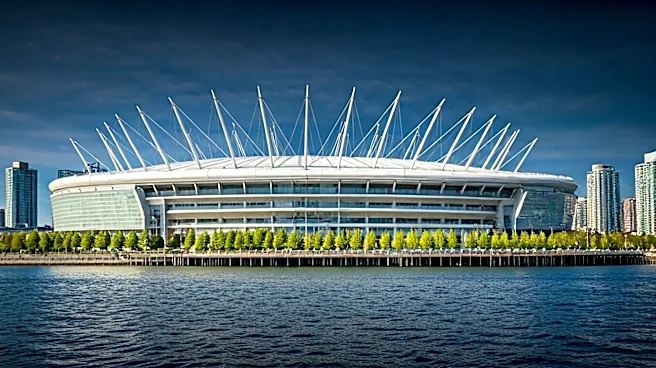
First, you can't talk about BC Place without talking about its roof. When it was renovated after the 2010 Winter Olympics, the old air-supported dome was replaced with the largest cable-supported retractable roof in the world. This engineering marvel
allows the stadium to transform from a cozy indoor arena to an open-air cathedral in about 20 minutes, with the fabric roof tucking neatly into a central pod above the giant videoboard. This gives it a significant advantage over many of the open-air stadiums in the U.S. and Mexico, offering guaranteed protection from Vancouver's famously unpredictable weather without sacrificing the potential for a big-game atmosphere under blue skies. While FIFA will make the final call on whether the roof is open or closed on match days to ensure pitch quality, the sheer visual drama of the structure, with its 36 steel masts and translucent panels, makes it an instant icon.
A Downtown Stadium Experience
While many modern stadiums are built in sprawling suburban lots, BC Place is a distinctly urban venue. Situated on the north side of False Creek in downtown Vancouver, it's woven into the fabric of the city. This location is a game-changer for the fan experience. Instead of being isolated, attendees are within walking distance of hotels, restaurants, and major transit hubs like the SkyTrain. FIFA is even leaning into this, encouraging a "Last Mile" fan walk that follows the waterfront from the train station to the stadium. This urban integration promises a festival-like atmosphere that extends far beyond the stadium gates, turning the entire city into part of the event—a stark contrast to the car-centric experiences at many other North American venues. The city will also host a massive, free FIFA Fan Festival at Hastings Park, further cementing the city-wide celebration.
The Great Grass Challenge
Ironically, one of the stadium's most distinct features for 2026 is something it doesn't normally have: natural grass. Like several other venues in the tournament, BC Place is traditionally a turf facility. Meeting FIFA's strict requirement for a natural playing surface inside a domed stadium has become a massive technical undertaking. A custom, locally grown pitch of Kentucky bluegrass and perennial ryegrass has been installed on a platform raised about 18 inches above the artificial turf. To keep the grass alive and in perfect condition without consistent direct sunlight, the stadium is using an arsenal of technology, including powerful grow lights, advanced irrigation, and vacuum ventilation systems. This complex—and expensive—process of creating a temporary, world-class field indoors makes Vancouver's pitch one of the most unique and highly engineered of the entire tournament.
A Legacy of Hosting Big Moments
BC Place isn't a new stadium built just for the World Cup; it's a venue with a rich history. Since opening in 1983, it has been at the center of British Columbia's biggest moments, including the opening and closing ceremonies of the 2010 Winter Olympics and the final of the 2015 FIFA Women's World Cup. It holds the attendance record for any Canadian national team game, for any sport. This history adds a layer of character that brand-new facilities often lack. Extensive renovations for 2026 have upgraded everything from locker rooms and hospitality suites to accessibility and technology, ensuring it remains a world-class venue. But it's this blend of modern amenities with a four-decade legacy of hosting major global events that gives it a unique and storied atmosphere.