





The Visual Frame Game
First, there’s the literal, visual framing. The show’s cinematography, overseen in its formative seasons by Chris Teague, constantly plays with perspective to comment on the characters' relationships. Influenced by classic noir and Hitchcock films like
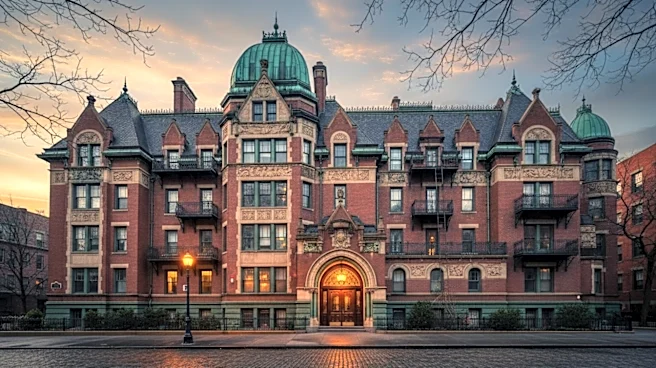
Rear Window, the camera often uses wide angles and specific positioning to create a sense of voyeurism and isolation. One moment, Charles, Oliver, and Mabel are clustered together in a tight, conspiratorial frame, united in their purpose. The next, a character might be shot alone, physically separated from the others by a doorway or window, visually representing a secret they’re keeping or a suspicion they harbor. The Arconia itself, with its many windows and hidden spaces, becomes a character that both unites and divides them. Handheld shots are used subjectively to signal a character's memory or unease, making the audience question what's real. This visual language ensures we’re never quite sure if the trio is a team, a collection of individuals, or a mix of both at any given moment.
A Chorus of Unreliable Narrators
The show’s most distinctive structural element is its use of framing through voiceover. Each episode is typically narrated by a different character, giving us direct access to their inner thoughts. This isn't just a stylistic quirk; it's a masterclass in managing information and generating suspense. When Charles narrates, we’re privy to his anxieties and his past as has-been actor Brazzos. When Oliver takes the lead, we’re swept up in his theatrical flair and financial desperation. Mabel’s perspective is often more guarded, colored by past trauma. This constant shifting of perspective means the audience always knows a little more than some characters but never the full story. A character’s narration can mislead us, omit crucial details, or reveal a bias we didn't know they had. The device reaches its apex in episodes like Season 1's “The Boy from 6B,” which is told almost entirely from the perspective of a deaf character, Theo, forcing the audience to experience the world and the mystery through his eyes, radically reframing our understanding of events.
Framed for Murder, For Real
Finally, there’s the most direct form of framing: the plot itself. In nearly every season, one or more members of the trio end up being literally framed for the central murder. This isn't just a convenient mystery trope; it's the engine of their emotional conflict. The external accusation forces internal doubts to the surface. Can Charles and Oliver really trust Mabel, the young woman with a mysterious past? Can Mabel trust these two older men she barely knows? The threat of prison and public disgrace acts as a pressure cooker, testing the still-forming bonds of their friendship. Their attempts to clear their names are constantly hampered by the secrets they keep from one another. Each lie of omission, each hidden clue, puts them further off-balance. This cycle of accusation and exoneration ensures their relationship is never allowed to become too comfortable, mirroring the very nature of a murder investigation where trust is a liability until the final reveal.
A House of Mirrors
These three layers of framing—visual, narrative, and plot—work in concert to create a sophisticated house of mirrors. The visual language makes us question what we’re seeing. The shifting narrators make us question who we should believe. And the recurring plot device of the trio being framed makes them question each other. This is why the show feels so dynamic. The central conflict isn't just solving the murder of the week; it's the ongoing, unresolved mystery of whether this unlikely friendship can survive the constant pressure of secrets, lies, and suspicion. The emotional off-balance feeling is the point. The show argues that real connection isn't about perfect trust, but about the messy, ongoing effort to find steady ground with the people you choose to let into your life, even when everything around you is designed to make you fall.