


A Dreamlike Vision
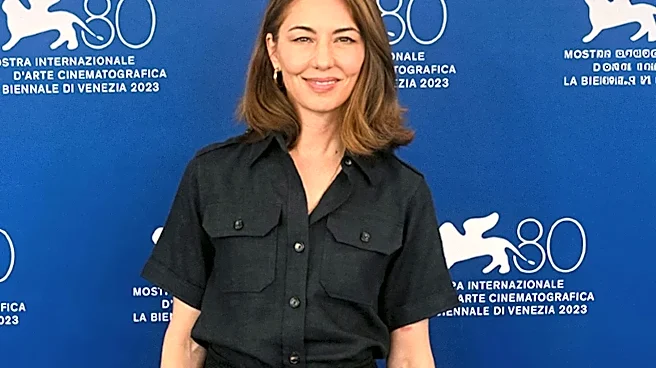
Before she was the Oscar-winning force behind films like Lost in Translation, Sofia Coppola was a 27-year-old artist trying to make her feature directorial debut. After reading Jeffrey Eugenides' 1993 novel, The Virgin Suicides, she knew she had found
her story. Coppola said she immediately saw how the story needed to be told, focusing on themes of memory, distance, and the hazy, melancholic mystery of adolescence. She wrote a script on spec and, with the backing of her father Francis Ford Coppola's company American Zoetrope, she set out to create a film defined by a distinct, sun-drenched 1970s aesthetic, a dreamy shoegaze sensibility, and a deep empathy for its trapped, ethereal protagonists, the five Lisbon sisters. Her vision was clear, personal, and poetic—a stark contrast to the commercial sensibilities of mainstream Hollywood.
Studio Panic Sets In
Coppola delivered a film that was faithful to her artistic intentions, but the studio that had agreed to release it, Paramount Classics, was terrified. The central plot, which revolves around the successive suicides of five teenage sisters, was seen as an insurmountable commercial and public relations risk. In interviews years later, Coppola revealed the studio's core fear: they were afraid the film would inspire copycat suicides among young girls. This concern, now echoed in modern debates around shows like 13 Reasons Why, led the executives to believe the film was not just unmarketable, but dangerous. They didn't know what to do with the finished product, which they viewed as dark, depressing, and lacking any clear commercial hook. The project, once a promising debut, was suddenly in peril, facing the very real possibility of being buried.
A Dismal Release, A Slow Awakening
The studio's fear translated into a near-invisible release strategy. Rather than shelving it completely, Paramount Classics gave The Virgin Suicides a minimal, half-hearted theatrical run in the spring of 2000. Coppola herself has described it as having "a really small release" and lamented that it "didn't have much of a life at the time it came out." The film was made on a small budget, so the studio wasn't risking a massive financial loss, allowing them to effectively abandon it with little promotion. The initial box office was, unsurprisingly, a disappointment, grossing just under $5 million in the U.S. and barely making back its budget worldwide. For a moment, it seemed the studio's commercial anxieties had become a self-fulfilling prophecy. The film that was meant to launch a career was gone from theaters almost as soon as it arrived.
A Second Life and Enduring Legacy
But a film this unique was never destined to stay buried. Despite the studio's neglect, The Virgin Suicides found its audience. Following its premiere at the Cannes Film Festival, it received critical support that helped build its initial reputation. Over the next decade, the film cultivated a devoted following through home video and word-of-mouth, becoming a true cult classic. Coppola has expressed her surprise and happiness at its longevity, noting that years after its release, people began telling her their teenage daughters loved the movie. This 'second life' proved that the film's themes of female isolation, adolescent longing, and suburban ennui resonated deeply across generations. Its inclusion in the prestigious Criterion Collection in 2018 cemented its status not as a commercial risk, but as a pivotal piece of American independent cinema and the start of one of the most distinctive directorial careers of the 21st century.