


First, Choose Your Memory
The first step is selecting a feeling or moment to embody. Don't think in terms of famous events; think in terms of personal history. What does the 'first day of summer vacation' look like as a color palette? What textures represent 'a rainy afternoon
reading a book'? Maybe it's a specific, tangible memory: your fifth birthday party, a first concert, or learning to ride a bike. The more specific and emotionally resonant the memory is for you, the more details you'll have to pull from. A great starting point is to find an old photograph that evokes a strong feeling. The faded colors, the style of the clothes, and the mood of the image can be the entire foundation for your costume.
Build a Ghostly Color Palette
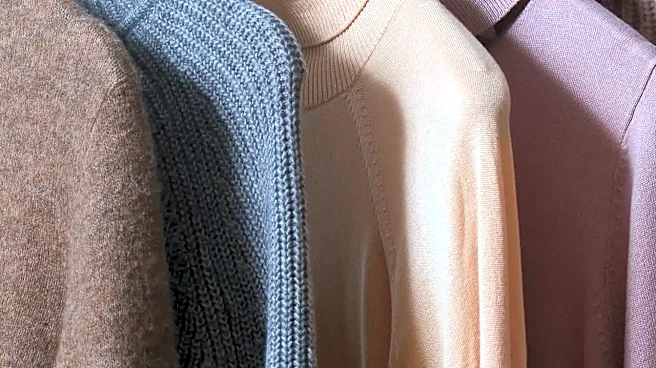
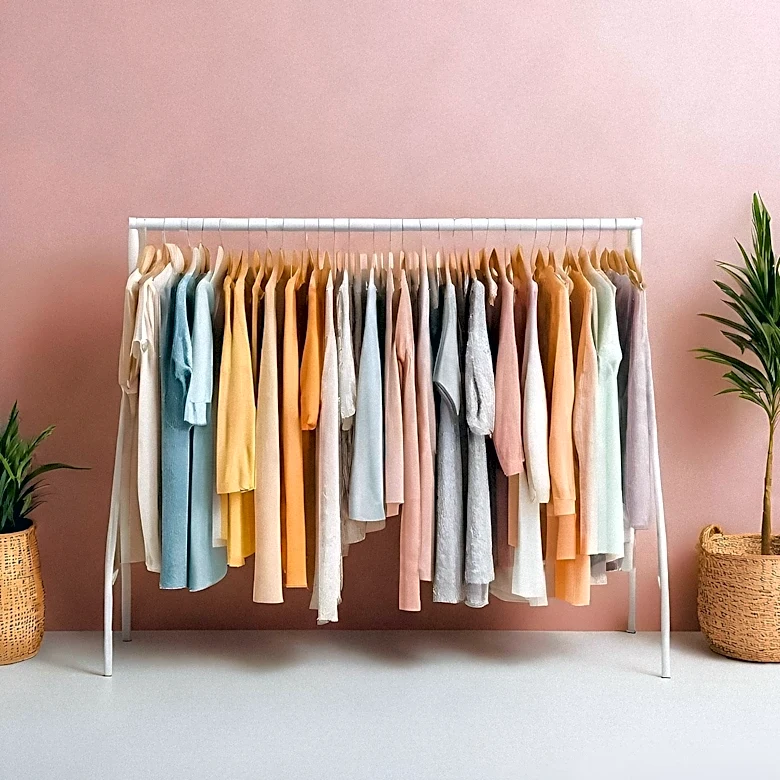
Memories aren't rendered in HD. They’re often faded, over-exposed, or cast in a nostalgic glow. Your color palette should reflect this. Think about the way old photos look: sepia tones, washed-out blues, and soft, buttery yellows. You can achieve this by starting with clothing in muted colors like beige, cream, gray, or pastels. To give new clothes an aged look, you can use several DIY techniques. Soaking a garment in a weak tea or coffee bath will give it a natural, sepia-toned stain. For a more faded appearance, a heavily diluted bleach solution or even a soak in vinegar water can subtly lift the original dye. The goal isn't to look dirty, but to look like a distant, sun-bleached recollection.
Play with Texture and Layers
Memories are layered and sometimes unclear. Use fabric to tell that story. Sheer materials like tulle, organza, or chiffon are your best friends here. A tulle overlay skirt can make a simple dress look ethereal and dreamlike. A sheer blouse worn over another top can create a 'blurry' effect, as if the image is just coming into focus. You can also distress fabrics to show the passage of time. Use fine-grit sandpaper to gently wear down the knees of jeans or the elbows of a jacket. Tearing the hem of a cotton dress or pulling threads from a knit sweater can add a touch of beautiful decay. The contrast between soft, flowing fabrics and roughed-up textures will make the costume more visually interesting.
Accessorize with Specific Clues
While the overall look is abstract, the accessories are where you can ground your costume in specific details. These are the tangible artifacts of your chosen memory. If your memory is 'first beach trip', you could weave tiny seashells into your hair or carry a vintage-style tin pail. For a 'high school prom' memory, you might wear a wilted-looking corsage on your wrist and have a faded-looking 'prom king' sash. These small props act as anchors for your concept. Consider pinning a few physical items to your outfit: a faded ticket stub, a pressed flower, a small, old-fashioned key, or a page from a favorite book. These clues invite people to look closer and ask about the story you're telling.
Use Makeup to Set the Mood
Your makeup should complete the ethereal, washed-out effect. Avoid sharp, modern makeup trends like winged eyeliner or heavy contouring. Instead, opt for a softer, more blended look. A dusting of white or translucent powder can give your skin a paler, more ghostly pallor. Use muted, brownish-red tones on your lips and cheeks to mimic the look of a hand-tinted photograph. Another effective technique is to use soft, grey, or taupe eyeshadow to create subtle hollows under your eyes and cheekbones, giving you a haunting, hollowed-out appearance without looking like a full-on zombie. A little bit of shimmer or highlighter on the high points of the face can also create a dreamlike, otherworldly glow.