








The Underdog Venue
When the hosts for the 2026 World Cup were announced, much of the California spotlight naturally fell on Los Angeles and its gleaming, multibillion-dollar SoFi Stadium. The Bay Area’s venue, Levi's Stadium in Santa Clara, was a world-class facility that
had hosted a Super Bowl, but it was often viewed as a solid, if less spectacular, counterpart. Located 45 miles south of San Francisco in the heart of Silicon Valley, its location was sometimes seen as a bug, not a feature. But as the tournament unfolded, the narrative began to shift, revealing a story of quiet competence and strategic advantage.
Playing FIFA’s Game
A key part of the venue’s story is its seamless compliance with FIFA's stringent regulations. The global soccer governing body requires a “clean stadium,” free of non-official sponsors. That meant the iconic Levi’s branding had to disappear, with the venue temporarily renamed the generic “San Francisco Bay Area Stadium.” While this happened at venues across North America, the Bay Area organizers embraced the change with minimal fuss, transforming the stadium to meet every one of FIFA's exacting standards. This included everything from covering logos on ketchup bottles to rebuilding locker rooms to ensure absolute neutrality. This willingness to play by FIFA’s rules was a crucial, if unglamorous, step in securing and successfully executing its host duties.
A Slate of Surprising Success
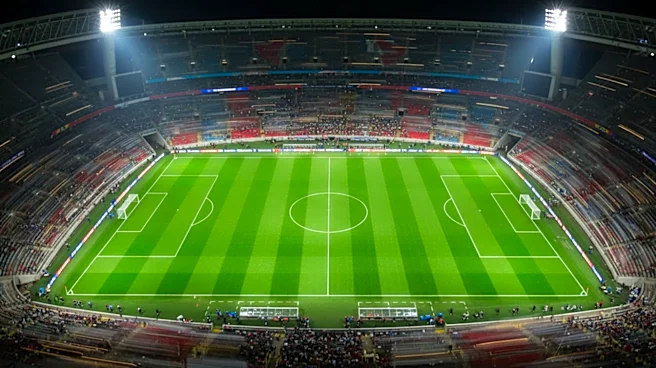
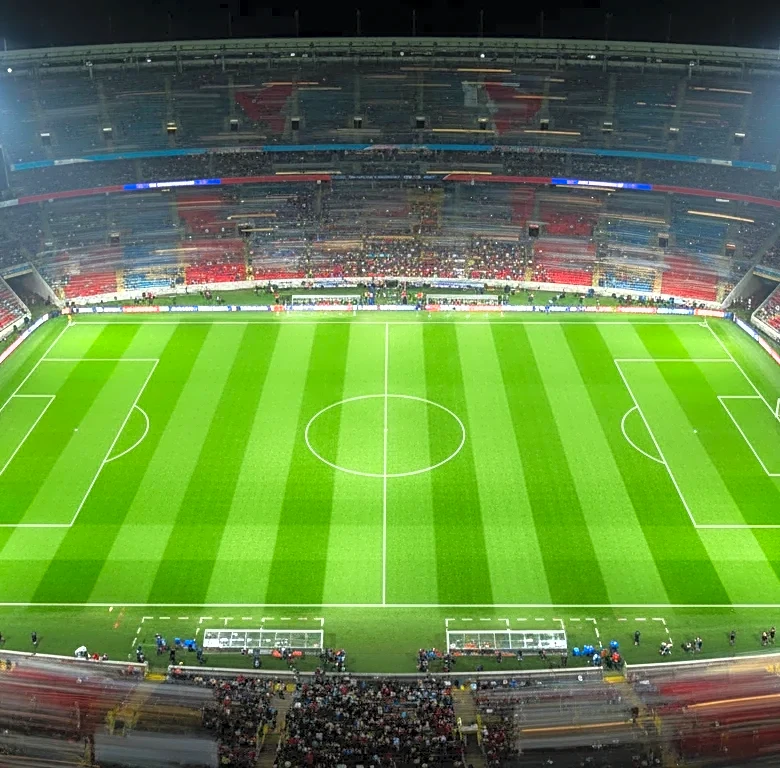
The stadium ended up hosting a robust schedule of six matches, including five group-stage games and a thrilling Round of 32 knockout match. These games were a resounding success, drawing an average of over 68,000 fans per match, representing nearly 100% capacity. The tournament run culminated in a memorable sell-out for the USA’s victory over Bosnia and Herzegovina. For a venue that wasn’t initially at the center of the World Cup conversation, securing a knockout game featuring the home nation and executing it flawlessly was a major triumph that showcased the region's organizational strength.
The Silicon Valley Advantage
The stadium's location proved to be a hidden strength. Nestled in Silicon Valley, it's a modern facility known for its technological infrastructure and sustainability features, including a green roof and solar panels. Its proximity to a major international airport in San Jose and robust public transit options made it highly accessible for the tens of thousands of international fans who descended on the region. This blend of world-class tech, a diverse local population, and proven logistical capabilities for major events like the Super Bowl created a perfect, if unexpected, environment for hosting the world’s biggest sporting event.