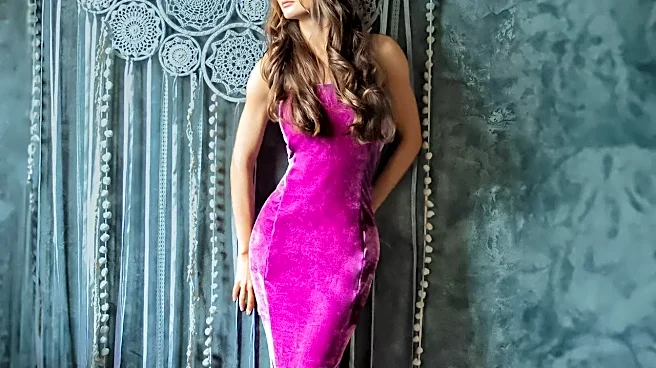





At first glance, a column dress looks like the essence of simplicity—a clean, straight line. A full skirt, by contrast, seems like more dress. But in the world of garment design, creating that perfect, simple column is often a greater feat.
The Illusion of Simplicity
A full, A-line,
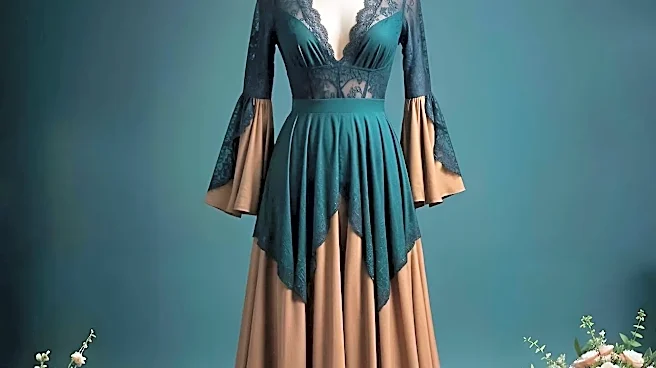
or ball gown skirt creates its shape through volume. The sheer amount of fabric, gathered or pleated at the waist, is what gives it a dramatic silhouette. This style is forgiving; the folds and flow of the fabric can hide a multitude of construction sins and move easily with the wearer. A column dress has no such luxury. Also known as a sheath, this silhouette is defined by its narrow shape that runs vertically from the shoulders to the hem. Because it lacks volume, its success depends entirely on how perfectly it's constructed to skim the body. Any pulling, bunching, or sagging is immediately obvious. It's an exercise in control, not abundance.
It Starts with the Fabric
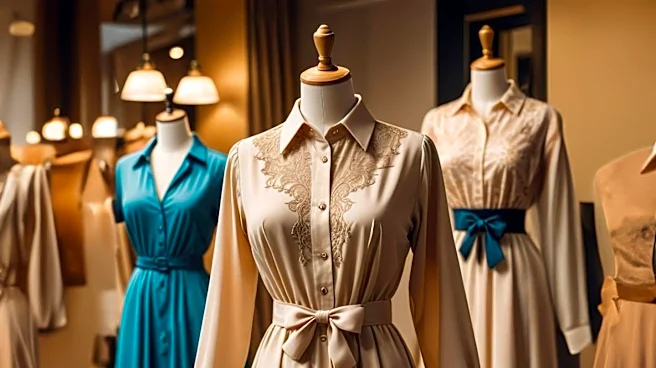
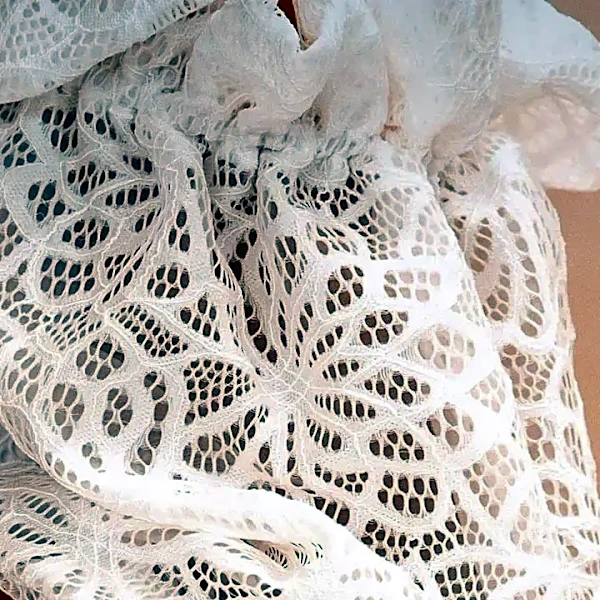
The first structural decision is fabric choice. For a full skirt, you can use anything from lightweight tulle to heavy satin. The silhouette is created by the volume, not the material's inherent stiffness. For a column dress, the fabric is critical. A structured material like a heavy crepe, brocade, or Mikado satin can create a clean, architectural line on its own, helping the dress hold its shape and glide over the body rather than clinging. Softer fabrics like jersey or stretch crepe will hug the body more closely, but they also reveal every contour, making the underlying fit even more important. The 'drape,' or how a fabric hangs under its own weight, determines whether the final look is fluid or architectural. A column dress requires a fabric with just the right balance to look effortless.
The Unseen Architecture
Here’s where the real secret lies: the internal structure. To prevent a column dress from collapsing, wrinkling, or clinging awkwardly, designers build a hidden framework. This can include a full lining, which helps the dress slide over the body, and interfacing, a supportive layer ironed or sewn onto the main fabric to add rigidity in key areas. For strapless or form-fitting bodices, 'boning' is essential. These are semi-rigid strips, traditionally made of whalebone but now usually plastic or steel, sewn into channels inside the dress. Boning acts like a skeleton for the garment, helping it maintain its vertical shape, prevent bunching at the waist, and support the bustline without relying on straps. This internal construction ensures the dress maintains its clean, straight line even as the wearer moves.
The Freedom of a Full Skirt
A full skirt, by its very nature, needs less of this intensive internal engineering. Its structure comes from the way the fabric is cut and gathered. The silhouette isn't designed to sit close to the body; it's designed to stand away from it. A full skirt works with gravity and movement, creating its own shape through flow and volume. While a high-quality ball gown will still have structured elements in the bodice, like boning, the skirt itself is free. Its job is to be voluminous and dramatic, not to maintain a precise, narrow line against the body. In a column dress, the structure fights gravity to create a perfect line; in a full skirt, the structure is created by the abundant fabric falling with gravity.