





More Than a Game
For much of the world, soccer—or football, as it's almost everywhere else—is not merely a sport; it is woven into the very fabric of cultural and national life. In the United States, sports fandom is intense but often fractured by region and code. The
Super Bowl and World Series are massive events, but they are competitions between city-based franchises. The World Cup is different. It elevates the competition from club to country, transforming athletes into avatars of the nation itself. This provides a rare opportunity for a country to showcase its identity on a global stage, with the team's performance reflecting the nation's spirit, resilience, and pride.
The National Team as 'Us'
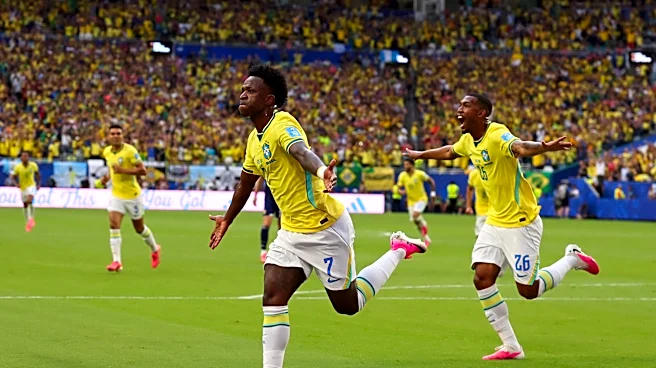
During a World Cup, the national team becomes a unifying symbol, temporarily erasing the political, social, and economic divides that may otherwise define daily life. The pronouns of fandom shift dramatically. When a local club loses, fans say, "They lost." But after a national team victory, the entire country proclaims, "We won." This psychological phenomenon, known as "basking in reflected glory," is about expanding our personal identity to include the successful group. The team's journey becomes the nation's story, a shared experience that fosters a powerful sense of belonging and togetherness. For one month every four years, internal differences are set aside for a singular, collective goal.
The Global Stage for National Drama
A major soccer tournament is a blank canvas onto which a nation can project its hopes, anxieties, and historical narratives. For countries with a history of political tension against another nation, a match can feel like a proxy conflict, with a victory providing a sense of symbolic justice. For emerging nations, success on the field is a declaration of arrival on the world stage. Soccer icons often become national heroes whose stories of overcoming adversity mirror the nation's own aspirations. Their achievements provide a focal point for national pride that transcends sport, influencing culture and even politics.
A Cauldron of Collective Effervescence
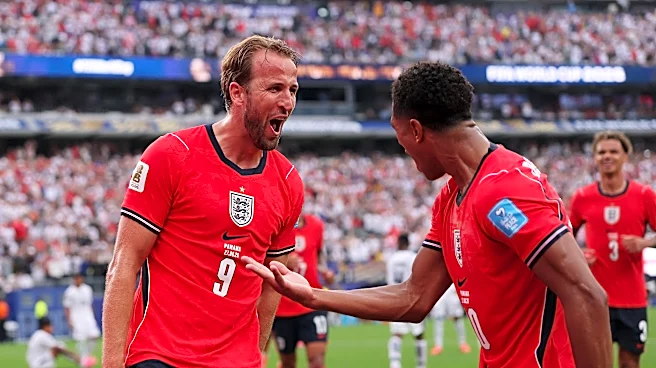
The structure of a knockout tournament is designed for maximum emotional impact. The four-year wait, the compressed schedule, and the sudden-death nature of the final rounds build a massive amount of collective tension. This shared emotional journey creates what sociologist Émile Durkheim called "collective effervescence"—a feeling of intense energy and unity that large groups experience during a shared event. The emotions become contagious, spreading through stadiums, sports bars, and living rooms. The final whistle doesn't just signal a win; it uncorks this pent-up psychological pressure, resulting in an explosive and cathartic release of joy, relief, and communal ecstasy.