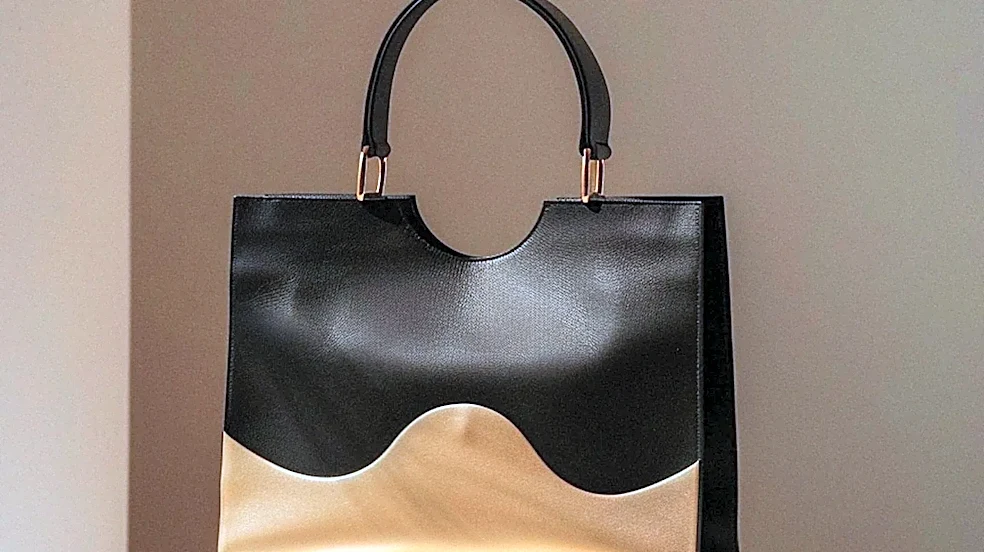








It All Starts with the Artist
First and foremost, the artist's stature is paramount. A design's journey to collectible status almost always begins with an artist who already has significant cultural cachet and a strong market presence. When a celebrated artist like Yayoi Kusama or Richard
Prince lends their vision to a luxury house, they’re not just providing a pattern; they’re infusing the object with their artistic DNA. The handbag becomes a mobile extension of their body of work. For example, Louis Vuitton’s collaborations with Kusama leveraged her world-renowned pumpkin and polka-dot motifs, turning bags into wearable sculptures that were instantly recognizable to art aficionados and fashion lovers alike. The bag acts as a canvas, and the artist's signature is the seal of authenticity and initial value. An unknown artist might create a beautiful bag, but a famous one creates a piece of portable art history.
The Power of Calculated Scarcity
You can’t just walk into a store and buy a legend. Rarity is a critical ingredient in the alchemy of a collectible. Luxury brands masterfully control the supply of these special editions, often producing them in extremely limited, numbered runs for a single season. This 'calculated cultural scarcity' ensures that from the moment of release, the bag is positioned as a rare object. The demand far outstrips the supply, creating a sense of urgency and exclusivity. This isn’t about marketing gimmicks like fake waitlists; it’s about genuine production limits that make the item inherently difficult to acquire. Once the collection is sold out, it’s gone from primary retail forever, immediately fueling a robust secondary market where collectors hunt for these now-historic pieces.
The Brand and the Canvas
The collaboration is a two-way street. The luxury brand's own prestige and the iconic nature of the bag itself are just as important as the artist. A masterpiece needs a worthy canvas. Houses like Louis Vuitton, Dior, and Hermès use their most classic and recognizable silhouettes—like the LV Capucines, the Lady Dior, or the Kelly—for these projects. The familiar shape provides a foundation of timelessness, while the artist’s work offers a radical, fresh interpretation. The Dior Lady Art project, for instance, invites different artists each year to reinterpret the iconic Lady Dior bag, a handbag that already carries its own legacy. This fusion of a classic 'canvas' with a contemporary artistic vision is what creates a powerful and desirable object that feels both timeless and of-the-moment.
The Final Test: The Auction Block
Ultimately, an artist-designed bag cements its status as a collectible when it performs on the secondary market, specifically at major auction houses like Christie's and Sotheby's. This is where cultural value is translated into hard currency. When collectors are willing to pay sums far exceeding the original retail price, the market has spoken. For instance, in September 2024, a Louis Vuitton x Yayoi Kusama Pumpkin Bag sold at a Christie's auction for a staggering $151,200, more than ten times its original estimate. This sale not only set a world record for any Louis Vuitton handbag at auction but also served as the definitive statement of the bag’s collectible status. These auction results create a feedback loop, further solidifying the bag’s place as a legitimate investment asset, not just a fashion accessory.