


The Power of What You Don’t See
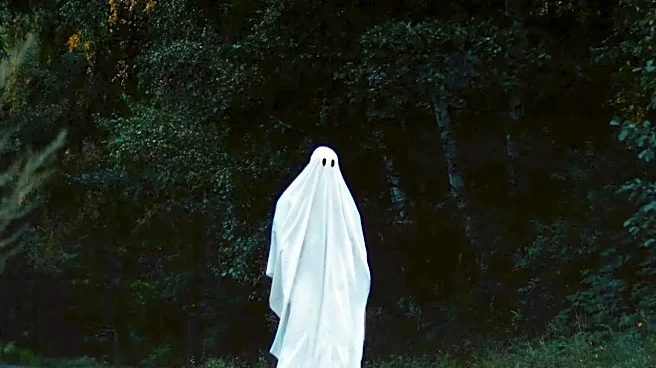
The golden rule of atmospheric horror is that imagination is always more terrifying than anything a special effects team can create. Shows like Mike Flanagan's "The Haunting of Hill House" have mastered this, peppering the backgrounds of scenes with subtle,
almost unnoticeable figures. By the time you realize a ghost has been in the frame the whole time, the sense of unease has already set in. This technique plays on our brain's tendency to find patterns, making the audience scan every dark corner and shadowy hallway. It’s not about the jump scare of a monster leaping out; it’s the slow-dawning realization that the characters have been in danger all along. This approach withholds the monster, forcing viewers to fill in the terrifying blanks themselves, a classic technique for building suspense.
Sound as a Psychological Weapon
In a ghost story, silence is often louder than a scream. The most effective atmospheric horror uses sound design to create a sense of dread. Think of the unnatural quiet of a haunted house, broken only by a single, unexplainable floorboard creak. Creators use this contrast to put the audience on edge. Complete silence after a period of ambient noise can make viewers hold their breath in anticipation. It’s a tool used to manipulate the audience's emotional state, building tension note by note—or by the deliberate absence of notes. A distant, muffled sound or an unnervingly calm score when something terrible is happening creates a deep psychological discomfort that a loud, startling sound effect could never achieve.
Turning Location Into a Character
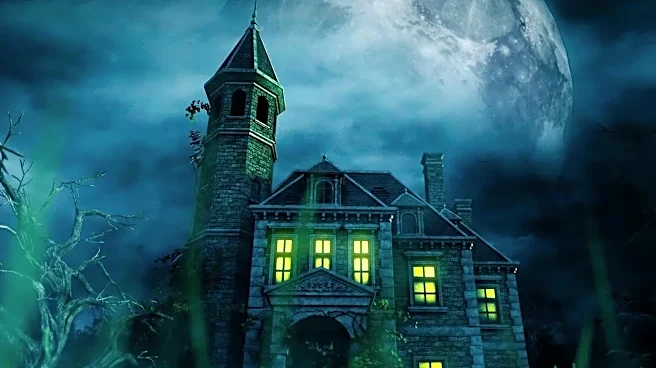
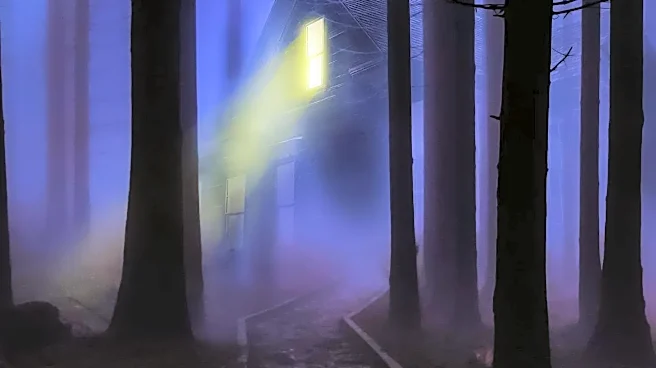
The setting in a great ghost story is never just a backdrop; it's an active participant in the horror. Hill House itself is a predator, a living entity with a malevolent will. Shirley Jackson's original novel described the house with a sense of architectural wrongness—angles that are slightly off, creating a constant feeling of disorientation. Flanagan’s series visualizes this by turning the house into a maze of both physical and emotional traps. The same can be said for the isolated community in "Midnight Mass" or the remote town in "From." These settings create a feeling of claustrophobia and helplessness, making the characters—and the audience—feel as if there is no escape. The horror comes not just from a ghost, but from being trapped within the ghost's domain.
When the Haunting Is Internal
Modern television horror, especially the work of creators like Mike Flanagan, often uses supernatural events as metaphors for human trauma. The ghosts of Hill House are manifestations of the Crain family's grief, guilt, addiction, and mental illness. The horror isn't just that a ghost is chasing them; it's that they can't escape the ghosts they carry inside themselves. This makes the story profoundly relatable and far more disturbing. By blurring the line between a supernatural haunting and a psychological breakdown, these shows make the audience question what is real. The terror is rooted in real-life horrors, which lingers because it taps into our own fears about loss, family dysfunction, and the fragility of our own minds.