


First Off, What Is a Trouser Break?
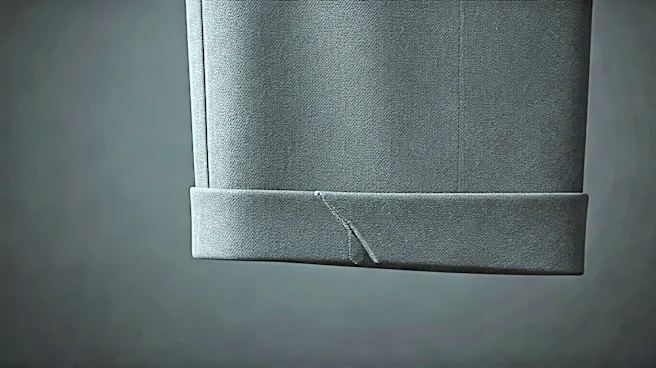
Simply put, the “break” is the horizontal fold or crease that forms in the fabric of your trousers where the hem meets your shoes. [5, 6] The amount of break is determined by the length of the pant leg and, crucially, its width. [2, 6] A longer, wider
pant will drape over the shoe differently than a shorter, tapered one. This seemingly minor detail is the difference between an outfit that looks intentional and one that appears sloppy or ill-fitting. [1] High-quality dress trousers are often sold unhemmed, with the expectation that the owner will have them tailored to their precise, preferred break. [1]
The 'No Break' Camp: Clean, Crisp, and Contemporary
The most modern and, for some, aggressive choice is the “no break.” Here, the trouser hem just skims or kisses the top of the shoe, creating a clean, uninterrupted line from the thigh down. [2, 3] This style became prominent with the rise of slim-fit and tapered trousers, as the narrow leg opening prevents the fabric from draping over the shoe. [3] Proponents argue it provides a sharp, minimalist aesthetic that’s perfect for showing off statement footwear. [5] It's often favored by younger, slimmer men and is seen as a fashion-forward choice. [3, 4] The risk? Hem them just a fraction too short, and it can look like you’ve outgrown your pants. [5]
The 'Full Break' Camp: Traditional and Assured
At the opposite end of the spectrum is the “full break.” This is a more traditional and conservative look where there's a generous amount of fabric resting on the shoe, creating at least one deep, full fold. [1, 4] This style is best suited for trousers with a wider leg opening, which allows the fabric to drape properly without bunching awkwardly. [2] Advocates for the full break see it as a sign of classic elegance, often associated with a more mature, old-school aesthetic. [4, 6] It’s a look that can add a sense of weight and proportion, particularly for taller men, but it's a fine line—too much fabric can quickly look messy and unkempt. [1]
The Middle Ground: Quarter and Half Breaks
For many, the perfect solution lies in compromise. The “half break” or “medium break” is the traditional safe harbor, a single, slight fold that’s conservative without being stuffy. [1, 4] It's versatile, works with most body types and trouser styles, and is considered the standard for business and formal wear. [13] A step more modern is the “quarter break” (or “slight break”), where the hem rests just lightly on the shoe with a minimal crease. [13, 15] It offers a clean look that hints at modern trends without fully committing to the severity of a no-break pant, making it a popular choice for the modern professional. [6, 13]
Why the Argument Is About More Than a Fold
The debate persists because the trouser break isn't just about length; it's a proxy for bigger ideas. The choice reflects a man’s relationship with trends, tradition, and formality. A no-break trouser can signal an alignment with modern, European-influenced fashion, while a full break might suggest an appreciation for classic American or British tailoring. [3, 4] It’s a subtle code. The argument is also about proportion and context. A full break on a skinny jean looks disastrous, while a no-break on a wide, pleated flannel pant can look equally strange. [2] The perfect break depends on the man, the trousers, the shoes, and the occasion, creating an endless matrix of variables for menswear fans to dissect.