


It Embraces the Beautiful Mess
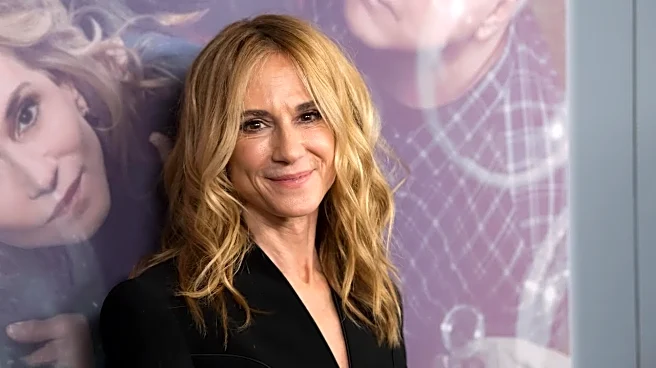
Most holiday films aim for Norman Rockwell; 'Home for the Holidays' aims for reality. The plot follows Claudia Larson (Holly Hunter), a single mom who, after losing her job, must fly home to Baltimore for Thanksgiving. Her trip begins with a cascade of
minor disasters, and it only gets more complicated from there. This isn't a movie about a picture-perfect turkey or heartwarming platitudes. It’s about intrusive questions from your mother, navigating old sibling rivalries, and the sheer exhaustion of being 'on' for 72 straight hours. The film understands that Thanksgiving isn't just a meal; it's an emotional pressure cooker where years of love, resentment, and shared history bubble to the surface. The disastrous dinner scene, which reportedly took ten days to film, is a masterclass in controlled chaos, complete with a spilled turkey and flared tempers that feel painfully, hilariously authentic.
A Cast That Feels Like Your Actual Family
The film's staying power rests on its flawless ensemble cast, who feel less like actors and more like people you are actually related to. Holly Hunter is the perfect anchor as the beleaguered Claudia, trying to keep it together while her life unravels. Anne Bancroft and Charles Durning are achingly real as her parents, Adele and Henry—loving, meddling, and set in their ways. But it's Robert Downey Jr., as Claudia's gay brother Tommy, who steals the show. Arriving with his 'friend' Leo Fish (Dylan McDermott), Tommy is the family's charmingly chaotic truth-teller, puncturing tension with a joke one minute and escalating it the next. His dynamic with their conservative sister Joanne (Cynthia Stevenson) creates a friction that is instantly recognizable to anyone with siblings on opposite ends of the spectrum. These aren't caricatures; they're finely drawn portraits of the people we love and who drive us crazy, sometimes in the same breath.
The Unspoken Truths of Coming Home
Beyond the comedy, 'Home for the Holidays' taps into a deeper, more poignant truth about family: the strange regression that happens when you walk back into your childhood home. You can be a successful adult with a life of your own, but one offhand comment from a parent can make you feel like a teenager again. The film explores this with a gentle, knowing touch. It understands the pressure to present a perfect life progress report, even when things are falling apart. It also captures the bittersweet nostalgia of it all—the quiet moments, like a father watching old home movies, that hold more weight than the loud arguments. These scenes reveal the deep, often unspoken, love that holds the messy Larson family together, suggesting that this annual ritual is about more than just turkey; it's about reconnecting with the people who knew you first.
Why It's More Than Just a Thanksgiving Movie
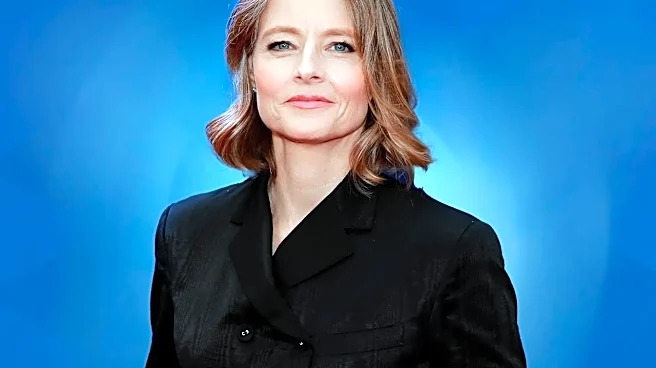
While 'Planes, Trains and Automobiles' is the undisputed king of the Thanksgiving travelogue, 'Home for the Holidays' is the definitive film about what happens once you actually arrive. It had a modest box office run and mixed reviews upon its 1995 release, but it has since earned a devoted cult following precisely because it dares to be honest. It acknowledges that families are complicated, that holidays can be lonely even in a crowded room, and that love isn't always expressed in tidy speeches. Director Jodie Foster expertly balances the humor with the heartache, creating a film that is both a comedy of errors and a moving drama about acceptance. The film’s closing montage, a series of quiet, happy memories for each character, reinforces the ultimate theme: despite the chaos, the connection is what endures.