



The Superman Problem: Lore as History
Let’s be honest: for most audiences, Krypton is a collection of trivia. It’s the place with the crystals, the red sun, and the stubborn council members who ignored Jor-El’s warnings. For Superman, who arrived on Earth as an infant, Krypton is a story
he was told, a legacy he inherited. He learns about his heritage the same way we do—through holographic recordings, historical artifacts, and the occasional angry uncle showing up to terraform the planet. It’s fascinating backstory, but it’s fundamentally exposition. This can lead to what fans call “continuity homework,” where understanding the plot requires you to study a fictional planet’s political structure and family trees. General Zod’s motivations, for example, are often rooted in a complex Kryptonian caste system that needs to be explained, re-explained, and then probably explained again.
Kara’s Edge: Lore as Memory
Supergirl, Kara Zor-El, offers a brilliant solution to this problem. In most classic tellings of her origin, she wasn't a baby when she left Krypton. She was a teenager, old enough to have friends, go to school, and live a life. She was tasked with protecting her infant cousin, Kal-El, but her ship was knocked off course, trapping her in suspended animation while he grew up on Earth. When she finally arrives, she’s still a teenager, but her baby cousin is now a grown man—the most famous person on the planet. This single narrative twist changes everything. For Kara, Krypton isn’t a Wikipedia entry. It’s home. She remembers the smell of the air, the faces of her parents, and the terror of its destruction. The lore isn’t something she studies; it's something she lived and lost. This shifts the entire dynamic from a history lesson to a ghost story.
From Exposition to Emotion
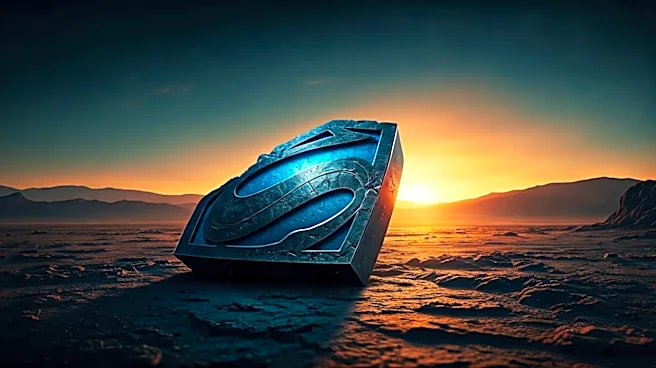
This is where character drama eclipses continuity. Instead of explaining what the “S” shield of the House of El means, a story can explore what it feels like for Kara to wear a family crest when she’s the only one left who truly remembers that family. Every piece of Kryptonian lore becomes a potential emotional trigger. A mention of Argo City isn't just a geographical footnote; it's her hometown, now floating in the cold void of space. A Kryptonian sunstone isn't just a sci-fi gadget; it might contain the last recording of her mother's voice. This approach frames Supergirl as a survivor and a refugee in a way Superman can never be. She is fundamentally a character grappling with trauma, displacement, and a profound sense of loneliness. She is a stranger in a strange land, watching a world that barely knows her history celebrate a symbol of a home she desperately misses. That’s infinitely more compelling than a lecture on Kryptonian science.
The Woman of Tomorrow Blueprint
Thankfully, the blueprint for this already exists and is the stated source material for her upcoming DC Universe film: Tom King and Bilquis Evely’s comic series, *Supergirl: Woman of Tomorrow*. That story leans hard into this concept. It portrays a Kara who has seen too much, a young woman hardened by loss who channels her grief and rage into a cosmic quest for justice. It barely bothers with the minutiae of Kryptonian society. Instead, it focuses on the psychological weight of being the *last* one. She’s not just “Superman’s cousin”; she’s a person defined by a tragedy her cousin can only read about. By embracing this angle, the new film can sidestep the trap of feeling like a retread of a Superman story. It can give us a hero whose greatest power isn’t flight or heat vision, but the resilience to build a future after losing her past.