





A Moment 32 Years in the Making
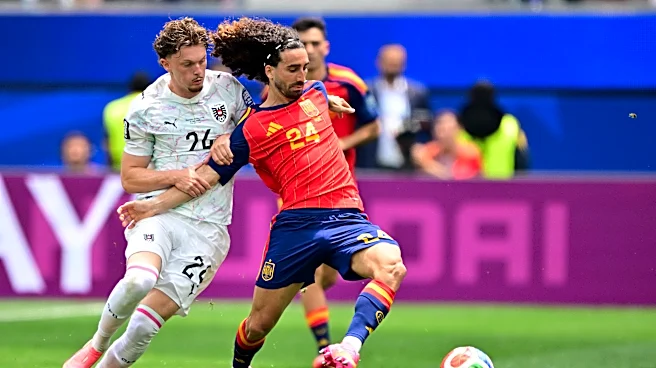
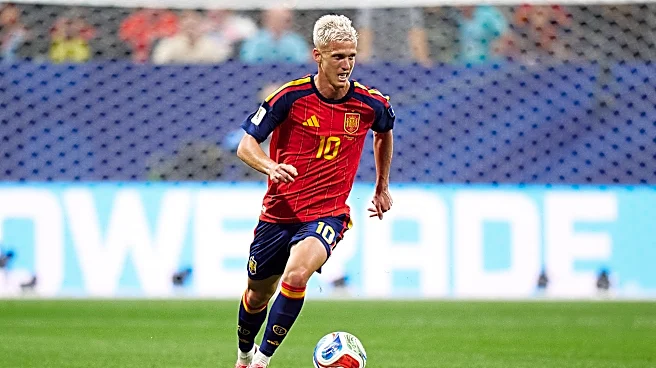
It wasn't just a game; it was a declaration. When the United States kicked off against Paraguay, it was the culmination of decades of growth and the first men's World Cup match on home soil since 1994. The pre-game pageantry, featuring a parade of flags
from all 48 participating nations and headline performances from global music stars, set a spectacular tone befitting the world's entertainment capital. The sell-out crowd of over 70,000, a sea of red, white, and blue, was a mix of lifelong fans and new converts, all swept up in the historic moment. The dominant 4-1 victory for the U.S. was the perfect result, sending the crowd into a frenzy and setting a high-water mark for a tournament that had been years in the making.
The Cathedral Gets Its Global Coronation
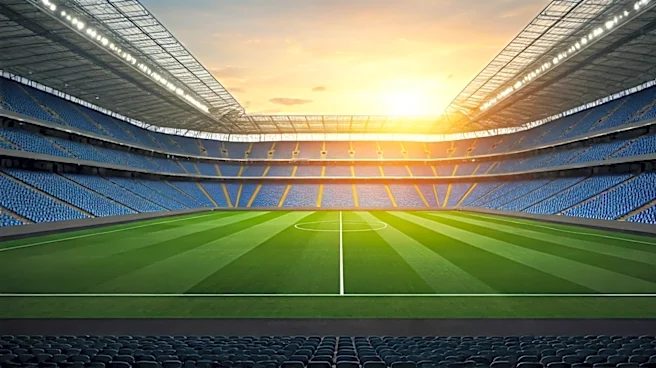
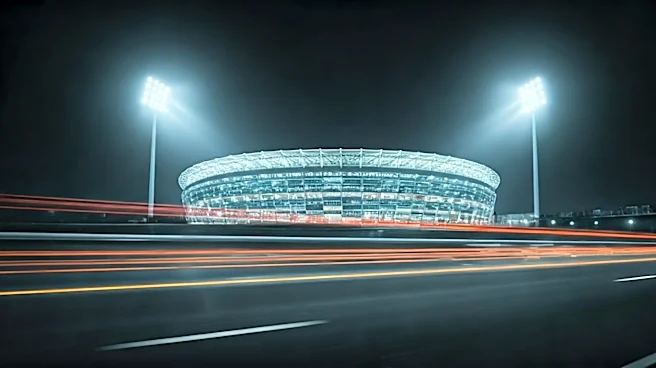
Built as a monument to American football, the multi-billion dollar arena in Inglewood had to shed its corporate name, SoFi Stadium, to become simply "Los Angeles Stadium" for the tournament, per FIFA rules. Yet, the temporary name change only highlighted its transformation. On June 12, the high-tech venue famous for hosting Super Bowls became the epicenter of the world's game. From the massive wrap-around infinity screen to the natural grass pitch specially installed for the tournament, the stadium itself was a central character in the day's drama. It proved it could deliver an unparalleled experience not just for the NFL, but for a global soccer audience, cementing its status as one of the world's premier sporting venues.
Los Angeles' Soccer Soul on Full Display
The energy wasn't confined to the stadium walls. Hours before kickoff, the streets of Inglewood were alive with fans from all walks of life. Los Angeles is not a city just discovering soccer; it is a region with a deep and diverse history with the sport, from the legacy of the 1994 World Cup final at the Rose Bowl to the passionate fanbases of the LA Galaxy and LAFC. The opener was a showcase of this rich culture, a melting pot of American Outlaws, youth soccer families, and the city’s vibrant international communities all celebrating together. Fan festivals and watch parties across the region drew hundreds of thousands, demonstrating that the appetite for soccer goes far beyond the 70,000 ticket holders inside the stadium.
The Legacy Beyond the Final Whistle
So, what did that one day of electric energy ultimately define? The full impact will unfold over years, but the immediate effect was clear. The U.S. opener wasn't just a sporting event; it was a massive cultural moment that captured the nation's attention. For Los Angeles Stadium, it was a successful audition for a future as a go-to venue for major international soccer, with more World Cup knockout matches and the 2028 Olympics on the horizon. For soccer in the United States, the energy of that night provided a powerful launchpad, fueling a summer of excitement and suggesting that the sport's long-held promise of breaking into the top tier of American consciousness was finally being realized.