






1. Look for a Structured Collar
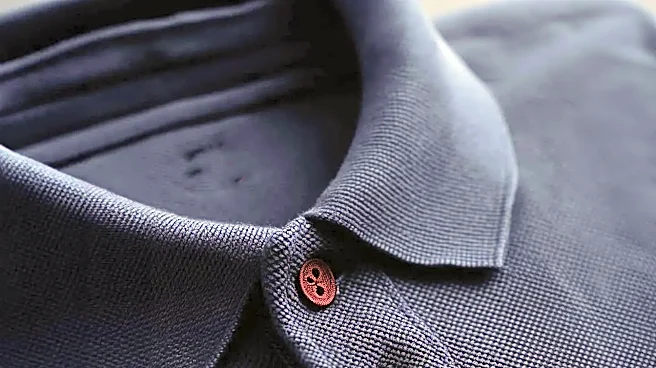
The collar is the first part of a polo to fail. A cheap, flimsy collar will curl, flatten, and look sloppy after just a few washes. A quality polo often has a collar made of a firmer knit fabric or one constructed with multiple layers, helping it stand
up and hold its shape. Avoid collars made from the same thin material as the shirt body, as they lack the structure to look crisp.
2. Check for a Reinforced Placket
The placket—the strip of fabric where the buttons are—provides the shirt's front structure. On a cheap polo, this area is often just a simple cut and fold. A well-made polo features a reinforced placket, often with an extra layer of fabric called interfacing sewn inside. This prevents the front from buckling or looking flimsy and provides a stable base for the buttons.
3. Squeeze the Buttons
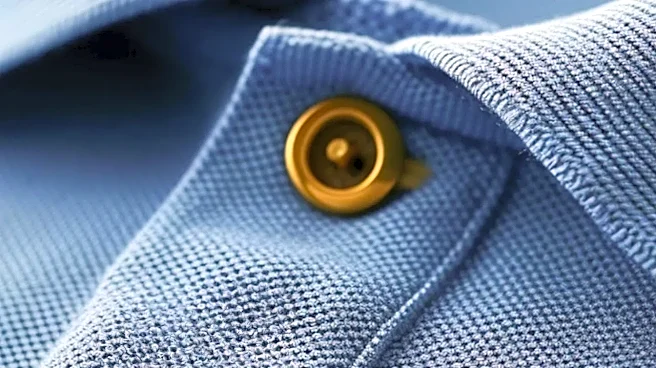
The buttons are a small but significant indicator of quality. Inexpensive polos use thin, brittle plastic buttons that can easily crack in the wash or under a hot iron. Premium polos often feature more durable options, such as mother-of-pearl or thick, high-density plastic. They should feel substantial and be attached securely.
4. Inspect the Buttonholes
Take a close look at the stitching around the buttonholes. On a low-quality shirt, you’ll often see loose threads, uneven stitching, or signs of fraying. A well-constructed polo has neat, dense, and clean buttonholes that are built to withstand repeated use without stretching or tearing. This small detail signals that the manufacturer didn't cut corners.
5. Verify Placket Symmetry
Lay the polo flat and check if the placket is perfectly straight and symmetrical. A poorly made placket may twist, ripple, or sit off-center, which becomes more obvious when the shirt is worn. The stitching on both sides should be parallel and even, creating a clean, vertical line down the front of the shirt.
6. Examine the Topstitching
The visible stitching along the edges of the collar and placket, known as topstitching, should be straight, consistent, and even. Wavy or inconsistent stitches suggest a rushed manufacturing process. On better polos, you'll see clean lines with no loose loops or snags, which contributes to both the shirt’s durability and its polished appearance.
7. Look for Placket Base Reinforcement
The bottom of the placket is a major stress point. A quality polo will have a small box or triangle of reinforcement stitching where the placket ends. This simple addition helps prevent the fabric from tearing when you pull the shirt on or off. Cheaper polos often skip this step, leaving a weak point that can easily fail over time.
8. Feel the Collar's Seam
Turn the collar up and run your finger along the seam where it joins the body of the shirt. In many higher-end polos, this seam is taped or covered with a soft piece of fabric. This not only reinforces the seam but also prevents chafing, making the shirt more comfortable to wear, especially during physical activity.
9. Assess the Collar's Ability to 'Roll'
A great polo collar has a natural tendency to roll into a gentle curve rather than sitting flat or creasing sharply. This gives it a much better appearance around the neck. Before buying, try folding the collar; it should spring back into a soft roll. If it creates a hard crease or feels lifeless and flat, it will likely look limp and tired after a few wears.
10. Check the Number of Buttons
While not a definitive rule, the number of buttons can hint at the shirt's intended style. Most classic men's tennis and golf polos use a two- or three-button placket. This proportion generally creates a balanced look that works well whether buttoned or unbuttoned. Four or more buttons can sometimes create a deeper, more fashion-forward V-neck that may not be ideal for a traditional athletic look.