

1. Treat the First Song Like an Audition
You don’t have time for a slow burn. While a headliner can build momentum over several songs, a short set demands an immediate hook. The first 10-15 minutes aren't just a warm-up; they are your entire sales pitch to a crowd that may not know you. Start
with a song that’s instantly engaging, high-energy, and clearly establishes your sound. This isn't the moment for your experimental B-side. Grab the audience's attention from the first chord and don't let go. Think of it as starting on chapter three of your story, right where the action begins.
2. Eliminate the Dead Air
The single fastest way to kill the energy you've built is awkward silence between songs. In a short set, every second counts. Plan your transitions meticulously. This could mean having a band member play a solo while another tunes or switches instruments. Even better, create seamless segues where one song flows directly into the next, especially if they share a similar key or tempo. If you must speak, keep it tight. A quick, scripted "How are you feeling, [Festival Name]?" is more effective than a rambling story. The goal is to create a continuous musical experience that feels like a single, powerful statement.
3. Engineer One Unforgettable Moment
People don't remember every song in a set; they remember the peak moments. Instead of just playing a list of songs, you need to create a narrative arc with a distinct climax. This could be a powerful, stripped-down acoustic song that provides a sudden dynamic shift, a surprise cover of a beloved classic done in your own style, or a moment of intense audience participation. Whatever it is, it should be a planned, theatrical peak that feels special and unique to your performance. This single, memorable event can elevate the entire set in the audience's memory, making it feel more significant than its runtime.
4. Weaponize Your Visuals
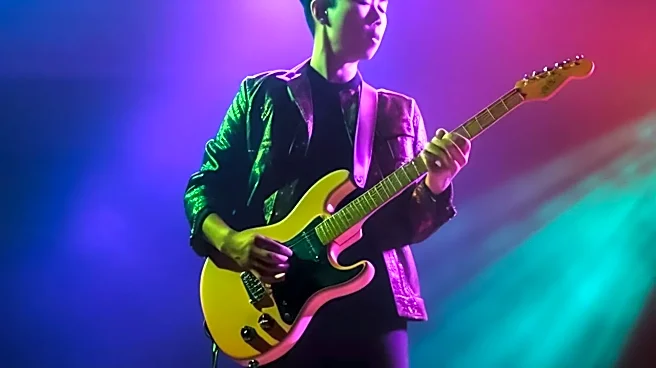
On a massive festival stage, your visual presence is just as important as your sound. You are competing with countless other distractions, so you need to be visually compelling from a distance. This doesn't require a massive budget. Coordinated outfits, a unique stage persona, or even a simple, striking backdrop can make you stand out. Think about how your look communicates your musical identity. Are you vibrant and energetic? Are you dark and moody? Let your aesthetic be an extension of your music. A strong visual identity ensures that even people at the back of the crowd feel connected to your performance.
5. Craft a Mini-Story Setlist
A great setlist is not just a collection of your best tracks; it's a story with a beginning, middle, and end. For a short set, this is even more critical. A proven structure is to open with high energy, introduce a slight dip or a 'breather' song in the middle to create contrast and let the audience catch their breath, and then build to an even bigger peak before the final song. This U-shaped energy curve keeps the audience engaged and avoids monotony. Avoid placing too many songs in the same key or tempo back-to-back, which can make the set feel flat.
6. Interact with Intention
While you shouldn't waste time with long, rambling stories, a complete lack of interaction can feel alienating. The key is to make your crowd work feel intentional and efficient. Address the audience by name, call out a specific sign you see in the crowd, or give a brief, heartfelt thank you to the festival for having you. These small moments create a sense of connection and show that you're present and engaged with them. Instead of generic stage banter, plan two or three specific points in the set where a quick, direct interaction will have the most impact.
7. End Strong and Get Off the Stage
The 'peak-end rule' in psychology suggests people judge an experience based on its peak and its end. Your final song is your last chance to make an impression, so make it count. Choose a powerful, conclusive track that represents the absolute best of what you do. And once it’s over, resist the temptation to linger. A clean, confident exit that leaves the audience wanting more is far more powerful than a drawn-out goodbye. By finishing on an absolute high and then disappearing, you create a sense of longing and ensure they remember the peak, not a fizzled-out ending.